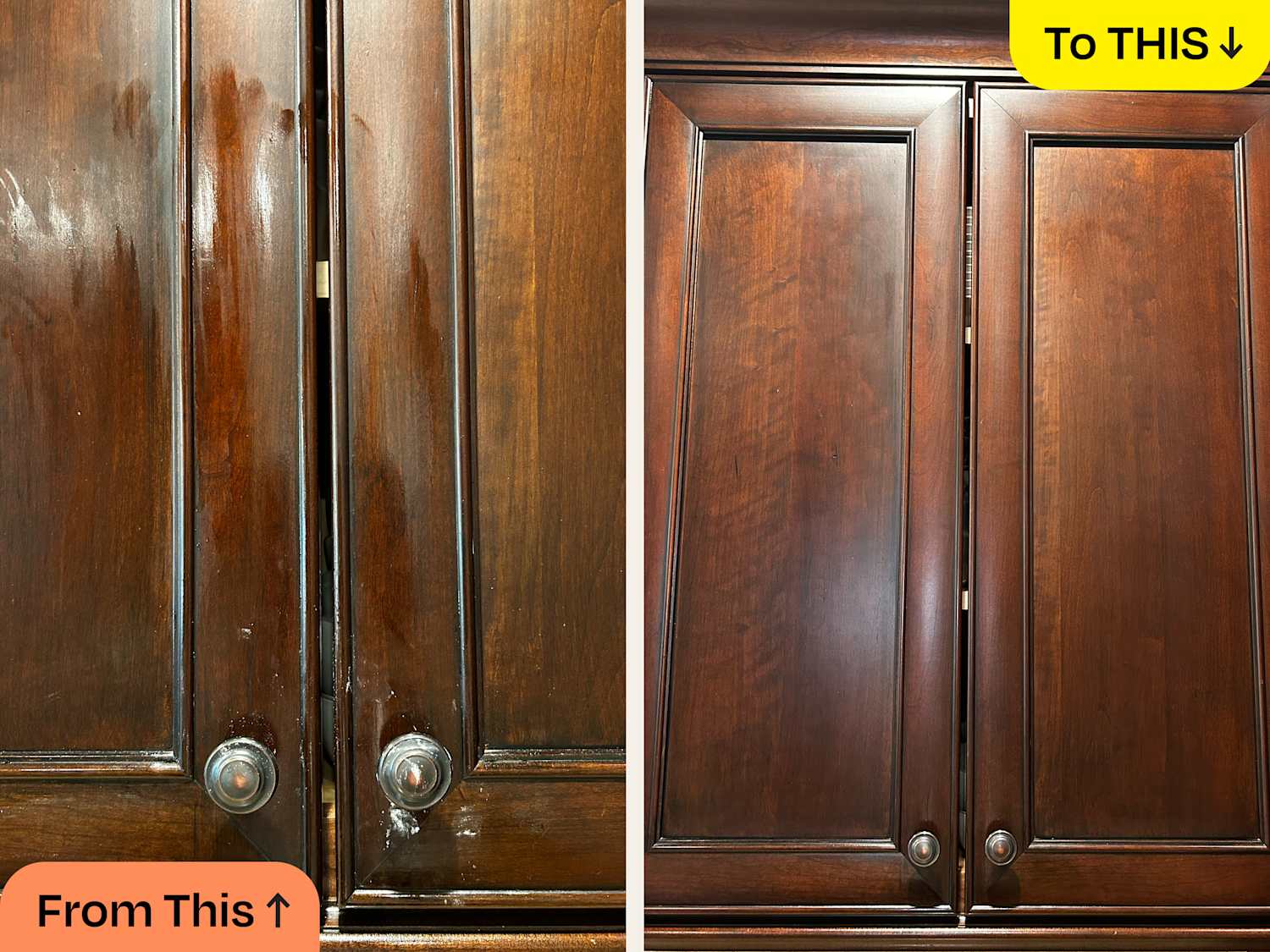
Grease buildup on your kitchen cabinets can make your whole kitchen look dull and dirty, even if you clean regularly. You want your cabinets to shine and feel fresh, but stubborn grease just won’t budge.
What if you could easily cut through that grease without harsh chemicals or endless scrubbing? You’ll discover simple, effective ways to remove grease from your kitchen cabinets so they look spotless again. Keep reading—you’ll learn the tricks that make cleaning faster and your kitchen sparkle like new.
Common Grease Causes
Cooking residueoften leaves sticky grease on kitchen cabinets. Oils and fats released during frying and sautéing float in the air. These tiny particles settle on cabinet surfaces, creating a greasy film that is hard to clean.
Airborne particleslike smoke, steam, and dust mix with kitchen grease. They cling to cabinets over time, making surfaces look dull and dirty. This buildup can cause cabinets to feel sticky or greasy to touch.
Touch and handlingspread grease from hands. Cooking often leaves oil on fingers. When you open and close cabinets, grease transfers to the handles and doors. This adds to the greasy layer and makes cabinets look grimy.

Credit: www.aol.com
Effective Cleaning Agents
Vinegar solutionsbreak down grease quickly. Mix equal parts of white vinegar and water in a spray bottle. Spray on cabinets and wipe with a soft cloth. The acid in vinegar cuts through oily residue easily.
Baking soda pasteis gentle and effective. Combine baking soda with a little water to form a paste. Apply it to greasy spots, let it sit for a few minutes, then scrub lightly with a sponge. Rinse with clean water.
Dish soap mixtureswork well on fresh grease. Mix a few drops of dish soap in warm water. Use a sponge or cloth to clean the cabinets. Soap breaks down oils and lifts dirt away without damaging surfaces.
Commercial degreasersare strong cleaners for tough grease. Choose a product safe for kitchen cabinets. Follow the instructions on the label carefully. These sprays or liquids dissolve grease quickly but may require rinsing afterward.
Natural Grease Removers
Lemon juiceis a natural cleaner that cuts through grease easily. Its acidity breaks down oily residues on kitchen cabinets. Use fresh lemon juice mixed with water for wiping surfaces. It also leaves a fresh scent behind.
Castile soapis gentle yet effective. This soap dissolves grease without harsh chemicals. Mix a few drops with warm water, then wipe your cabinets with a soft cloth. It cleans well and is safe for most surfaces.
Essential oilslike tea tree or eucalyptus add cleaning power and a nice smell. Add a few drops to water or castile soap solutions. These oils have natural antibacterial properties that help keep cabinets clean and fresh.

Credit: www.reddit.com
Cleaning Techniques
Test a small hidden spot on the cabinet before cleaning. This prevents damageto the finish or color. Use a gentle cleaner and wait a few minutes. Check if any discoloration or damage appears.
Use a soft clothto avoid scratches. Microfiber cloths work best for wiping grease gently. Avoid rough sponges or abrasive materials that can harm the surface.
For tough grease, scrub lightly with a soft brush or sponge. Use circular motions to lift dirt without scratching. Avoid hard scrubbing that may strip paint or varnish.
Rinse the area with a clean, damp cloth to remove cleaner residue. Dry the surface immediately with a dry cloth. This stops water marks and keeps cabinets shiny.
Preventing Grease Build-up
Regular wiping helps stop grease from building up on cabinets. Use a soft cloth and mild soap. Wipe cabinets after cooking to remove fresh grease. This keeps surfaces clean and shiny.
Proper ventilation helps reduce grease in the kitchen air. Use exhaust fans or open windows while cooking. This lowers the amount of grease that can settle on cabinets.
Protective coatings can make cabinets easier to clean. Apply a clear sealant or wax to cabinet surfaces. These coatings create a barrier that stops grease from sticking tightly.
When To Call Professionals
Stubborn grease stains may not come off with regular cleaning. These stains often need special tools or chemicals. Professionals have the right products and skills for tough grease removal. They can clean without harming your cabinets.
Cabinet materials like wood, laminate, or painted surfaces need different care. Using the wrong cleaner can cause damage. Experts know how to treat each type safely. This helps keep your cabinets looking new for longer.
Safety is key when using strong cleaners. Some products can irritate skin or eyes. Professionals use protective gear and proper ventilation. This protects both your home and their health during cleaning.

Credit: jimscleaning.co.nz
Frequently Asked Questions
What Household Items Cut Grease On Kitchen Cabinets?
Common household items like vinegar, baking soda, and dish soap effectively cut grease on kitchen cabinets. These ingredients break down oily residues without damaging surfaces. Using a soft cloth with these solutions helps clean cabinets safely and restores their shine.
How Does Vinegar Remove Grease From Cabinets?
Vinegar’s acidity breaks down grease molecules, making it easier to wipe away. It’s a natural, non-toxic cleaner that cuts through stubborn kitchen grime. Mixing vinegar with water creates an effective spray for regular cabinet cleaning.
Can Baking Soda Clean Greasy Kitchen Cabinets?
Yes, baking soda gently scrubs away grease without scratching cabinet surfaces. Its mild abrasive quality lifts grime and deodorizes. Mix baking soda with water to form a paste, apply it, then wipe clean with a damp cloth.
Is Dish Soap Effective For Cutting Cabinet Grease?
Dish soap is designed to dissolve grease, making it ideal for kitchen cabinets. It emulsifies oily residues for easy removal. Dilute dish soap in warm water, then use a sponge to clean greasy spots gently.
Conclusion
Grease on kitchen cabinets can be tough to remove. Using simple household items like vinegar, baking soda, or dish soap works well. Regular cleaning stops grease buildup and keeps cabinets fresh. Avoid harsh chemicals that may damage surfaces. Wipe cabinets gently with a soft cloth for best results.
Clean cabinets often to save time and effort later. A clean kitchen feels nicer and looks brighter. Small steps make a big difference in your kitchen’s cleanliness.