Are you ready to take control of your kitchen plumbing and save money on costly repairs? Installing kitchen drain pipes might sound tricky, but with the right steps, you can do it yourself with confidence.
Imagine the satisfaction of fixing your kitchen drain without waiting for a plumber or paying high fees. In this guide, you’ll discover simple, clear instructions that anyone can follow. By the end, you’ll know exactly how to install your kitchen drain pipes properly, avoiding leaks and clogs.
Keep reading, and turn your kitchen into a smoothly running space with your own hands!
Credit: avorenovations.co.uk
Tools And Materials Needed
Essential tools include a pipe wrench, adjustable wrench, and pliers. A hacksaw or pipe cutter is needed to cut pipes. A tape measure helps ensure accurate lengths. A screwdriver is useful for securing clamps and fittings. A bucket and rags help clean spills and leaks.
| Pipe Types | Fittings |
|---|---|
| PVC (common and lightweight) | Elbows, tees, couplings |
| ABS (durable and rigid) | Adapters, traps, connectors |
| Copper (long-lasting but costly) | Compression fittings, soldered joints |
Use pipe joint compound or Teflon tape for sealing threads. PVC cement and primer secure plastic pipe joints. Make sure to apply sealants evenly for a strong bond. Allow drying time before testing the pipes.
Preparing The Work Area
Shutting off the water supplyis the first task. This stops water flow and prevents leaks. Locate the main valve under the sink or near the water meter. Turn it clockwise until tight. Double-check by opening the faucet to see if water stops.
Clearing the under-sink spacemakes room for work. Remove items like cleaning supplies, trash bins, and stored tools. Wipe the area to keep it clean and dry. A tidy space helps avoid accidents and makes installation easier.
Gathering safety gearprotects you during installation. Use gloves to guard hands from sharp pipes. Safety glasses keep dust and debris out of your eyes. Wear old clothes to avoid stains or damage. Safety is key for a smooth job.
Removing Old Drain Pipes
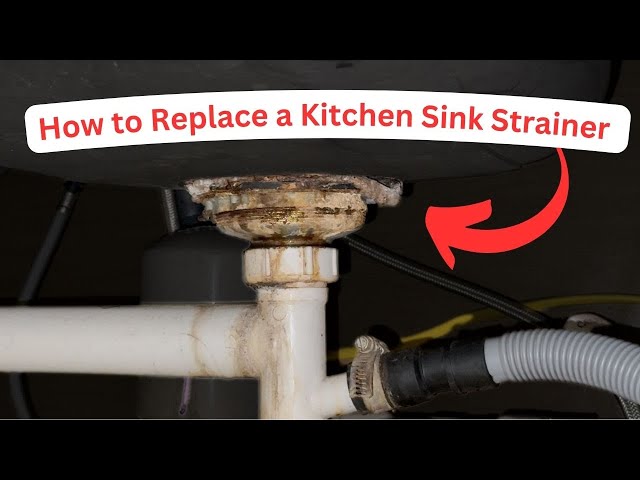
Start by turning off the water supply below the sink. Use a wrench to loosen the slip nuts connecting the drain pipes. Carefully detach the old pipes from the sink drain and wall outlet. Keep a bucket handy to catch any water left in the pipes.
Remove all old pipe pieces and clean the area around the connection points. Use a cloth or brush to clear away dirt and old plumber’s putty. This helps the new pipes fit tightly and prevents leaks.
- Check for any damage or corrosion at connection points.
- Make sure surfaces are dry before attaching new pipes.
- Remove any debris or buildup that could block the drain.
Measuring And Cutting Pipes
Measure the pipe length carefully before cutting. Use a tape measure for accuracy. Mark the pipe with a pencil or marker at the right spot.
Double-check your measurement. It helps avoid mistakes and waste.
- Use a pipe cutter or saw made for the pipe material.
- Cut slowly and steadily to get a clean edge.
- Remove any burrs or sharp edges with sandpaper or a file.
- Check the cut piece fits well with other parts.
Assembling Drain Pipes
To fit pipe sections, make sure each piece is clean and dry. Push pipes firmly together. Use the correct pipe size to avoid leaks. Align pipes so water flows smoothly without blockages. Test the fit by gently pulling the pipes apart to check for a tight connection.
Applying sealants helps stop leaks around joints. Use a small amount of plumber’s putty or silicone sealant on the pipe ends. Spread the sealant evenly for a better hold. Avoid using too much sealant, as it can block water flow or cause mess.
Secure connections with pipe clamps or slip nuts. Tighten nuts by hand first, then use a wrench for a snug fit. Do not over-tighten, or the pipes may crack. Check all connections after installation to ensure no water escapes.

Credit: www.reddit.com
Installing The Drain System
Start by connecting the drain pipe to the sink drain. Use a slip nut and washer to secure the pipe tightly. Make sure the connection is leak-proofby checking the seal.
Attach the other end of the pipe to the wall drain outlet. Align the pipe carefully to avoid stress or gaps. Use proper fittings to ensure a secure fitand prevent leaks.
Ensure the pipe has a proper slopefor water to flow easily. The slope should be about 1/4 inch per foot. This helps avoid clogs and standing water in the pipes.
Testing For Leaks
Check all pipe connections by running water through the drain. Watch carefully for any drips or wet spots. Fix leaks immediately to avoid water damage.
Running Water Through Pipes
Turn on the water slowly. Observe the pipes carefully. Watch for any drips or leaks. Use a flashlight if it’s dark under the sink. Listen for dripping sounds. These sounds can indicate leaks. Check all areas around the pipes. Pay attention to joints and connections.Inspecting Joints And Seals
Feel the joints with your hand. A wet joint may have a leak. Look for water droplets near the seals. Ensure all seals are tight and secure. Tighten any loose connections gently. Use a wrench if needed. Double-check all parts are dry. Recheck after a few minutes. Ensure no leaks have appeared. `
Credit: m.youtube.com
Troubleshooting Common Issues
Common problems during kitchen drain pipe installation include leaks, clogs, and poor alignment. Checking connections and ensuring proper slope often solves these issues quickly. Simple fixes prevent water damage and keep your kitchen draining smoothly.
Fixing Leaks
Leakscan be a big problem in the kitchen. To fix leaks, check the pipe connections. Use a wrench to tighten loose joints. Replace any worn-out washers and seals. Make sure the pipes are not cracked or broken. Apply plumber’s tape to threads for a better seal. If the leak continues, consider replacing the damaged pipe. Regular checks prevent bigger issues later.Adjusting Pipe Alignment
Proper pipe alignment is crucial. Misaligned pipes cause leaks. First, ensure pipes fit snugly. Adjust the angles carefully. Use brackets to hold pipes in place. Align pipes to avoid strain and pressure. If needed, remove and reattach pipes correctly. Ensure no gaps exist between connections. Correct alignment helps water flow smoothly. `Frequently Asked Questions
How Do I Install Kitchen Drain Pipes Step-by-step?
First, turn off the water supply. Measure and cut pipes accurately. Connect pipes using slip joint nuts. Secure pipes with brackets. Test for leaks by running water. Tighten fittings if needed. Follow local plumbing codes for best results.
What Tools Are Needed To Install Kitchen Drain Pipes?
You need a pipe cutter, wrench, plumber’s tape, slip joint pliers, and a bucket. Measuring tape and a level help ensure proper pipe alignment. Safety gloves and goggles protect during cutting and installation.
How Long Does It Take To Install Kitchen Drain Pipes?
Installation typically takes 2 to 4 hours. Time depends on pipe complexity and your skill level. Simple setups are quicker, while older plumbing may require extra work.
Can I Install Kitchen Drain Pipes Myself Safely?
Yes, with basic plumbing knowledge and proper tools, DIY installation is possible. Follow instructions closely, use safety gear, and check local codes. Call a professional for complex issues or if unsure.
Conclusion
Installing kitchen drain pipes can save you money and time. Follow each step carefully for a strong, leak-free system. Use the right tools and check all connections twice. Take your time and stay safe during the work. A properly installed drain pipe helps keep your kitchen clean and dry.
Trust your skills and don’t rush the process. Soon, your kitchen plumbing will work smoothly without problems. Simple steps lead to great results.