Are you wondering if a play kitchen is the right toy for your child? You’re not alone.
Choosing the perfect age for a play kitchen can be tricky. You want something that sparks your child’s imagination but is also safe and fun. You’ll discover exactly what age a play kitchen suits best, how it benefits your little one, and tips to make the most out of this timeless toy.
Keep reading to find out if a play kitchen is the perfect fit for your child’s next big adventure.
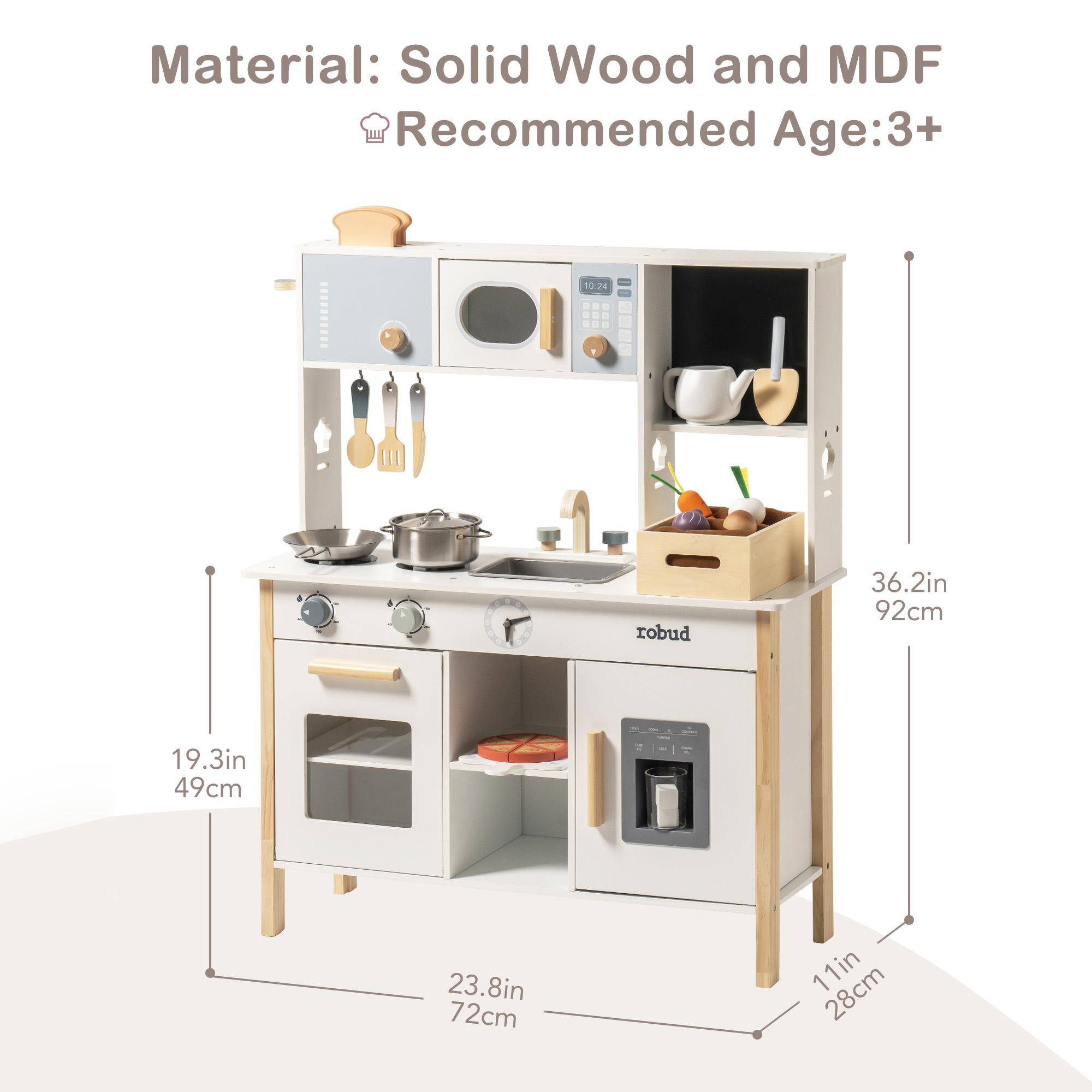
Credit: www.robud.com
Ideal Age Range
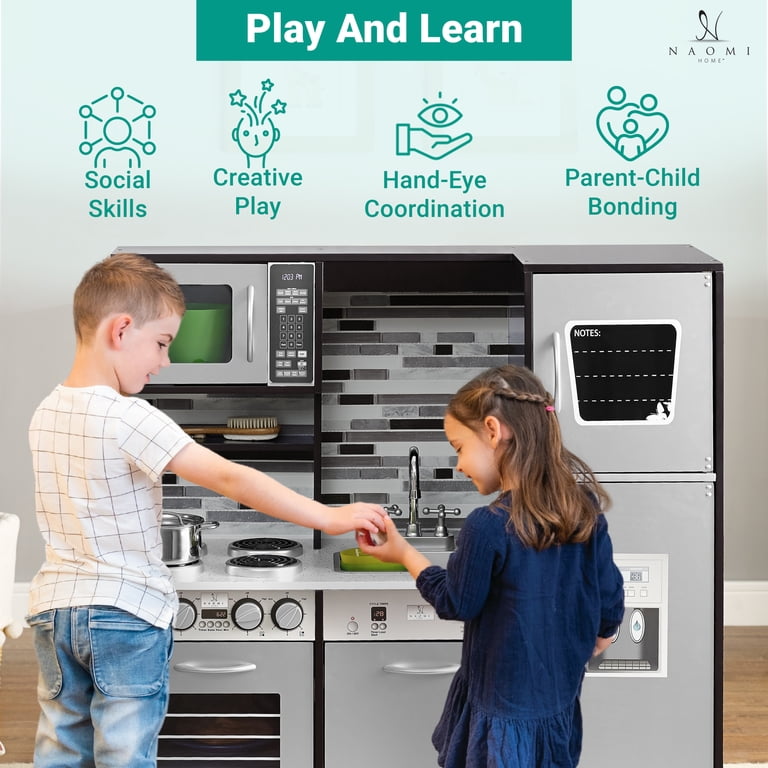
Play kitchens are best suited for children aged 2 to 6 years. At this stage, kids begin to enjoy pretend play and imitate adults. It helps develop their imagination, social skills, and fine motor skills.
Younger toddlers (2-3 years) enjoy simple actions like stirring or placing items. Preschoolers (4-6 years) can engage in more complex role play, such as cooking or serving.
| Age | Play Skills | Benefits |
|---|---|---|
| 2-3 years | Basic manipulation, simple pretend | Motor skills, early imagination |
| 4-6 years | Role play, storytelling | Social skills, creativity |
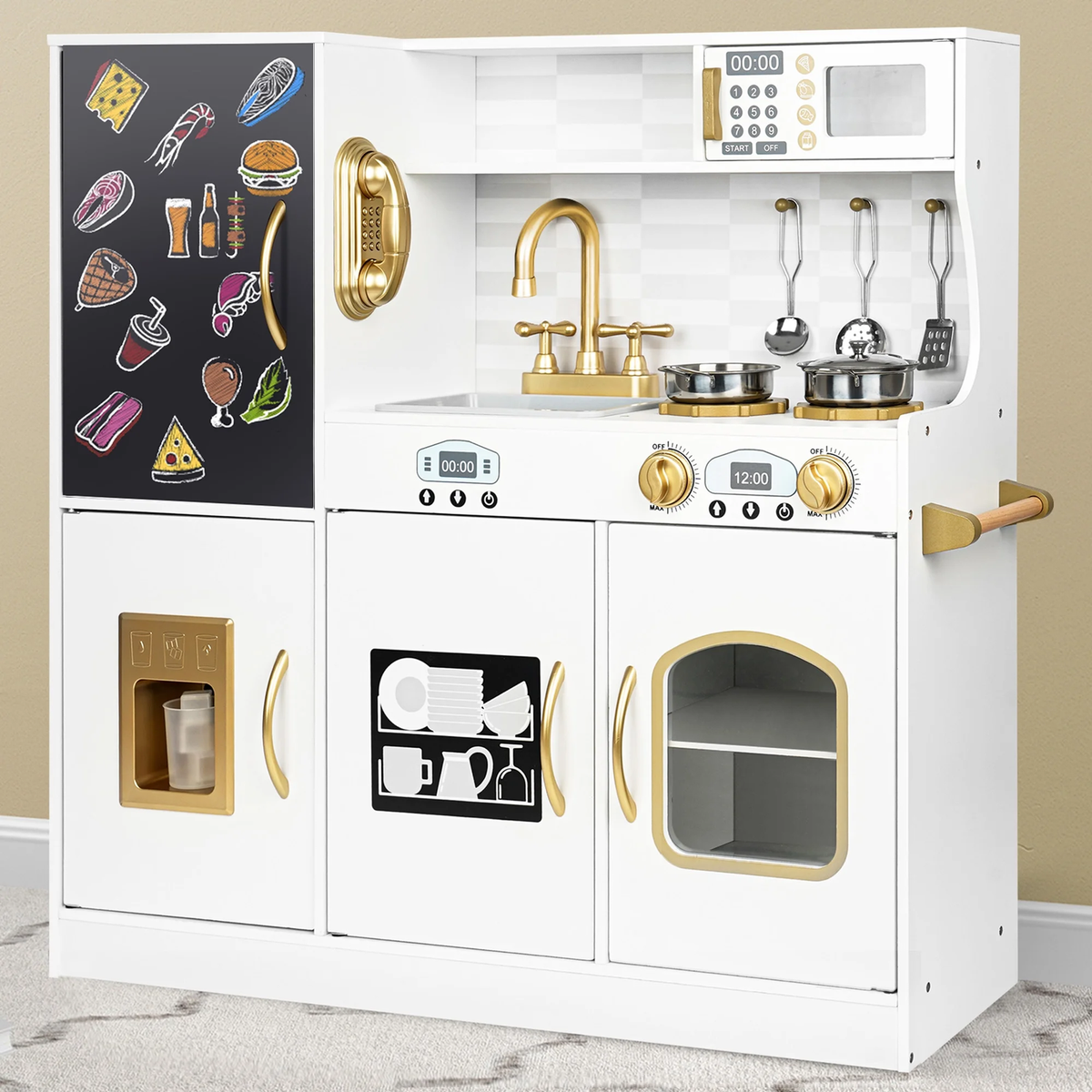
Credit: www.walmart.com
Benefits For Toddlers
Play kitchens help toddlers learn basic skillswhile having fun. They boost imaginationas kids pretend to cook and serve food. This kind of play also improves fine motor skillsby using knobs, doors, and utensils.
Playing with a kitchen set encourages social skills. Toddlers practice talking, sharing, and taking turns. It also helps them understand daily routineslike cooking and cleaning.
- Language skills:Kids learn new words while playing.
- Problem-solving:Figuring out how to use the kitchen tools.
- Creativity:Imagining different meals and scenarios.
Suitability For Preschoolers
Play kitchens are perfect for preschoolers aged 2 to 5 years. They help kids learn about daily tasks and improve their imagination. Children enjoy pretending to cook, clean, and organize. This play encourages social skillsand cooperation when shared with friends or family.
The size of the kitchen set fits well for young kids. It is safe and easy to use, with no small parts that could be dangerous. Parents appreciate how these toys help develop fine motor skillsand language abilities. Kids learn new words related to food and cooking while playing.
- Encourages role-playing and creativity
- Develops hand-eye coordination
- Teaches basic kitchen tasks
- Promotes sharing and teamwork

Credit: www.walmart.com
Safety Considerations
Play kitchens are best for children aged 3 years and up. Small parts can cause choking hazards for younger kids. Toys should have rounded edgesto prevent cuts or injuries. Materials must be non-toxicand safe for children to touch and mouth.
Supervision is important, especially with younger children. Make sure the play kitchen is stableand won’t tip over easily. Avoid items that get too hot or have sharp tools. Check for loose partsregularly to keep playtime safe.
- Choose kitchens with secure doors and knobs
- Avoid small detachable parts for children under 3
- Ensure all paint and plastic are safe and non-toxic
- Keep the play area clear to prevent tripping hazards
- Teach children how to play safely and carefully
Choosing The Right Kitchen Size
Choosing the right kitchen size helps children enjoy playtime safely. Smaller kitchens fit toddlers and preschoolers best. They can reach knobs and shelves easily. Larger kitchens suit older kids who want more space to pretend cook.
Measuring your child’s height is a smart way to pick the perfect size. The kitchen should be about waist-high to them. This makes play easier and more fun. Too tall or short can cause frustration or accidents.
| Child Age | Recommended Kitchen Height | Notes |
|---|---|---|
| 2 to 3 years | 18 to 24 inches | Small kitchens with simple features |
| 4 to 6 years | 24 to 30 inches | Medium size, more knobs and shelves |
| 7 years and up | 30 inches or higher | Larger kitchens with detailed accessories |
- Check if the kitchen fits your child’s space.
- Choose materials that are safe and easy to clean.
- Make sure all parts are sturdy and well-made.
Frequently Asked Questions
What Is The Best Age To Start Using A Play Kitchen?
Children aged 2 to 5 years enjoy and learn most from play kitchens.
Can Toddlers Safely Play With Kitchen Toys?
Yes, play kitchens designed for toddlers have safe, non-toxic parts and rounded edges.
How Does A Play Kitchen Benefit Preschoolers?
It boosts creativity, social skills, and basic cooking knowledge in young children.
Conclusion
Play kitchens suit children from about 2 to 8 years old. Toddlers enjoy simple tasks and pretend play. Older kids like more detailed cooking role play. This toy helps develop creativity and social skills. It encourages sharing and teamwork with friends or family.
Parents should pick a kitchen that matches their child’s age. Safe materials and sturdy design matter most. A play kitchen grows with the child’s imagination and skills. It offers hours of fun and learning combined. Perfect for any young child who loves to pretend cook.