If you love baking or cooking with your KitchenAid mixer, keeping it running smoothly is key. Over time, your mixer’s parts can start to wear down or get stiff, making it harder to use.
Knowing how to lubricate your KitchenAid mixer can save you money and extend its life. In this guide, you’ll learn simple steps to give your mixer the care it needs. Keep reading, and you’ll find out how easy it is to keep your favorite kitchen helper working like new.
Credit: bobistheoilguy.com
Tools And Materials Needed
Gather these tools and materialsbefore lubricating a KitchenAid mixer. You will need a small screwdriverto open the mixer case. Have a clean clothready for wiping dirt and grease. Use food-grade greaseto lubricate parts safely. A plastic spatulahelps spread the grease evenly. Keep a soft brushnearby to clean small parts. A bowlfor holding screws is helpful too. These items make the process smoother and safer.
Safety Precautions
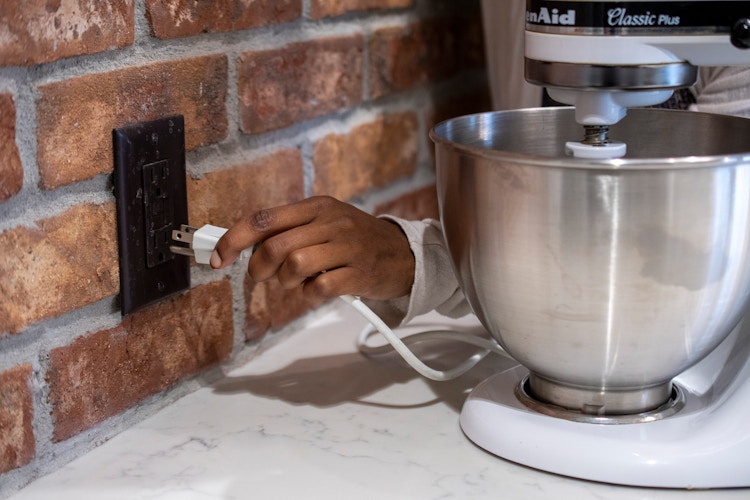
Always unplug the mixerbefore starting any work. This avoids accidental starts and injuries. Work in a clean, dry areato keep parts safe and free from dirt. Use protective glovesto protect your hands from grease and sharp edges. Avoid using too much force to open or move parts; this prevents damage. Keep children and pets away during maintenance. Use only recommended lubricantsto ensure proper function and safety. Never use water or household oils, as they can cause rust or damage. Make sure the mixer is completely dry before plugging it back in. Follow manufacturer instructions closely to avoid voiding warranties or causing harm.
Accessing The Mixer Gears
Access the mixer gears by removing the top cover carefully. This reveals the gears, allowing easy application of lubricant. Keep parts clean to ensure smooth operation.
Removing The Mixer Head
First, unplug the mixer for safety. Then, tilt the mixer head back. Locate the screw near the hinge. Use a screwdriver to loosen and remove it. Gently lift the mixer head off its base. Place it on a soft surface to prevent damage.Locating The Gearbox
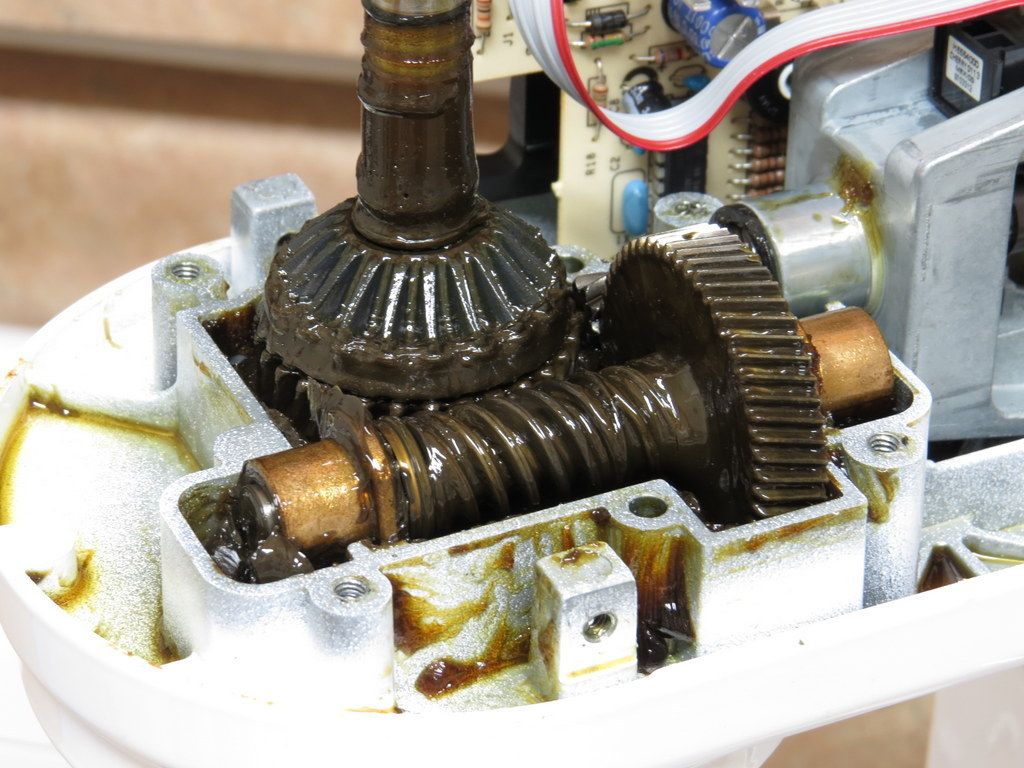
The gearbox is inside the mixer head. Remove the cover screws with a screwdriver. Lift off the cover carefully. You’ll see the gears inside. Look for signs of old or dirty grease. The gears must be clean and shiny. This area needs the new lubrication. `Cleaning Old Grease
Old grease can make your KitchenAid mixer work poorly. Removing leftover lubricant is key. Use a clean cloth to wipe away visible grease. A small brush helps reach tight spots. Apply a little rubbing alcohol on the cloth to dissolve stubborn grease. Be gentle to avoid damaging parts.
Cleaning the gear surfaces is important for smooth mixing. Use a soft brush to clean gears carefully. Avoid harsh tools that might scratch or break them. Make sure no dirt or grease remains. Dry the gears completely before adding new lubricant. Proper cleaning helps your mixer last longer and work better.
Choosing The Right Lubricant
Choosing the right lubricantfor your KitchenAid mixer is key to its smooth operation. Use grease made for kitchen appliances to avoid damage. Food-grade greaseis safe and effective. It prevents wear and keeps gears running quietly.
Some common greases include:
- Silicone-based grease – good for plastic parts.
- White lithium grease – strong and long-lasting.
- Food-grade NSF H1 grease – safe for food contact areas.
Buy quality grease at:
- Hardware stores – check the appliance section.
- Online retailers – search for “KitchenAid mixer grease.”
- Kitchen appliance repair shops – they often sell the right grease.
Applying New Grease
Use about a teaspoon of grease for the mixer’s gears. Too much grease can cause parts to slip or leak. Too little grease leads to wear and noise. The right amount helps the mixer work smoothly.
Spread the grease evenly on all gear surfaces. Use a small brush or your finger to coat every part well. This stops friction and keeps the gears running quietly. Make sure no spots are missed.
Reassembling The Mixer
Place the gearbox cover back onto the mixer carefully. Align it so all screw holes match perfectly. Tighten screws evenly to avoid damage. Make sure the cover is secure but do not overtighten screws. This keeps the gears protected and the mixer running smoothly.
Lower the mixer head back onto the base. Check that it fits snugly without gaps. Press down firmly until you hear a click or feel it lock in place. Test the head to ensure it moves freely and stays attached during use.
Testing The Mixer
After lubrication, run the mixer at low speed first. Listen for smooth and quiet operation. Increase the speed gradually and check if the mixer runs without jerks or strange noises.
Proper lubrication means the mixer parts move easily. The motor should not overheat or smell burnt. The attachments should turn freely without resistance.
- Quiet running noise
- Smooth movement of attachments
- No overheating of the motor
- No unusual smells or burning
- Consistent speed without jerks
Maintenance Tips
Lubricate your KitchenAid mixerevery 1-2 years for best performance. Frequent use may need more often. Check the manual for specific advice.
Common mistakes to avoid:
- Using the wrong type of grease can damage parts.
- Too much grease causes leaks and mess.
- Not cleaning old grease before applying new.
- Ignoring small noises that signal lubrication needs.
Proper lubrication keeps your mixer running smoothlyand extends its life.

Credit: thekrazycouponlady.com
Credit: thekrazycouponlady.com
Frequently Asked Questions
How Often Should I Lubricate My Kitchenaid Mixer?
You should lubricate your KitchenAid mixer every 1 to 2 years. Regular lubrication ensures smooth operation and extends the mixer’s lifespan. If used frequently, consider checking and lubricating it more often to prevent wear and tear.
What Type Of Grease Is Best For Kitchenaid Mixers?
Use food-grade silicone or lithium-based grease for KitchenAid mixers. These greases are safe, non-toxic, and provide excellent lubrication. Avoid regular household grease as it can damage internal parts and contaminate your food.
Can I Lubricate My Kitchenaid Mixer Myself?
Yes, you can lubricate your KitchenAid mixer yourself with proper tools and instructions. Follow the manufacturer’s guidelines carefully to avoid damage. If unsure, seek professional help to ensure correct maintenance.
What Are Signs My Kitchenaid Mixer Needs Lubrication?
If your mixer makes grinding noises or runs unevenly, it likely needs lubrication. Stiff or jerky movement also indicates lubrication is required. Timely lubrication prevents further damage and maintains performance.
Conclusion
Keeping your KitchenAid mixer well lubricated helps it run smoothly. Regular lubrication prevents wear and extends its life. Always use the correct grease made for mixers. Take your time and follow the steps carefully. A well-maintained mixer saves money and avoids breakdowns.
Simple care keeps your kitchen helper ready for any recipe. Small efforts now mean better performance later. Give your mixer the attention it deserves. Your cooking will thank you.