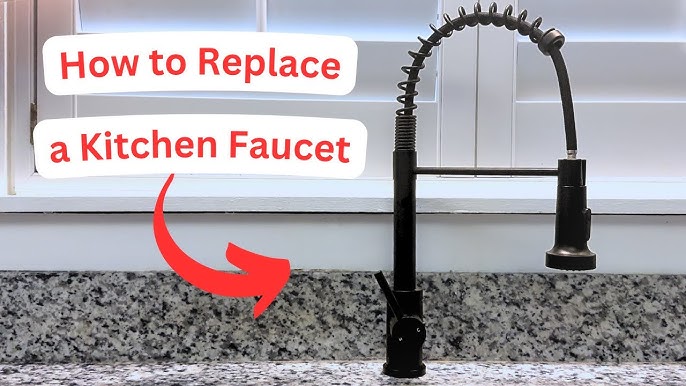
Are you tired of that old, leaky kitchen faucet? Changing it might seem tricky, but with the right steps, you can do it yourself and save money.
Imagine turning on your faucet and enjoying a smooth, fresh flow of water every time. In this guide, you’ll find simple, clear instructions to replace your kitchen faucet quickly and without stress. Ready to upgrade your kitchen and take control of your home repairs?
Keep reading, and you’ll have your new faucet installed before you know it.
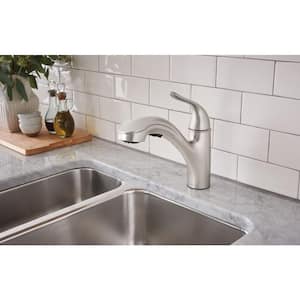
Credit: www.homedepot.com
Tools And Materials Needed
Changing a kitchen faucet needs some basic toolsand materials. A adjustable wrenchhelps loosen nuts and bolts. A basin wrenchreaches tight spots under the sink. Use a screwdriverfor screws and a plumber’s tapeto seal connections. A bucket can catch water drips.
| Replacement Faucet Options | Description |
|---|---|
| Single-Handle Faucet | Easy to use and install. Controls water with one lever. |
| Double-Handle Faucet | Separate controls for hot and cold water. Classic style. |
| Pull-Out or Pull-Down Faucet | Has a spray head that pulls out for easier cleaning. |
- Plumber’s puttyor silicone sealant to prevent leaks.
- Cleaning clothto wipe spills and clean surfaces.
- Flashlightto see under the sink better.
- Replacement partslike washers or O-rings if needed.

Credit: www.youtube.com
Preparing The Workspace
Start by turning off the water supply. This stops water flow and prevents leaks. Check under the sink for the shut-off valves. Turn them clockwise until tight. If no valves exist, turn off the main water supply.
Next, clear the area around the sink. Remove dishes, cleaning supplies, and other items. This gives you space to work and avoids accidents.
Protect the sink surface. Place a towel or cloth inside the basin. This stops scratches and damage during the faucet change. Also, use a bucket to catch any drips or water spills below the sink.
Removing The Old Faucet
Turn off the water supply before loosening the connectors under the sink. Carefully detach the old faucet and clean the surface for the new installation.
Disconnecting Water Lines
First, turn off the water supply. Use a wrench to loosen the water line nuts. Carefully remove the lines from the faucet. Some water might spill, so have a towel ready.Unscrewing Mounting Hardware
Locate the mounting nuts under the sink. Use a basin wrench to unscrew them. This will free the faucet. Gently lift the old faucet from the sink.Cleaning The Sink Surface
Once the faucet is out, clean the sink area. Remove any old putty or residue. Use a cleaner and a scrubber. Ensure the surface is smooth and clean. `Installing The New Faucet
Place the new faucet into the sink hole carefully. Align it so the holes match perfectly. Make sure the faucet sits flat and stable on the sink surface.
Secure the faucet using the mounting hardware provided. Tighten the nuts or screws under the sink to hold the faucet firmly in place. Avoid overtightening to prevent damage.
Connect the water supply lines to the faucet. Attach the hot and cold water lines to their matching valves. Use a wrench to tighten the connections but be gentle to avoid leaks.
Testing And Final Adjustments
Turn on the water supply slowly to avoid sudden pressure. Watch the faucet closely for any drips or leaks. Tighten connections gently if you spot water escaping. Use a cloth to check for hidden moisture around joints. Align the faucet properly so it sits straight and firm on the sink. Adjust screws or mounting nuts if the faucet tilts. Ensure the handle moves smoothly without resistance. Test hot and cold water flow for even pressure. Fix any wobbling by tightening fittings underneath the sink. Proper alignment and no leaks mean the job is done well.
Troubleshooting Common Issues
Leaksoften happen due to worn-out washers or loose parts. Tighten connections with a wrench. Replace old washers or O-rings to stop drips. Check the faucet base and handle for leaks too.
Low water pressuremay come from clogged aerators or supply valves. Remove the aerator and clean it with vinegar. Open supply valves fully. Also, check for pipe blockages or kinks.
Loose faucetscan cause wobbling or noise. Tighten mounting nuts under the sink. Use a basin wrench for hard-to-reach nuts. Ensure the faucet is stable before use.
Maintenance Tips
Regular cleaningkeeps the faucet working well and looking nice. Wipe the faucet daily with a soft cloth and mild soap. Avoid harsh cleaners that can damage the finish. Clean the aerator often to prevent clogs. Soak it in vinegar to remove dirt and mineral deposits.
Preventing mineral builduphelps the faucet last longer. Hard water can leave white spots and block the flow. Use a vinegar soak or a commercial cleaner made for mineral deposits. Check the water flow regularly. A slow drip may mean buildup inside the faucet.
| When to Replace Parts | Signs to Look For |
|---|---|
| Washers and O-rings | Dripping or leaking water |
| Cartridge | Difficulty turning handle or low water flow |
| Aerator | Uneven water spray or clogging |

Credit: www.youtube.com
Frequently Asked Questions
How Do I Remove An Old Kitchen Faucet Safely?
Turn off the water supply first. Then, disconnect water lines and mounting nuts. Use a wrench carefully to avoid damage.
What Tools Are Needed To Change A Kitchen Faucet?
You will need an adjustable wrench, basin wrench, screwdriver, plumber’s tape, and a bucket to catch water.
How Long Does It Take To Replace A Kitchen Faucet?
Replacing a faucet usually takes 30 minutes to an hour, depending on your experience and faucet type.
Can I Change A Kitchen Faucet Without A Plumber?
Yes, most kitchen faucets can be changed by homeowners with basic tools and careful following of instructions.
Conclusion
Changing a kitchen faucet is easier than it seems. Follow the steps carefully and take your time. Gather all tools before you start. Turn off the water supply to avoid spills. Remove the old faucet and clean the area well.
Install the new faucet, making sure it fits tightly. Test the faucet by turning the water back on. No leaks? You did a great job. Simple tasks like this save money and boost confidence. Give it a try and enjoy your updated kitchen sink.