If your KitchenAid dishwasher isn’t cleaning like it used to, the filter might be the culprit. Knowing how to remove and clean the filter can save you time, prevent bad odors, and keep your dishwasher running smoothly.
In this guide, you’ll learn simple steps to take out the filter quickly and safely. By the end, you’ll feel confident maintaining your dishwasher yourself, avoiding costly repairs and enjoying spotless dishes every time. Keep reading to find out how easy it really is!

Credit: appliancecareofatlanta.com
Locate The Dishwasher Filter
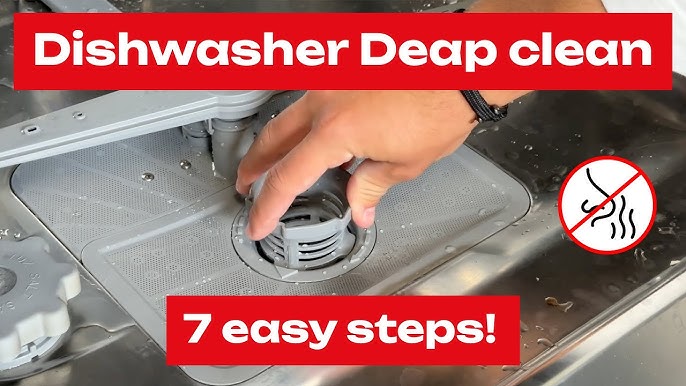
Open the dishwasher door fully to see inside clearly. The filter is usually at the bottom of the dishwasher. Look near the center or back of the dishwasher floor for a round or rectangular part.
This filter catches food bits and stops them from clogging the drain. It often has a handle or tabs to twist or pull for easy removal. Make sure the dishwasher is off before touching the filter.
- Open the door wide enough to reach inside.
- Look at the bottom of the dishwasher tub.
- Find a round or rectangular plastic mesh or screen.
- Check for a handle, knob, or tabs on the filter.
- The filter is usually in the center or back area.
Prepare For Filter Removal
Begin by unplugging the dishwasher or turning off its power. Clear the bottom rack to access the filter easily and avoid any obstructions.
Gather Necessary Tools
First, collect the tools you need. You will need a soft cloth. A small brush is helpful too. Also, have a container ready. This will catch any water. Keep these items nearby.
Ensure Dishwasher Is Off And Empty
Check that the dishwasher is off. Look at the power button. Make sure it is not lit. Open the dishwasher door. Take out all dishes and racks. The inside must be empty. This makes filter removal easier.
Remove The Filter
The filter assembly in a KitchenAid dishwasher helps catch food and debris. To remove it, first, open the dishwasher door fully. Locate the filter at the bottom center of the dishwasher tub. The filter assembly usually has a handle or tab for easy removal.
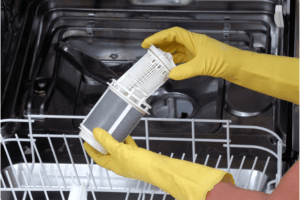
To unlock the filter assembly, turn the handle or tab counterclockwise. This will release the filter from its locked position. Once unlocked, gently lift the filter straight up to remove it.
Be careful not to damage the filter or the surrounding parts. Rinse the filter under running water to clean out any trapped debris. Regular cleaning keeps the dishwasher working well and prevents clogs.
Credit: artech.ae
Clean The Filter
The filter must be cleaned regularly to keep your dishwasher working well. Rinse the filter under running water to remove loose dirt and food bits. This helps clear the filter quickly and easily.
Use a soft brush to gently scrub away stuck debris. A toothbrush works well for this. Avoid hard brushes that might damage the filter.
- Hold the filter under warm water.
- Gently scrub with a soft brush to remove grime.
- Check the filter for any holes or damage.
- Rinse again to wash off loosened dirt.
- Let the filter dry before placing it back.
Reinstall The Filter
Hold the filter with both hands and align it with the slot at the bottom of the dishwasher. Gently insert the filter, making sure it fits snugly inside. The filter should sit flat without any gaps.
Turn the filter clockwise until you feel it lock securely in place. This helps keep food particles from clogging the dishwasher’s drain. A properly secured filter prevents leaks and improves cleaning.
- Check that the filter does not move after locking.
- Make sure it clicks or feels tight to avoid loosening.
- Clean the filter regularly to keep it working well.
Troubleshooting Filter Issues
The filter may get stuck due to food debris or grease buildup. Press down gently and twist the filter counterclockwise to unlock it. Avoid using too much force to prevent damage. Sometimes, the filter handle may be slippery. Use a cloth for a better grip.
Signs of filter damage include cracks, holes, or warped parts. These issues reduce cleaning efficiency and may cause clogs. Check the filter regularly for tears or worn spots. Replace the filter if you notice any damage. A damaged filter can allow food particles to recirculate, leading to dirty dishes.

Credit: www.abt.com
Frequently Asked Questions
How Do I Locate The Filter In A Kitchenaid Dishwasher?
The filter is usually at the bottom inside the dishwasher tub. Open the door and remove the bottom rack. Look for a round or cylindrical mesh filter near the spray arm. This filter traps food particles and debris during washing.
What Tools Are Needed To Remove The Kitchenaid Dishwasher Filter?
No special tools are needed. Most filters twist and lift out by hand. If it’s stuck, use a soft cloth for better grip. Avoid using metal tools to prevent damage to the filter or dishwasher.
How Often Should I Clean The Kitchenaid Dishwasher Filter?
Clean the filter every 1 to 3 months depending on usage. Frequent cleaning ensures optimal dishwasher performance and prevents odors. Regular maintenance avoids clogs and extends the appliance’s lifespan.
Can I Run The Dishwasher Without The Filter Installed?
No, running the dishwasher without the filter can cause damage. The filter protects the pump and spray arms by catching debris. Always reinstall the filter properly after cleaning before running a cycle.
Conclusion
Removing the filter from your Kitchenaid dishwasher keeps it running well. Clean filters stop food and dirt from blocking water flow. Regular cleaning helps dishes come out cleaner each time. Take your time and follow the steps carefully. This small task saves you from costly repairs later.
Keep your dishwasher fresh and working like new. Simple care makes a big difference in performance. Try it today and enjoy a cleaner kitchen appliance.