Rust stains on your kitchen sink can be stubborn and frustrating. You want your sink to look clean and fresh, but those orange marks just won’t go away.
What if you could remove rust quickly and easily, without harsh chemicals or expensive tools? You’ll discover simple and effective ways to get rust off your kitchen sink, restoring its shine and making your kitchen look spotless again. Keep reading, because the solution is easier than you think—and your sink will thank you!

Credit: www.reddit.com
Causes Of Rust On Kitchen Sinks
Rust on kitchen sinks happens due to constant exposure to water and air. When metal parts stay wet, they can start to rust. Dirt and food particles can also hold moisture, making rust worse. Scratches on the sink surface let water reach the metal underneath, causing rust spots.
- Water with high iron content can cause rust stains.
- Leftover metal objects like cans or steel wool can leave rust marks.
- Harsh cleaners may damage protective coatings, leading to rust.
| Material | Rust Risk |
|---|---|
| Stainless Steel | Low but can rust if damaged |
| Cast Iron | High, rusts easily if not coated |
| Enamel-coated Steel | Moderate, rusts if enamel chips |

Credit: www.reddit.com
Safety Tips Before Rust Removal
Protecting yourself is very important before removing rust. Wear glovesto keep your hands safe from harsh chemicals. Use gogglesto protect your eyes from splashes. A face maskcan stop you from breathing in dust or fumes.
Work in a place with good air flow. Open windows and doors to let fresh air in. If possible, use a fan to move air around. This helps to avoid breathing harmful fumes.
Keep your workspace clean and dry. Clear away items that are not needed. Cover nearby areas with cloths or plastic to protect them from rust remover spills. This makes the job safer and easier.
Diy Rust Removal Methods
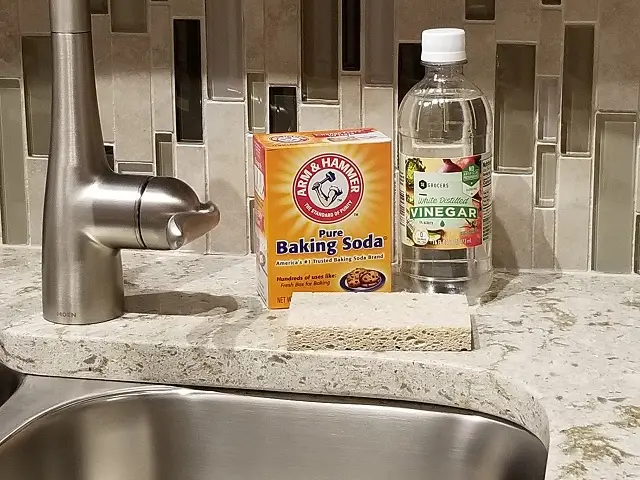
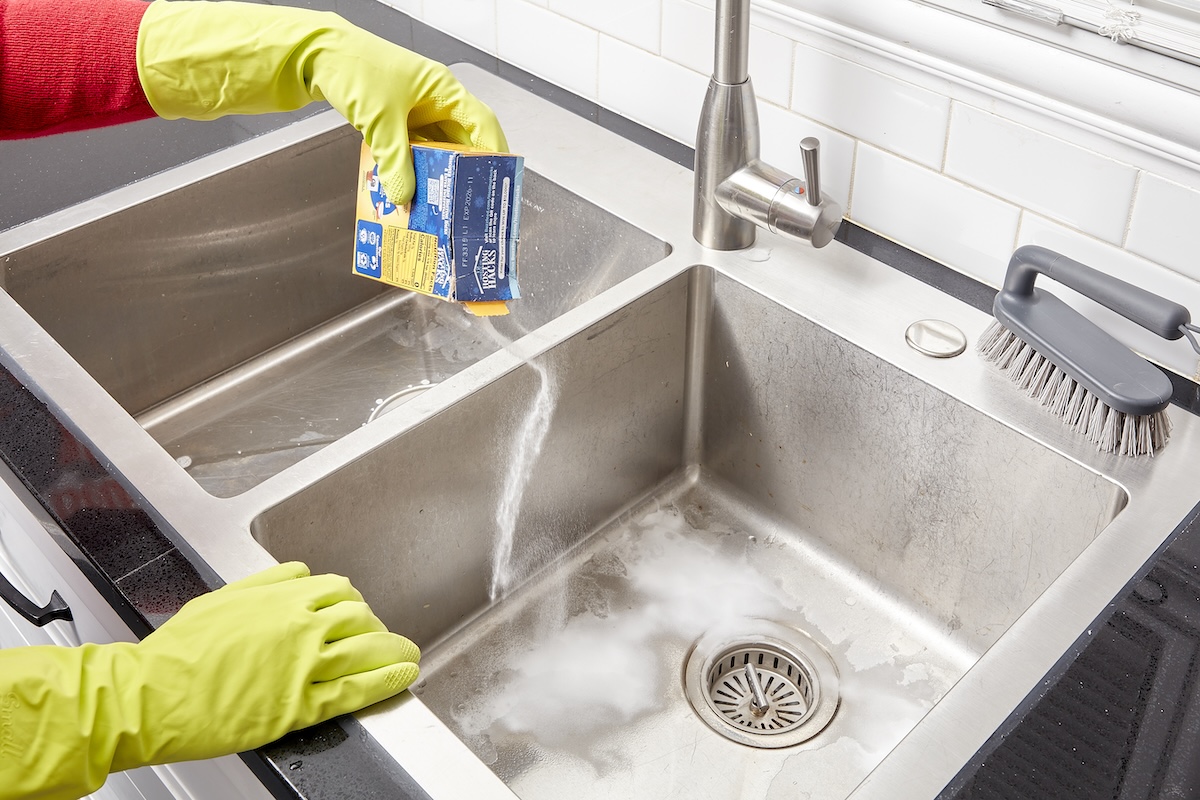
Removing rust from a kitchen sink is simple with everyday items like baking soda and vinegar. Scrubbing gently helps restore the sink’s shine without harsh chemicals. Regular cleaning prevents rust buildup and keeps the sink looking fresh.
Using Baking Soda Paste
Mix baking soda with water to make a thick paste. Spread the paste on the rust spots. Let it sit for 10 minutes. Scrub gently with a soft brush. Rinse with water and dry the sink. Baking soda helps remove rust easily.Applying Vinegar Solutions
Pour white vinegar on the rusty area. Let it soak for 15 minutes. The vinegar breaks down rust. Use a sponge to scrub away the rust. Rinse with water and dry well. Vinegar is an effective rust remover.Lemon And Salt Technique
Sprinkle salt on the rust spots. Squeeze lemon juice over the salt. Leave it for 10 minutes. The lemon and salt work together to remove rust. Scrub with a soft cloth. Rinse the sink and dry it. Lemon and salt make rust vanish. `Commercial Rust Removers
Commercial rust removersare useful for cleaning kitchen sinks. Popular products include CLR, WD-40 Specialist Rust Remover, and Iron Out. They work by breaking down rust quickly and safely.
Before use, read the instructions carefully. Wear gloves and protective eyewearto avoid skin and eye contact. Test the remover on a small, hidden area first. Apply the product with a cloth or sponge. Let it sit for the recommended time. Rinse the sink thoroughly with water after treatment to remove residue.
- Use in a well-ventilated area to avoid inhaling fumes.
- Never mix rust removers with other chemicals.
- Store products out of reach of children and pets.
Preventing Future Rust
Keeping your kitchen sink free from rust starts with regular cleaning. Wipe the sink daily using a soft cloth and mild soap. Avoid harsh scrubbing pads that can scratch the surface. These scratches allow rust to form more easily.
Applying protective coatingshelps prevent rust. Use products designed for metal surfaces like clear sealants or wax. These layers create a barrier against water and air, which cause rust. Reapply the coating every few months for best results.
- Dry the sink thoroughly after each use to stop moisture buildup.
- Use gentle cleaning tools to avoid surface damage.
- Choose sealants suitable for your sink’s material.
- Check and reapply protective layers regularly.
Credit: www.bobvila.com
When To Call A Professional
Severe rustcan cause holes or pitsin the sink surface. If rust spreads widely or flakes off easily, it needs expert help. Rust that does not come offwith home cleaning methods is a clear sign. Also, if rust stains affect plumbing partsor cause leaks, call a professional.
Choosing a rust removal expert means checking for experience and good reviews. Professionals should use safe methods that protect your sink. Ask if they offer a warrantyfor their work. Pricing should be clear and fair. Experts who give a detailed inspectionbefore fixing rust are the best choice.
Frequently Asked Questions
How Can I Remove Rust From My Kitchen Sink Easily?
You can remove rust using vinegar or lemon juice. Apply, let it sit for 10 minutes, then scrub gently with a brush. Rinse thoroughly and dry to prevent further rust.
What Household Items Remove Rust From Sinks Fast?
Common items like baking soda, lemon juice, and white vinegar effectively remove rust. They break down rust and are safe for kitchen surfaces.
Is It Safe To Use Commercial Rust Removers On Sinks?
Yes, but choose non-toxic, sink-safe rust removers. Follow instructions carefully to avoid damaging the sink surface or harming your health.
How Do I Prevent Rust From Returning On Kitchen Sinks?
Keep your sink dry and clean. Wipe down after use, avoid standing water, and apply a protective coating to prevent rust buildup.
Conclusion
Rust on your kitchen sink does not have to stay forever. Use simple household items like vinegar or baking soda to remove it. Act quickly to stop rust from spreading further. Regular cleaning helps keep your sink looking new. Small efforts make a big difference over time.
Keep your sink dry to prevent rust from coming back. A clean sink means a healthier kitchen space. Try these easy steps and enjoy a shiny sink again.