Choosing the right KitchenAid stand mixer can change the way you cook and bake forever. But with so many models and features, it’s easy to feel overwhelmed.
You want a mixer that fits your kitchen, matches your cooking style, and lasts for years. What if you could make this decision with confidence, knowing exactly what to look for? Keep reading, and you’ll discover simple tips to find the perfect KitchenAid stand mixer for your needs—making every meal easier and more enjoyable.
Types Of Kitchenaid Stand Mixers
Choosing a KitchenAid stand mixer depends on size, power, and features. Various models offer different bowl capacities and attachments. Consider your cooking needs to find the best fit.
Classic Series
The Classic Seriesis great for everyday baking and cooking tasks. It is affordableand has a 5-quart bowl. This series fits well in small kitchens. It has 10 speed settingsfor mixing flexibility.
Artisan Series
The Artisan Seriesis popular for home cooks. It has a 5-quart bowland a powerful motor. This mixer comes in many colors. It is easy to use and clean.
Professional Series
The Professional Seriesis built for larger batches. It has a 6-quart bowland a strong motor. This series is good for serious bakers. It handles heavy doughs with ease.
Commercial Series
The Commercial Seriesis made for heavy use. It has a larger bowlsize and powerful motor. This series is used in bakeries and restaurants. It offers long-lasting durability.
Key Features To Consider
Motor poweraffects how well the mixer handles thick dough and large batches. Choose a motor with at least 250 watts for regular home use. Higher power means better performance for heavy tasks.
Bowl capacitymatters based on your cooking needs. Small bowls (around 4.5 quarts) are good for everyday cooking. Larger bowls (6 quarts or more) work well for big families or frequent bakers.
- Speed settingsallow control over mixing intensity.
- More speeds help with different recipes like slow stirring or fast whipping.
- Look for at least 10 speed options for flexibility.
Attachments and accessoriesadd value to your mixer.
- Common attachments include dough hooks, beaters, and whisks.
- Extra tools like pasta makers or grinders offer more uses.
- Check if attachments are easy to swap and clean.
Material And Build Quality
Body materialaffects the mixer’s weight and strength. Most KitchenAid mixers have a die-cast metal body. This makes them solid and stable during use. Plastic bodies are lighter but less durable.
Bowl materialimpacts cleaning and durability. Common materials include:
- Stainless steel:strong, easy to clean, and rust-resistant.
- Glass:heavier and can break but allows you to see inside.
- Ceramic:decorative but more fragile.
Durability factorsinclude motor strength, metal gears, and overall build. KitchenAid mixers with metal gears last longer. Check for a sturdy base to avoid shaking during heavy mixing.
Size And Weight
KitchenAid stand mixerscome in various sizes and weights. This affects where you can place them and how easy they are to move.
Counter Space Requirementsvary depending on the mixer model. Some models need more room due to their wide base or tall head. Measure your kitchen counter before buying. Allow space for the bowl and attachments.
Portabilitymatters if you plan to move the mixer often. Larger mixers are heavier and harder to carry. Smaller models weigh less and fit in cabinets easier. Consider how often you will lift or store your mixer.
Color And Design Options
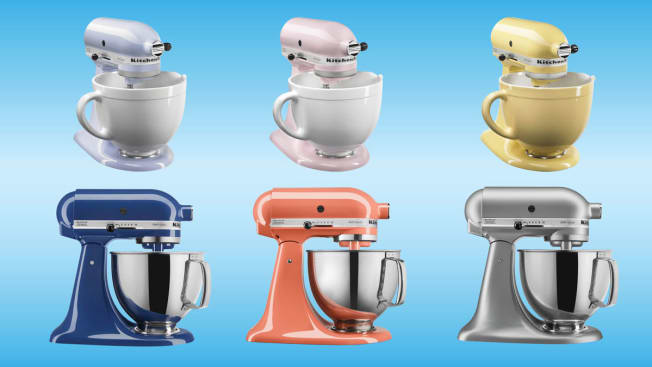
Kitchenaid stand mixers come in many popular colors. Choices include:
- Red
- White
- Black
- Silver
- Blue
- Green
Each color can match your kitchen decor. Bright colors add energy. Neutral colors blend well with most styles.
Consider your kitchen’s main colors and style. For example:
| Kitchen Style | Recommended Mixer Colors |
|---|---|
| Modern | Silver, Black, White |
| Traditional | Red, Cream, Blue |
| Country | Green, Pastel Colors |
Choosing the right color helps your mixer blend in or stand out. Think about what fits your space best.
Budget And Pricing
Kitchenaid stand mixerscome in various price ranges. Basic models usually cost less but still offer good performance. Mid-range mixers provide more features and attachments. High-end models have advanced functions and stronger motors.
Choosing the right mixer depends on your budgetand what you plan to use it for. Investing in a model with the right features can save money over time.
| Price Range | Features | Best For |
|---|---|---|
| $200 – $300 | Basic mixing, fewer attachments | Simple baking, occasional use |
| $300 – $500 | More attachments, stronger motor | Frequent bakers, diverse recipes |
| $500 and above | Advanced features, heavy-duty use | Professional bakers, large batches |
- Look for a mixer that balances price and features.
- Consider durability and warranty for long-term value.
- Check if included attachments meet your cooking needs.
User Reviews And Ratings
User reviews and ratings reveal real experiences with KitchenAid stand mixers. They help spot strengths and possible issues before buying. Checking feedback ensures a smarter, more confident choice.
Common Pros
Many users love the strong motor of the Kitchenaid Stand Mixer. It mixes heavy doughs easily. Others praise its durability. These mixers last for years. The variety of colors is a hit too. It matches many kitchen decors. The attachments are a big plus. They add more functions to the mixer. Users find it easy to clean. This saves time in the kitchen.
Common Cons
Some users mention the mixer is heavy. It can be hard to move. Others find it expensive. Not everyone wants to spend a lot on a mixer. A few users say it is noisy. This can be annoying during use. Some attachments are sold separately. This increases the total cost. The mixer may be too large for small kitchens. Users need enough counter space.

Credit: food52.com
Warranty And Customer Support
Warranty coverageusually lasts for one year. It protects from defects in parts and workmanship. Some models may have extended warranty options. Check what parts are covered and for how long. Knowing this helps avoid unexpected repair costs.
Service availabilitymeans how easy it is to get help. KitchenAid offers customer support through phone, email, and chat. Many local repair centers are available for quick fixes. Look for brands with good service near you. This saves time and trouble when problems arise.
Tips For Maintenance And Care
Keep the mixer clean after every use. Wipe the exterior with a damp cloth. Avoid using harsh chemicals that can damage the finish. Remove attachments and wash them with warm, soapy water. Dry all parts before reassembling to prevent rust.
Check the mixing bowl and attachments for food residue. Clean hard-to-reach spots with a soft brush. Never immerse the mixer base in water. This protects the motor and electrical parts.
| Issue | Cause | Fix |
|---|---|---|
| Mixer won’t start | Power cord unplugged or outlet issue | Check connection and try a different outlet |
| Unusual noise | Attachment not fixed properly | Turn off and reattach securely |
| Overheating | Extended use without breaks | Let the mixer cool down for 15 minutes |
Credit: www.mrmixer.store

Credit: www.youtube.com
Frequently Asked Questions
What Size Kitchenaid Stand Mixer Should I Buy?
Choose a mixer size based on your cooking needs. For small batches, a 4. 5-quart model works well. Larger families or frequent bakers benefit from a 5-quart or more. Consider your kitchen space and typical recipe quantities before deciding.
Which Kitchenaid Attachments Are Essential To Buy?
Start with the flat beater, dough hook, and wire whip. These cover most baking tasks like mixing, kneading, and whipping. Additional attachments like pasta makers or meat grinders can be added later based on your cooking style.
How Much Should I Spend On A Kitchenaid Stand Mixer?
Budget between $300 and $600 for a reliable, durable mixer. Higher-end models offer more power and features but may not be necessary for casual use. Balance price with your frequency of baking and desired attachments.
Is A Tilt-head Or Bowl-lift Mixer Better?
Tilt-head mixers are compact and ideal for home kitchens. Bowl-lift models are more stable and suited for heavy doughs. Choose based on your counter space and typical mixing tasks.
Conclusion
Choosing the right KitchenAid stand mixer makes cooking easier. Think about your kitchen space and how often you will use it. Size, power, and attachments all matter. Pick a model that fits your needs and budget. Remember, a good mixer lasts many years.
Enjoy creating delicious meals with your new kitchen helper. Take time to find the best match for you. Simple steps lead to happy cooking moments.