Navigating the vast and often confusing world of reusable drinkware can feel like a labyrinth, especially when your primary concern is health and safety. In an era where microplastics, chemical leaching, and environmental impact are at the forefront of consumer consciousness, choosing a truly non-toxic tumbler isn’t just a preference—it’s a critical decision for your well-being. This comprehensive guide is designed to cut through the noise, empowering you with the expert knowledge needed to select a tumbler that safeguards your health while performing flawlessly.
From your morning coffee to your post-workout hydration, tumblers have become indispensable companions in our daily lives. However, many conventional options on the market, particularly those made from certain plastics, can pose hidden risks by leaching harmful chemicals like BPA, phthalates, and even lead into your beverages. This guide will meticulously break down the materials, features, and certifications that define a truly safe and high-performing non-toxic tumbler, ensuring your hydration habit supports a healthier lifestyle.
We’ll explore the diverse landscape of materials, dissect insulation technologies, evaluate lid designs for chemical exposure, and equip you with practical tips to avoid common buying mistakes. Whether you’re a busy professional, an outdoor adventurer, a health-conscious parent, or simply someone seeking a safer way to stay hydrated, this expert-level guide will illuminate the path to making an informed, confident, and ultimately healthier choice in the burgeoning non-toxic tumbler market.

What to Look for When Buying Buying Guide
1. Material Safety & Certifications
The core of any non-toxic tumbler lies in its materials. This is arguably the most critical factor, as it directly impacts what your beverage comes into contact with. You’re looking for materials that are inert, durable, and free from harmful chemicals known to leach into food and drinks. The gold standard for non-toxic tumblers primarily revolves around high-grade stainless steel, borosilicate glass, and ceramic.
Stainless Steel: The most common and highly recommended material is 18/8 or 304 food-grade stainless steel. The “18/8” refers to its composition: 18% chromium and 8% nickel, which makes it highly resistant to rust, corrosion, and bacterial growth. It’s incredibly durable, doesn’t leach chemicals, and doesn’t retain flavors. Look for verification that it’s 304 food-grade. Some premium options might even feature 316 medical-grade stainless steel, offering even greater resistance to corrosion.
Borosilicate Glass: Known for its thermal shock resistance, borosilicate glass is an excellent non-toxic choice. It’s completely inert, meaning it won’t leach any chemicals or retain flavors, offering the purest taste experience. However, it’s less durable than stainless steel and can break if dropped. Many glass tumblers come with silicone sleeves for added protection and grip.
Ceramic-Lined Stainless Steel: This innovative option combines the best of both worlds: the durability and insulation of stainless steel with the pure taste profile of ceramic. The interior is coated with a non-toxic ceramic layer, preventing any metallic taste and providing an ultra-smooth, easy-to-clean surface. Ensure the ceramic lining is free of lead, cadmium, and other heavy metals.
Silicone: Food-grade silicone is often used for tumbler lids, sleeves, and straw components. It’s a stable, inert material that is resistant to extreme temperatures and does not leach chemicals. Always confirm it’s 100% food-grade silicone, ideally platinum-cured. Avoid cheaper, opaque silicone alternatives that might contain fillers.
Plastics (with caution): While the goal is non-toxic, some lids or exterior components might still be plastic. If so, ensure it’s specifically labeled BPA-free, BPS-free, and phthalate-free. Even then, avoid heating plastic components or leaving acidic drinks in contact with them for extended periods, as some plastics can still leach other endocrine-disrupting chemicals. The safest bet is minimal plastic contact.
2. Insulation Performance
After material safety, the primary functional characteristic of a good tumbler is its ability to maintain your drink’s temperature. Most high-performance tumblers utilize double-wall vacuum insulation. This technology involves two layers of material (typically stainless steel) with a vacuum-sealed space between them. This vacuum acts as a barrier, preventing heat transfer via conduction and convection, effectively keeping hot drinks hot and cold drinks cold for extended periods.
When evaluating insulation, consider the manufacturer’s claims regarding hot and cold retention times. A high-quality insulated tumbler should keep drinks hot for at least 6-12 hours and cold for 12-24 hours, or even longer with ice. Factors influencing performance include the quality of the vacuum seal, the thickness of the walls, and the lid design. A well-sealed, insulated lid is just as crucial as the body’s insulation to prevent heat loss or gain.
For those who need maximum insulation, look for tumblers that specify copper lining in addition to vacuum insulation. A copper layer between the double walls can further enhance thermal retention by reflecting radiant heat, offering superior performance.
3. Build Quality & Durability
A non-toxic tumbler is an investment, and you want it to last. Build quality and durability are key to ensuring longevity and value. For stainless steel tumblers, this means checking the gauge of the steel – thicker steel generally equates to greater dent resistance. Look for seamless construction, which reduces weak points and improves hygiene.
The exterior finish also plays a role in durability. Powder-coated finishes offer excellent scratch and chip resistance, providing a more robust and longer-lasting aesthetic compared to painted or bare metal surfaces. For glass tumblers, look for tempered or borosilicate glass, which is more resistant to thermal shock and breakage than standard glass. Integrated silicone sleeves on glass tumblers add a crucial layer of protection against impacts.
Beyond the body, examine the lid and any moving parts. Lids should feel robust, secure, and operate smoothly. Gaskets and seals should be made from food-grade silicone and fit snugly to prevent leaks and maintain insulation. Handles, if present, should be firmly attached and capable of withstanding regular use and the weight of a full tumbler.
4. Features & Functionality
The ideal tumbler integrates thoughtful features that enhance your daily use. Consider how you’ll be using it most frequently:
- Lid Design: This is a major functional element.
- Flip-top lids: Great for quick sips, often with a secure lock to prevent spills.
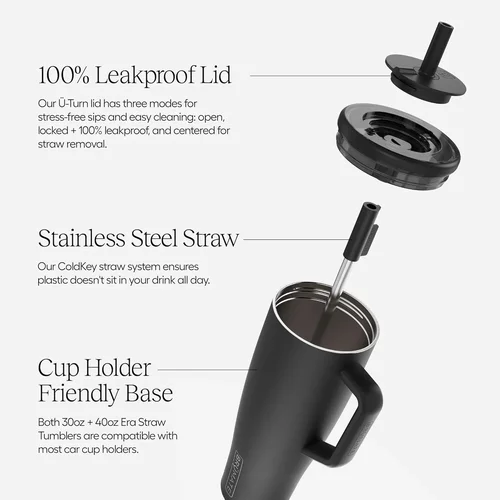
- Straw lids: Convenient for cold beverages, but ensure the straw itself is non-toxic (stainless steel or silicone).
- Chug lids: Offer a wider opening for faster hydration.
- Screw-on lids: Typically the most secure and leak-proof, but less convenient for frequent sipping.
- Ensure all lid components that touch your drink are made from safe, non-toxic materials like 18/8 stainless steel or food-grade silicone.
- Size & Capacity: Tumblers range from small 8-12 oz cups to large 40 oz or more. Consider your hydration needs and lifestyle. A desk worker might prefer a larger capacity, while a commuter might need something more compact.
- Portability & Ergonomics: How does it feel in your hand? Is it easy to grip? Does it fit in your car’s cup holder or your backpack’s side pocket? Some tumblers come with integrated handles or loops for easier carrying. Weight can also be a factor, especially for larger capacities.
- Non-Slip Base: A silicone or rubberized base can prevent spills and protect surfaces.
- Sweat-Proof Design: High-quality insulated tumblers should not “sweat” or form condensation on the exterior, preventing rings on furniture and a slippery grip.
5. Ease of Cleaning & Maintenance
A non-toxic tumbler is only truly hygienic if it can be thoroughly cleaned. Tumblers with wide mouths are significantly easier to clean by hand, allowing access to all interior surfaces. While some stainless steel tumblers are dishwasher safe, others recommend hand washing to preserve the vacuum seal and exterior finish. Always check the manufacturer’s instructions.
Pay close attention to the lid design. Lids with complex mechanisms, intricate nooks, or non-removable gaskets can be breeding grounds for mold and bacteria. Look for lids that can be easily disassembled into their individual components (e.g., removable gaskets, separate straw parts) for comprehensive cleaning. Food-grade silicone gaskets are generally removable and easy to clean, but ensure they can be reassembled correctly to maintain a leak-proof seal.
6. Ergonomics & Portability
The best tumbler is one you’ll actually use consistently. Ergonomics refers to how comfortable and practical the tumbler is to handle and use in your daily life. Consider its weight when full, its diameter (can you comfortably grip it?), and the presence of any texture or coating that enhances grip. Some tumblers feature a tapered design to fit various hand sizes, while others include a textured powder coat for a secure hold.
Portability is equally important. Think about where you’ll be taking your tumbler. Will it fit in your car’s cup holder? Will it slip easily into the side pocket of your backpack or gym bag? Some larger tumblers, while great for capacity, might be less practical for on-the-go scenarios if they’re too wide or heavy. Tumblers with integrated handles or carabin-friendly loops can significantly improve portability for active users.
Also, consider if the tumbler is “sweat-proof.” A good vacuum-insulated tumbler should not form condensation on the outside when filled with cold drinks, preventing wet hands or rings on surfaces, further enhancing its portability and user-friendliness.
7. Brand Reputation & Transparency
In the non-toxic market, brand reputation and transparency are crucial indicators of trustworthiness. Reputable brands are typically open about their materials, manufacturing processes, and third-party certifications. They should clearly state the grade of stainless steel, the type of silicone, and any coatings used. Look for brands that actively test their products for lead, cadmium, BPA, phthalates, and other harmful substances.
A strong brand reputation often reflects a commitment to quality control and customer satisfaction. While smaller, lesser-known brands can offer excellent products, established names often have a more proven track record of consistent material safety and product performance. Check if the brand has received certifications from recognized bodies, such as FDA approval for food contact materials, or adherence to Proposition 65 standards in California, which specifically lists chemicals known to cause cancer or reproductive toxicity.
Reading user reviews and testimonials can also provide valuable insight into a brand’s reliability and product integrity, offering real-world experiences regarding durability, insulation, and the absence of any strange tastes or smells over time.
8. Warranty & Support
Even the highest quality products can sometimes have manufacturing defects. A good warranty policy demonstrates a brand’s confidence in its product and its commitment to customer satisfaction. Look for tumblers with at least a one-year warranty against manufacturing defects. Some premium brands offer limited lifetime warranties, which cover issues like insulation failure (e.g., a tumbler that stops keeping drinks hot/cold) or issues with the vacuum seal.
Understand what the warranty covers (e.g., insulation performance, leaks, defects in materials or workmanship) and what it excludes (e.g., normal wear and tear, accidental damage, misuse). A brand with responsive customer support is also invaluable, as they can assist with any warranty claims, provide cleaning tips, or offer replacement parts if needed. Before purchasing, it’s wise to briefly review the brand’s warranty page on their website to set clear expectations.
Different Types of Buying Guide

Common Buying Mistakes to Avoid
❌ Mistake: Prioritizing Price Over Material Safety
Why it’s bad: Many inexpensive tumblers are made from lower-grade plastics that, even if labeled “BPA-free,” can still leach other endocrine-disrupting chemicals (like BPS, BPF) or harmful plasticizers. These chemicals can impact hormonal balance and overall health over time, especially with repeated use and exposure to heat or acidic liquids. Opting for the cheapest option often means compromising on the inertness and safety of materials.
What to do instead: View your tumbler as a long-term investment in your health. Prioritize food-grade 18/8 stainless steel, borosilicate glass, or ceramic-lined options. While these may have a higher upfront cost, they offer genuine peace of mind and superior durability, making them more cost-effective in the long run.
❌ Mistake: Ignoring Lid Material and Design
Why it’s bad: Many consumers focus solely on the tumbler’s body material, forgetting that the lid is often in direct contact with their drink, especially when sipping. Lids are frequently made from various plastics, some of which may not be as rigorously tested or certified as the main body. Complex lid designs with many small parts or non-removable gaskets can also be incredibly difficult to clean thoroughly, leading to the buildup of mold, bacteria, and unpleasant odors, even if the materials are technically non-toxic.
What to do instead: Carefully scrutinize the lid’s materials. Look for lids made from 18/8 stainless steel or 100% food-grade silicone for all contact points. Choose lids with simple, easy-to-disassemble designs where gaskets and seals can be removed for proper cleaning. If plastic is unavoidable for external parts, ensure it’s clearly marked BPA-free, BPS-free, and phthalate-free, and ideally, only minimal contact with your beverage.
❌ Mistake: Misunderstanding “BPA-Free” as Wholly Non-Toxic
Why it’s bad: The “BPA-free” label has become a common marketing tool, but it doesn’t guarantee a product is entirely safe. Manufacturers sometimes replace BPA with similar chemicals like BPS (Bisphenol S) or BPF (Bisphenol F), which have been shown to have similar endocrine-disrupting properties. Relying solely on “BPA-free” for plastic tumblers can create a false sense of security, leading you to purchase products that still pose health risks.
What to do instead: Whenever possible, opt for tumblers made from naturally non-toxic, inert materials like 18/8 stainless steel, borosilicate glass, or ceramic-lined options. If a plastic component is essential (like a small part of a lid), look for explicit declarations that it is free from BPA, BPS, BPF, and phthalates, and consider how much direct contact it will have with your drink.
❌ Mistake: Neglecting Cleaning Convenience
Why it’s bad: A tumbler that’s difficult to clean will quickly become a breeding ground for bacteria, mold, and persistent odors, regardless of how non-toxic its materials are. Intricate lid mechanisms, narrow openings, or non-removable gaskets can make thorough cleaning a frustrating chore, leading to less frequent use or unsanitary conditions.
What to do instead: Prioritize tumblers with wide mouths that allow easy access for hand-washing with a sponge or brush. Seek out lids that can be easily disassembled, allowing you to remove all gaskets and separate components for individual cleaning. Check if the tumbler is dishwasher-safe (at least the body) for added convenience. Regular and thorough cleaning is paramount for maintaining hygiene and preventing bacterial growth.
❌ Mistake: Overlooking Insulation Capabilities for Your Needs
Why it’s bad: Buying a tumbler with inadequate insulation for your lifestyle means your hot coffee will quickly turn lukewarm or your iced tea will melt too fast. This leads to dissatisfaction, wasted beverages, and potentially having to buy another tumbler that actually meets your performance needs, costing you more in the long run.
What to do instead: Clearly define your insulation requirements. If you need drinks to stay hot or cold for many hours (e.g., for long commutes, office desk, outdoor activities), invest in a high-quality double-wall vacuum insulated stainless steel or ceramic-lined tumbler. Check the manufacturer’s stated hot/cold retention times and read user reviews for real-world performance insights.
❌ Mistake: Ignoring Ergonomics and Portability for Your Lifestyle
Why it’s bad: A tumbler that’s too heavy, too wide to grip comfortably, too tall for your cup holder, or lacks a convenient carrying mechanism will quickly be left behind. If it’s not practical for your daily routine, even the safest and best-insulated tumbler will become a shelf ornament, leading to a wasted purchase and a return to less ideal drinkware.
What to do instead: Consider your typical activities. Measure your car’s cup holder. Think about how you’ll carry it. Look for features like comfortable grip textures, integrated handles, or compact designs if portability is key. If you primarily use it at a desk, a larger, heavier option might be fine, but for active use, prioritize ease of carry and a comfortable feel in hand.
Budget Guidelines: How Much Should You Spend?
The price of a non-toxic tumbler can vary significantly, reflecting differences in materials, insulation technology, brand reputation, and features. Understanding these tiers can help you set a realistic budget for your needs without compromising on safety or performance.
Entry-Level ($15 – $25):
At this price point, you can expect basic, but often reliable, non-toxic options. You’ll typically find single-wall borosilicate glass tumblers with silicone sleeves, or entry-level double-wall 18/8 stainless steel tumblers. Insulation performance for stainless steel might be decent but not exceptional (e.g., 4-6 hours hot, 8-12 hours cold). Lids will likely be simpler, often made from BPA/BPS-free plastic with a silicone seal. These are great for those on a tight budget who prioritize basic material safety for everyday hydration.
What to expect: Good material safety (glass or basic 18/8 steel), functional but not top-tier insulation, straightforward lid designs, and fewer advanced features like specialized coatings or ergonomic handles. Ideal for casual use, desk hydration, or short commutes.
Mid-Range ($25 – $45):
This is the sweet spot for most buyers, offering a significant leap in quality, performance, and features without breaking the bank. You’ll find robust double-wall vacuum insulated 18/8 stainless steel tumblers from well-known brands, often with superior hot/cold retention (6-12 hours hot, 12-24 hours cold). Lids are usually well-designed, often featuring flip-tops or straw options with food-grade silicone seals and minimal plastic contact. Many tumblers in this range will have durable powder-coated finishes and comfortable ergonomics.
What to expect: Excellent balance of material safety, insulation performance, durability, and thoughtful features. This range typically offers the best overall value for daily use, gym, and moderate outdoor activities. You’ll see better brand support and warranty coverage here.
Premium ($45 – $70):
Moving into the premium tier, you’re paying for cutting-edge technology, enhanced materials, superior craftsmanship, and often, a more refined user experience. This category includes ceramic-lined stainless steel tumblers for the purest taste, or those featuring advanced vacuum insulation with copper lining for maximum thermal performance. Design often becomes a key differentiator, with sleeker aesthetics, innovative lid designs (e.g., one-handed operation, multiple drink modes), and possibly medical-grade 316 stainless steel.
What to expect: Top-tier insulation, exceptional durability, advanced non-toxic materials (e.g., true ceramic lining), sophisticated features, and often, a lifetime warranty. These are for enthusiasts, frequent travelers, or anyone who demands the absolute best in performance and taste purity.
Luxury ($70+):
This top-tier category caters to those seeking artisanal quality, highly specialized designs, or exclusive branding. While still focusing on non-toxic materials, these tumblers might feature unique aesthetic elements, collaborations with designers, or extremely specialized functionalities (e.g., smart features, modular systems). The materials will be of the highest grade, often with meticulous finishing and unparalleled attention to detail. Insulation performance will be among the best available, and the user experience will be exceptionally smooth and refined.
What to expect: Uncompromising quality, potentially medical-grade materials, unique design features, sometimes limited editions, and the highest level of brand prestige and support. These are statement pieces that offer the ultimate in non-toxic hydration and user experience.
Expert Tips for Getting the Best Deal
1. Timing Your Purchase for Sales Events
Many major retailers and direct-to-consumer brands offer significant discounts during key shopping holidays. Keep an eye out for sales around Black Friday, Cyber Monday, Amazon Prime Day, and seasonal clearances (e.g., end-of-summer sales for outdoor gear, post-holiday sales). Subscribing to your favorite brands’ newsletters can often give you early access to deals or exclusive discounts.
2. Compare Prices Across Multiple Retailers
Don’t assume the first price you see is the best. Check the manufacturer’s official website, major online retailers (Amazon, Target, Walmart), and specialty stores (REI for outdoor-focused brands). Prices can vary, and one retailer might offer a bundle deal or a unique color on sale that others don’t.
3. Utilize Coupon Codes and Student/Military Discounts
Before checking out online, do a quick search for current coupon codes. Many browser extensions can automatically find and apply codes for you. If you’re a student, teacher, or military member, check if the brand offers specific discounts. These can often be combined with existing sales for even greater savings.
4. Read the Warranty Information Carefully
A good warranty protects your investment. Understand what specific defects are covered (e.g., insulation failure, manufacturing flaws) and for how long. A lifetime warranty on a premium tumbler might justify a higher upfront cost, as it ensures long-term reliability and potential free replacements if performance issues arise.
5. Understand Return Policies Before Buying
Especially when buying online, a clear and generous return policy is important. This allows you to test the tumbler’s ergonomics, fit in your cup holder, and check for any immediate defects without commitment. Understand the return window, whether you’ll pay for return shipping, and if a full refund or store credit is offered.
6. Don’t Overlook “Refurbished” or Open-Box Deals
Some manufacturers or authorized retailers offer “refurbished” or open-box items at a discount. These are often returns that have been inspected, cleaned, and certified to be in like-new condition. This can be an excellent way to get a premium non-toxic tumbler at a mid-range price, usually with the same warranty.
7. Consider Bundles or Accessories
Sometimes, buying a tumbler as part of a bundle (e.g., with a straw set, cleaning brush, or extra lid) can offer better value than purchasing each item separately. If you know you’ll need specific accessories, look for brands that offer them together at a reduced price.
8. Prioritize Functionality Over Brand Hype
While brand reputation is important for material safety, don’t pay a premium simply for a logo if a lesser-known but equally certified brand offers comparable non-toxic materials and performance at a better price. Focus on the core features that meet your needs rather than just the marketing.

Frequently Asked Questions
Q: What does “non-toxic” truly mean for tumblers?
A: For tumblers, “non-toxic” primarily means that the materials used in its construction (especially those that come into contact with your beverage) will not leach harmful chemicals into your drink. This typically excludes plastics known to contain BPA, BPS, BPF, phthalates, and liners or coatings that might contain lead, cadmium, or other heavy metals. The safest non-toxic materials are food-grade 18/8 stainless steel, borosilicate glass, and pure ceramic.
Q: Is “BPA-free” enough, or should I look for other materials?
A: “BPA-free” is a good starting point, but it’s not a guarantee of complete non-toxicity. Many manufacturers replaced BPA with similar chemicals like BPS or BPF, which can also be endocrine disruptors. For ultimate safety, it’s best to opt for naturally inert materials like food-grade stainless steel, borosilicate glass, or ceramic-lined tumblers, especially for the main body and any parts frequently in contact with your drinks.
Q: How do I know if a stainless steel tumbler is food-grade?
A: Look for explicit labeling that specifies “18/8 food-grade stainless steel” or “304 stainless steel.” These numbers refer to the composition (18% chromium, 8% nickel) which indicates its resistance to corrosion and leaching. Some high-end options may even use 316 medical-grade stainless steel. If these specifications aren’t listed, it’s best to err on the side of caution.
Q: Are ceramic-lined tumblers better than pure stainless steel?
A: It depends on your priority. Ceramic-lined tumblers offer a purer taste experience, similar to drinking from a ceramic mug, as they prevent any metallic aftertaste sometimes associated with stainless steel. They also tend to be easier to clean. However, the ceramic lining can potentially chip if the tumbler is dropped hard, which isn’t a concern with solid stainless steel. For pure taste with insulation, ceramic-lined is often preferred; for maximum durability, pure stainless steel holds an edge.
Q: How long do vacuum-insulated tumblers keep drinks hot/cold?
A: This varies by brand, design, and initial beverage temperature. High-quality double-wall vacuum insulated tumblers can typically keep drinks hot for 6-12 hours and cold for 12-24 hours, with some even extending cold retention to 36-48 hours with ice. Factors like lid design and external temperature also play a role. Always check manufacturer specifications and user reviews for real-world performance.
Q: Can I put my non-toxic tumbler in the dishwasher?
A: It depends on the specific tumbler. While many stainless steel bodies are dishwasher-safe, others recommend hand-washing to preserve the exterior finish and the vacuum seal. Lids, especially those with intricate parts or silicone gaskets, are often hand-wash only to prevent damage or warping. Always refer to the manufacturer’s care instructions for each component.
Q: What’s the best way to clean my tumbler to prevent mold?
A: For optimal hygiene, hand wash your tumbler and all its components (body, lid, gaskets, straw) with warm, soapy water after each use. Use a bottle brush for the interior and a small brush (like a pipe cleaner or straw brush) for hard-to-reach areas and straw. Disassemble lids completely, removing all gaskets, and allow all parts to air dry thoroughly before reassembling. For deep cleaning, a mixture of baking soda and vinegar can remove stubborn odors and stains.
Q: What materials should I absolutely avoid in a non-toxic tumbler?
A: Avoid tumblers made from unknown plastics, especially if they’re not explicitly labeled BPA-free, BPS-free, and phthalate-free. Also, be wary of aluminum bottles without a clear, safe lining, as raw aluminum can react with acidic beverages. If a tumbler uses an internal coating, ensure the manufacturer clearly states it’s food-grade and free from harmful chemicals like lead or cadmium.
Our Final Recommendations
Choosing the best non-toxic tumbler ultimately comes down to aligning its features with your personal needs and priorities. Here are our top recommendations based on common user profiles:
Best for Budget-Conscious Buyers:
Look for straightforward double-wall 18/8 food-grade stainless steel tumblers from reputable, but perhaps lesser-known, brands. Prioritize a wide mouth for easy cleaning and a simple, easily disassembled lid with food-grade silicone seals. You might sacrifice some advanced features or ultra-long insulation times, but you’ll get essential non-toxic material safety and solid performance for daily use without a hefty price tag. Focus on core material integrity over brand hype.
Best Overall Value:
The sweet spot for most users is a mid-range, double-wall vacuum insulated 18/8 stainless steel tumbler with a durable powder-coated finish. Choose a brand with a strong reputation for quality and customer service. Seek out a leak-proof lid with an intuitive design (e.g., a secure flip-top or straw option) that’s easy to clean. This option provides excellent insulation performance, robust durability, and thoughtful features that will satisfy the majority of users for years, offering the best balance of cost and quality.
Best Premium Option:
For those who demand the purest taste and superior performance, invest in a ceramic-lined stainless steel tumbler. These combine the inert properties of ceramic, ensuring no metallic taste, with the insulation and durability of stainless steel. Look for medical-grade 316 stainless steel exteriors for enhanced corrosion resistance. Premium options often feature innovative, multi-functional lid designs and sleek aesthetics, providing an elevated drinking experience that justifies the higher price point.
Best for Pure Taste Enthusiasts:
If the slightest metallic taste is a deal-breaker, your best bet is either a high-quality borosilicate glass tumbler (often with a protective silicone sleeve) or a ceramic-lined stainless steel tumbler. Glass offers an absolutely inert surface for the purest taste but lacks insulation and is more fragile. Ceramic-lined steel provides the same pure taste profile while adding excellent insulation and improved durability, making it the top choice for discerning palates who need temperature retention.
Best for Active Lifestyles & Durability:
For gym-goers, hikers, or anyone who puts their gear through its paces, prioritize a rugged 18/8 stainless steel tumbler with a durable, scratch-resistant powder coat finish. Look for a robust, leak-proof lid with a secure locking mechanism, possibly a convenient carrying handle or loop, and excellent impact resistance. Opt for superior vacuum insulation that can withstand varied environmental conditions and keep drinks cold for extended periods, even during intense activities.
Conclusion: Making the Right Choice
Choosing the perfect non-toxic tumbler is a powerful step towards a healthier lifestyle and a more sustainable future. This guide has armed you with the essential knowledge to navigate the market with confidence, from understanding the critical importance of material safety to evaluating insulation performance, lid design, and brand transparency. Remember, the best tumbler isn’t just one that keeps your drinks hot or cold; it’s one that keeps them pure, free from harmful chemicals, and perfectly suited to your daily needs.
Prioritizing materials like food-grade stainless steel, borosilicate glass, and ceramic linings ensures that your hydration habit is genuinely beneficial for your well-being. By considering factors like ease of cleaning, ergonomics, and the brand’s commitment to quality, you can make an informed decision that you’ll be happy with for years to come. Don’t fall prey to common buying mistakes; instead, empower yourself with the detailed insights provided here.
Ultimately, the right non-toxic tumbler is a personal choice that aligns with your specific routines and preferences. Take the time to assess your priorities—whether it’s maximum insulation for long days, the purest taste for sensitive palates, or ultimate durability for adventurous pursuits. Invest wisely in a tumbler that not only serves its purpose but also contributes to your long-term health and a cleaner planet. Make the switch today, and enjoy every sip with peace of mind.