You know that feeling when you look at your kitchen faucet and see those unsightly spots and stains? It’s frustrating, right?
A sparkling clean faucet not only makes your kitchen look more inviting but also ensures that germs and bacteria aren’t lurking around. But where do you start? Cleaning your kitchen faucet might seem like a daunting task, but with the right steps, it can be a breeze.
Imagine the satisfaction of seeing it shine like new, every time you enter your kitchen. This article will guide you through simple, effective methods to rejuvenate your faucet, making it one less thing to worry about. Curious to find out how? Keep reading to discover the secrets to a gleaming faucet and transform your kitchen into a space you’ll love even more.
Credit: www.tiktok.com
Gather Necessary Supplies
Cleaning a kitchen faucet is simple. Start by collecting some supplies. You need a soft cloth or sponge. This helps to clean the faucet gently. A mild dish soap works well for removing dirt. Vinegar is great for tackling hard water stains. Have a toothbrush ready. It gets into small spaces easily. Baking soda is useful for tough spots. Gloves protect your hands from cleaners.
Fill a small bowl with warm water. Use this to rinse your cloth. An old towel is handy for drying. Keep a small brush for scrubbing. A spray bottle is good for rinsing. All these supplies will help keep your faucet shiny.
- Soft cloth or sponge
- Mild dish soap
- White vinegar
- Old toothbrush
- Baking soda
- Protective gloves
- Small bowl of warm water
- Old towel for drying
- Small brush for scrubbing
- Spray bottle for rinsing
Turn Off Water Supply
Before cleaning, turn off the water. This stops water flow. Look under the sink for the valve. Turn it clockwise to close. Check if the water is off by turning the faucet handle. No water should come out. If water still flows, check the valve again. Ensure it is tight. This step is very important for safety. Avoid messes by following this step carefully. Now, the faucet is ready for cleaning.
Remove Faucet Handles
First, gather your tools. You might need a screwdriver. Check for screws at the base of the faucet handle. Some handles hide screws under a cap. Use a flathead screwdriver to lift the cap gently. Be careful not to scratch the surface. If there are no screws, the handle might twist off. Turn the handle counterclockwise. Hold the faucet base steady as you twist. If it’s stuck, use a rag for better grip. For handles with screws, loosen them with a Phillips screwdriver. Once the screw is loose, the handle should come off easily. If it doesn’t budge, check for hidden screws. Remember, don’t use too much force. You might break something. Once removed, clean the handle area. Use a soft cloth and warm soapy water. Wipe away dirt and grime. This makes the faucet work better. Now, you can see inside the faucet. This helps you fix leaks or drips.
Clean Faucet Aerator
Twist the aerator slowly to remove it. Use a wrench if it’s tight. Be careful not to scratch the surface. Place the aerator parts on a towel.
Mix equal parts of vinegar and water in a bowl. Submerge the aerator in the solution. Let it sit for 15 minutes to loosen dirt. Vinegar helps remove mineral build-up.
Rinse the aerator under running water. Ensure all dirt and vinegar are gone. Dry with a clean cloth. Reattach by twisting back onto the faucet. Check for leaks once it’s secure.
Scrub Faucet Body
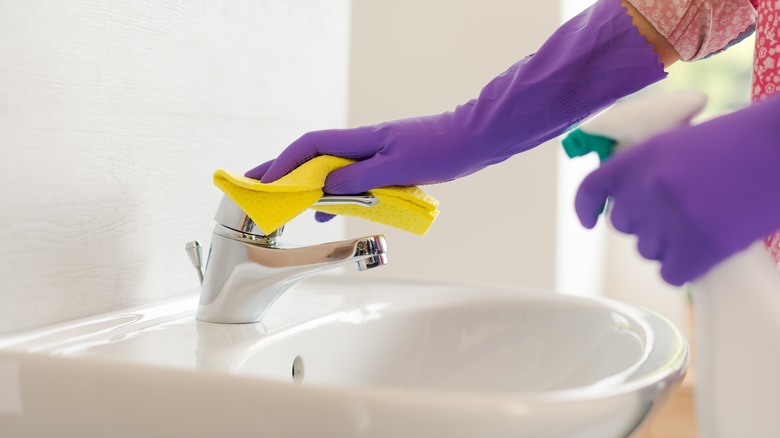
Scrub the faucet body using a soft cloth and mild detergent. Focus on any spots or stains that are visible. Rinse thoroughly with warm water to remove soap residue, ensuring a sparkling finish.
Use Mild Detergent
Choose a mild detergentfor cleaning. It is gentle on faucets. Mix a small amount with water. Use a soft cloth or sponge. Gently scrub the faucet body. Focus on areas with hard water stains. Rinse the faucet with clean water. Dry with a soft towel to avoid spots.
Focus On Hard Water Stains
Hard water stains can be stubborn. Use vinegar for these stains. Soak a cloth in vinegar. Wrap it around the faucet. Leave it for 10 minutes. Gently scrub with a brush. Rinse the faucet well. Dry it with a towel to finish.
Disinfect Faucet
Regular cleaning of your kitchen faucet ensures hygiene and longevity. Use mild soap and warm water to wipe away grime. For stubborn spots, apply vinegar solution and scrub gently with a toothbrush.
Apply Disinfectant
Choose a disinfectantsafe for faucets. Spray it on the faucet. Cover all parts evenly. Let the disinfectant sit for a few minutes. This kills germsand bacteria.
Wipe With Clean Cloth
Use a clean clothto wipe the faucet. Make sure it’s dry and soft. Gently rub the entire surface. Remove all disinfectant and dirt. This makes the faucet shine bright.
Polish For Shine
Choose a soft cloth to clean the faucet. Hard cloths can scratch surfaces. Wet the cloth with warm water. Wipe the faucet gently. Remove dirt and grime. Dry the faucet with a dry soft cloth. This prevents water spots. Ensure the faucet is completely dry. A dry faucet shines more.
Read the label on the polish. Some polishes are not for all metals. Apply a small amount of polish on the cloth. Rub the polish gently on the faucet. Use circular motions for best results. Let the polish sit for a few minutes. Buff the faucet with a clean cloth. This helps the faucet shine bright. Repeat if necessary for extra shine.
Reassemble Faucet
Ensure all parts of the faucet are dry and clean. Begin by assembling the faucet parts carefully. Attach the spoutback onto the base. Check the alignment is correct. Place the handleonto the valve stem. Secure it firmly with screws. Tighten the screws using a screwdriver. Connect the hoses to the water supply. Ensure they are securelyattached. Turn the water supply back on. Check for leaks. If leaks occur, tighten connections further. Test the faucet by turning it on. Ensure smooth operation. Adjust if necessary.
Turn On Water Supply
First, make sure the water supply is off. This prevents water spills. Find the valve under your sink. It is usually a small knob. Turn the knob clockwise to close it. After cleaning, turn it back counterclockwise. This opens the water flow again. Check for any leaks around the faucet. If there are leaks, tighten the valve a bit more. This ensures everything stays dry. Always handle the valve gently. It can break if turned too hard. A broken valve can cause more problems.

Credit: www.yahoo.com
Regular Maintenance Tips
Clean your faucet every week. Use a soft cloth and mild soap. This removes dirt and germs. Check for mineral buildup. If you see any, use vinegar to clean. Vinegar dissolves minerals easily. Rinse the faucet well after cleaning. Dry it with a clean towel. This keeps your faucet shiny and new.
Protective covers keep your faucet safe. They prevent scratches and dents. Choose covers that fit snugly. They should cover the faucet completely. Use covers when not using the faucet. This keeps it clean longer. Covers are easy to use and replace. They help maintain a beautiful faucet.
Credit: www.thetakeout.com
Frequently Asked Questions
How Often Should I Clean My Kitchen Faucet?
Cleaning your kitchen faucet every two weeks is ideal. Regular cleaning prevents mineral buildup and keeps it looking fresh. Depending on usage and water hardness, you may need more frequent cleaning. Always check for signs of buildup or stains to ensure optimal cleanliness and functionality.
What Is The Best Way To Clean A Faucet?
Start by wiping the faucet with warm soapy water. Use a soft cloth to avoid scratches. For stubborn stains or mineral deposits, apply a mixture of vinegar and water. Gently scrub with a toothbrush. Rinse thoroughly to remove residue and dry with a clean towel.
Can Vinegar Damage My Faucet?
Vinegar is generally safe for most faucets, especially stainless steel and chrome. Avoid using vinegar on gold or nickel-plated faucets, as it can damage the finish. Always test in a small area first. Ensure the vinegar solution is diluted to prevent any potential damage or discoloration.
How Do I Prevent Water Spots On Faucets?
Drying your faucet with a soft cloth after each use helps prevent water spots. Regular cleaning with vinegar removes mineral deposits. Consider installing a water softener if your water has high mineral content. This reduces the chances of spots forming and keeps your faucet looking pristine.
Conclusion
Cleaning your kitchen faucet is simple and important. It keeps germs away. Shiny faucets look nice and work better. Use gentle cleaners to protect the finish. Regular cleaning prevents buildup and stains. Wipe it down weekly for best results. Don’t forget the faucet handles and spout.
They need attention too. A clean faucet adds beauty to your kitchen. It also ensures safe water flow. Keeping it clean saves you time and effort later. Follow these steps for a sparkling kitchen faucet. Enjoy a clean and healthy kitchen space.