Ever picked up your kitchen sponge and wondered if it’s doing more harm than good? You’re not alone.
That humble little scrubber can be a breeding ground for germs and bacteria if not properly maintained. Imagine cleaning your dishes with something dirtier than the sink itself! The good news is, there’s a simple solution to keep your kitchen sponge fresh and effective.
By following a few easy steps, you can ensure that your sponge isn’t just moving grime around but is actually doing its job right. Dive into this guide to discover how to clean your kitchen sponge effectively, making your kitchen not just cleaner, but also safer for you and your loved ones. Keep reading to transform how you think about this everyday tool, and give your kitchen the cleanliness it deserves!
Credit: household-tips.thefuntimesguide.com
Importance Of A Clean Sponge
A clean spongestops germs from spreading. Dirty sponges can make food unsafe. Your kitchen can smell bad if sponges are dirty. Keeping sponges cleanhelps keep your family healthy. It stops bugs from growing in your kitchen. Sponges pick up dirt from dishes and counters. Dirty spongescan make people sick. They can cause belly aches and other problems.
Clean sponges make cleaning easier. You need less soap and water. Your dishes get cleaner faster. A clean sponge lasts longer. You save money by using fewer sponges. Sponges are important tools. They help us keep things tidy. Taking care of spongesis smart.
:max_bytes(150000):strip_icc()/hydrogen-peroxide-uses-home-4174809-05-3c126f03778d46f4858d75c2780429a9.jpg "How to Clean Kitchen Sponge 2")
Credit: www.thespruce.com
Signs Your Sponge Needs Cleaning
Kitchen sponges work hard every day. They absorb water, soap, and food bits. Sponges can smell bad if not cleaned. A dirty sponge can spread germs. Look for these signs:
- Bad smell when you use it.
- Mold spots or dark stains.
- Sticky feel even after rinsing.
- Bits of food stuck in the sponge.
- Not absorbing water like before.
If you notice these signs, it’s time to clean your sponge. A clean sponge helps keep your kitchen safe. Regular cleaning keeps germs away. Check your sponge often. Keep it fresh for a healthy home.
Basic Cleaning Methods
Microwave the sponge for one minute to kill germs. Soak it in vinegar or lemon juice for a fresh scent. Rinse thoroughly with water to remove any residues.
Soap And Water
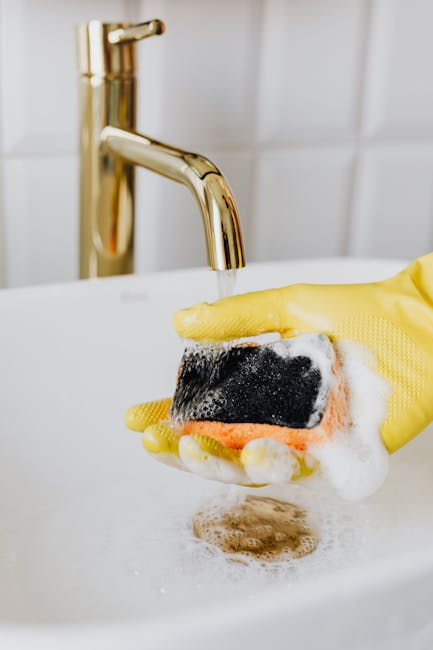
Wet the kitchen sponge with warm water. Add a few drops of dish soap. Rub the sponge to create bubbles. Squeeze to remove dirt and grease. Rinse under running water to wash away soap. Repeat if the sponge is still dirty. Let it air dry completely. A clean sponge is a healthy sponge.
Microwave Disinfection
Soak the sponge in water. Place it in the microwave. Heat on high for one minute. This kills germs. Be careful when removing the hot sponge. Let it cool before use. Check if the sponge has any metal. Never microwave with metal parts. Stay safe while cleaning.
Dishwasher Cleaning
Place the sponge in the dishwasher. Use the top rack for safety. Run a normal cycle with dishes. The heat will kill germs. Let the sponge dry in the dishwasher. Clean sponges should be used with care. Dishwashers make cleaning easy.

Credit: www.instagram.com
Deep Cleaning Techniques
Cleaning kitchen sponges efficiently extends their lifespan. Soak in a vinegar-water mix for 5 minutes to kill bacteria. Microwave the damp sponge for 2 minutes to sanitize and eliminate odors.
Vinegar Soak
Place the sponge in a bowl. Fill it with white vinegar. Let the sponge soak for five minutes. This will help kill bacteria. Rinse the sponge with water. Squeeze out extra liquid. The sponge should now be clean and fresh.
Bleach Solution
Mix one tablespoon of bleach with one cup of water. Submerge the sponge in the solution. Leave it for five minutes. This will disinfect the sponge. Rinse thoroughly and squeeze out any bleach. The sponge is now sanitized.
Boiling Method
Bring a pot of water to a boil. Drop the sponge in the boiling water. Let it boil for five minutes. This will remove germs. Take out the sponge. Allow it to cool. Squeeze out the water. Your sponge will be clean and safe.
Natural Cleaning Alternatives
Sanitize your kitchen sponge using natural methods. Boil it in water for a few minutes to kill germs. Alternatively, soak it in vinegar or lemon juice overnight to eliminate bacteria effectively.
Baking Soda And Lemon
Baking soda is a great cleaner. It removes bad smells from sponges. Mix baking soda with water. Dip the sponge in this mix. Let it sit for a while. Lemon juice helps clean too. Squeeze some lemon juice on the sponge. Lemon makes the sponge smell fresh. Together, they make a strong cleaning team. Your sponge will be clean and smell nice.
Essential Oils
Essential oils can clean sponges well. They kill germs and add nice scents. A few drops are enough. Use oils like tea tree or lavender. Mix oil with water. Soak the sponge in the mix. Let it sit for a few minutes. Your sponge will be clean and smell good. Essential oils are a natural choice. They make cleaning easy and safe.
When To Replace Your Sponge
Kitchen sponges can get dirty fast. They collect bacteria and germs. Replace your sponge every two weeks to stay safe. If it smells bad or looks dirty, change it sooner. A worn-out sponge won’t clean well. Look for holes or tears. These are signs to get a new one. Always keep sponges dry after use. This helps them last longer. Wet sponges grow germs quickly. Wash them with hot water often. Do this after every use. Store sponges in a dry place. This keeps them fresh longer.
Tips For Sponge Maintenance
Soak the kitchen sponge in a bowl of hot, soapy water. Gently scrub the surface to remove food particles. Rinse thoroughly and squeeze out excess water.
Spongesdriedquickly after use. Place them in an airy spot. A dish rack is a good choice. Avoid leaving them in the sink. Moisture can cause bacteria to grow. A microwave can help dry them fast. Just heat it for one minute. Ensure it’s wet before microwaving. This prevents fires. Use different spongesfor various tasks. One sponge for dishes. Another for cleaning counters. Never mix them. This prevents spreading germs. Wash sponges regularly. Use hot, soapy water. Rinse thoroughly after use. Replace old sponges monthly. They lose effectiveness over time. `Frequently Asked Questions
How Often Should I Clean My Kitchen Sponge?
It’s recommended to clean your kitchen sponge daily to prevent bacteria buildup. Sponges can harbor germs and bacteria, making regular cleaning essential. After each use, rinse and squeeze it thoroughly. Additionally, sanitize it once a week using methods like microwaving or soaking in a bleach solution.
What Are Effective Ways To Sanitize A Sponge?
To sanitize a kitchen sponge, microwave it damp for 1-2 minutes. Alternatively, soak it in a bleach solution for five minutes. Both methods effectively kill bacteria. Ensure the sponge is microwave-safe and bleach is properly diluted. Regular sanitation helps maintain a hygienic kitchen environment.
Can I Use Vinegar To Clean A Sponge?
Yes, vinegar is a natural disinfectant for sponges. Soak your sponge in equal parts water and white vinegar for five minutes. This method helps eliminate bacteria and odors. After soaking, rinse the sponge thoroughly with water. Vinegar is an eco-friendly option for maintaining kitchen hygiene.
Is It Safe To Microwave A Sponge?
Yes, microwaving a sponge is safe when dampened. Ensure the sponge is wet before microwaving for 1-2 minutes. This process kills bacteria effectively. Be cautious, as dry sponges can catch fire. After microwaving, let it cool before handling. Regularly microwaving your sponge extends its usability and hygiene.
Conclusion
Keeping your kitchen sponge clean is simple and vital. A clean sponge stops germs. Regular cleaning prevents bad smells. Use vinegar or bleach to sanitize. Microwave for quick cleaning. Rinse well after each use. Dry it to avoid bacteria. Replace old sponges often.
Clean sponges help maintain a healthy kitchen. Save time and keep your family safe. Practice these easy steps regularly. A clean sponge makes cooking more pleasant. Enjoy your kitchen with confidence and freshness.