Are you tired of your old kitchen cabinets dragging down the look of your entire home? Imagine the pride and satisfaction of showcasing a kitchen that truly reflects your style and craftsmanship.
Building your own kitchen cabinets might sound daunting, but it’s more achievable than you think. With the right guidance, you can transform your kitchen into a stunning space that leaves guests in awe. You’ll discover step-by-step instructions and insider tips to create beautiful cabinets, even if you’re a DIY novice.
Ready to roll up your sleeves and get started? Let’s dive into the rewarding process of building your own kitchen cabinets.

Credit: www.youtube.com
Planning Your Cabinet Design
Measure your kitchen space carefully. Look for areas where cabinets will fit best. Think about windows and doors. Check the space for plumbing and electric outlets. Make sure the cabinets will not block anything. Draw a sketch of your kitchen layout. Use this sketch to plan your cabinet placement.
Wood is a popular choice for cabinets. It is strong and looks nice. Plywood is cheaper and durable. Medium-density fiberboard (MDF) is smooth and good for painting. Metal cabinets are modern and sturdy. Pick a material that fits your budget and style.
- Shaker style is simple and classic.
- Flat-panel style is modern and sleek.
- Inset style is more traditional.
- Glass-front style looks elegant.
Choose a style that matches your kitchen theme. Mix and match styles for a unique look.
Credit: designingvibes.com
Gathering Necessary Tools
Building cabinets needs specific tools. A tape measure is crucial for accurate sizes. Use a saw to cut wood pieces. A drill is needed to make holes. Keep a screwdriver ready for screws. A level ensures straight lines and balanced cabinets. Clamps hold pieces together while working. Have sandpaper for smoothing rough edges. Wood glue helps in sticking pieces tightly.
Safety is very important in building. Always wear safety goggles to protect eyes. Use ear plugs if tools are loud. Gloves keep hands safe from cuts. Wear a dust mask to avoid breathing sawdust. Keep a first aid kit nearby. Ensure tools are unplugged when not in use. Always work in a clean and organized area.
Measuring And Cutting Materials
Accurate measuring and cutting are crucial steps in building kitchen cabinets. Use a tape measure for precise dimensions. Carefully cut materials using a saw, ensuring clean edges for a perfect fit.
Accurate Measurement Techniques
Use a tape measure for precise numbers. Always double-check your measurements. This avoids mistakes later. Write down each measurement clearly. Measure twice, cut once. This saves time and wood. Keep your tools nearby. They help you work faster.
Cutting Wood Panels
First, mark the wood with a pencil. This shows where to cut. Use a saw for straight lines. Wear safety goggles to protect your eyes. Cut slowly to stay safe. Smooth the edges with sandpaper. This makes the wood nice and even. Clean up the area after cutting. It keeps your workspace tidy.
Assembling Cabinet Boxes
Assembling cabinet boxes involves precise cutting and fastening of panels. Use screws and glue for strong joints. Ensure each piece aligns perfectly for a sturdy structure.
Joining Techniques
Use strong jointsto connect cabinet parts. Common types include doweland biscuitjoints. Dowel joints use wooden pegs for strength. Biscuit joints use oval wooden pieces to join edges. Both methods require careful alignmentfor a tight fit. Try practicing on scrap wood first. This helps improve accuracy.
Securing The Frame
Ensure the cabinet frame stays steady. Use clampsto hold pieces together while drying. Glue adds extra strength to the joints. Let the glue dry completely for a firm bond. Screwsprovide additional support. Drill pilot holes to prevent wood splitting. Tighten screws carefully to avoid damage.
Installing Doors And Drawers
Crafting kitchen cabinets involves fitting doors and drawers with precision. This step enhances both functionality and aesthetics, providing easy access and a polished look. Accurate measurement and alignment ensure smooth operation and a professional finish.
Hinge And Drawer Slide Installation
Hingesconnect doors to cabinets. Choose sturdy hinges for lasting use. Mark hinge spots on the cabinet and door. Use a drill to attach them. Ensure hinges are aligned correctly.
Drawer slideshelp drawers move smoothly. Measure where slides go inside the cabinet. Mark spots for screws. Attach slides firmly with a drill.
Aligning Doors And Drawers
Doors need to look straight and even. Use a level to check alignment. Adjust hinges if doors are crooked. Tighten screws to keep doors in place.
Drawers should open easily. Check slide alignment. Adjust slides to ensure smooth movement. Make sure drawers fit snugly inside cabinets.
Finishing Touches
Add knobs and handles to complete your kitchen cabinets. Choose hardware that matches your style and color scheme. These final touches personalize your space and enhance functionality.
Sanding And Smoothing Surfaces
Start by using sandpaper to make the wood smooth. Move the sandpaper in small circles. This helps to remove rough spots. Always check the surface with your hand. It should feel soft and even. Sand all parts of the cabinet. Be gentle around the edges and corners. This prevents damage to the wood. Use a vacuum to clean off the dust. A clean surface is essential for the next step.
Applying Paint Or Stain
Choose a paint or stain for the cabinets. Pick a color that matches your kitchen. Use a brush or roller to apply the paint. Start with a thin layer first. Let it dry fully before adding another layer. This makes the color bright and even. For stain, use a cloth for application. Rub it gently into the wood. Allow each coat to dry completely. Add more coats for a darker finish.
Installing Cabinets In Kitchen
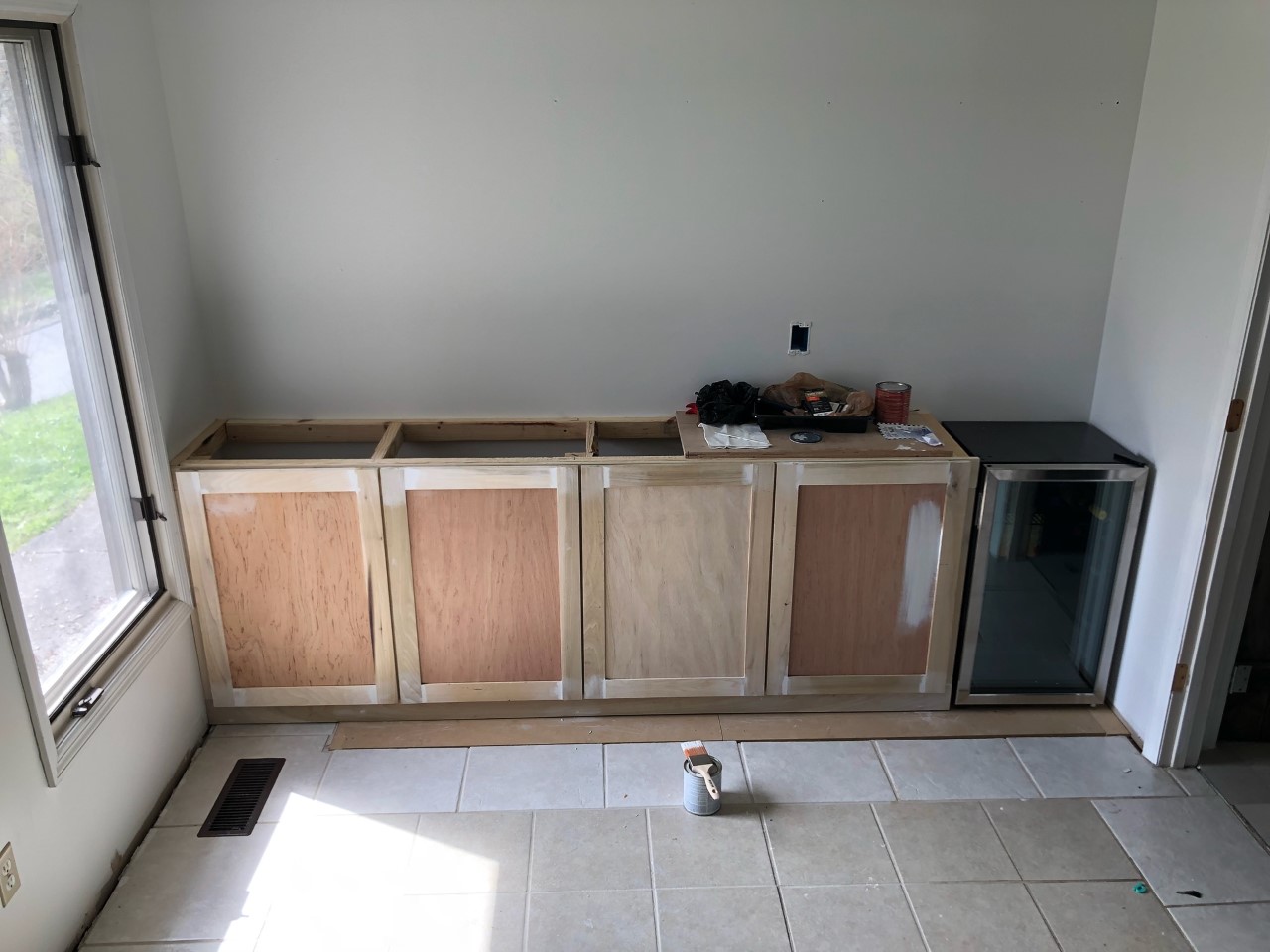
Position cabinetswhere you want them in the kitchen. Make sure each cabinet is in the correct spot. Use a level tool to check if the cabinets are straight. If not, adjust their position until they are. Cabinets need to be level to work well. Keep checking as you go. This ensures everything fits.
Secure cabinetsto the wall using strong screws. Find wall studs with a stud finder. Align the cabinets with these studs for strength. Drill screws through the cabinet’s back panel into the wall. Make sure screws are tight. This keeps the cabinet safe and secure. Double-check everything is straight and sturdy.
Maintaining Your Cabinets
Keep your cabinets looking new with regular cleaning. Use a soft cloth and mild soapwith warm water. Avoid harsh chemicals that can damage the finish. Wipe spills immediately to prevent stains. Dust weekly to maintain the shine. Ensure hinges are tight and check for loose screws.
Fix small scratches with a wood marker. Use putty for larger dents and gouges. Tighten loose handles or knobs with a screwdriver. Replace broken hinges or slides promptly. Check for water damage and seal any leaks. Ensure doors close properly; adjust if needed.

Credit: www.youtube.com
Frequently Asked Questions
How Do I Start Building Kitchen Cabinets?
Start by planning your design and measuring your space accurately. Choose quality materials and gather necessary tools. Follow step-by-step guides or instructional videos to assist your process. Finally, ensure you have sufficient time and patience for this rewarding DIY project.
What Materials Are Best For Kitchen Cabinets?
Wood, plywood, and MDF are popular choices. Solid wood offers durability and aesthetic appeal, while plywood is cost-effective and versatile. MDF provides a smooth finish for painted cabinets. Each material has unique benefits, so choose based on your budget and style preference.
Can I Build Cabinets Without Professional Help?
Yes, you can build cabinets yourself with proper guidance and tools. Plenty of online resources, including tutorials and videos, offer step-by-step instructions. Ensure you have the right tools, materials, and enough time to dedicate to the project.
How Much Do Diy Kitchen Cabinets Cost?
DIY kitchen cabinets can cost significantly less than pre-made ones. Costs vary based on materials and design complexity. Generally, you can expect to spend a few hundred dollars, but this depends on your choices and local prices.
Conclusion
Building kitchen cabinets yourself is a rewarding project. It saves money and adds a personal touch to your space. Start with a plan and gather tools. Follow each step carefully and measure twice. Remember, patience is key to success. Your effort will pay off with beautiful cabinets.
Enjoy the process and the result. The satisfaction of creating something yourself is unmatched. Share your experience with friends and inspire others. Transform your kitchen with your own craftsmanship. Happy building!