Your kitchen is the heart of your home, a space where you create meals and memories. But when your cabinets start to show signs of wear and tear, it can turn this beloved room into a source of frustration.
Imagine opening a cabinet door without hearing that annoying creak or seeing chipped paint. Picture your kitchen looking fresh and inviting again. You deserve a kitchen that functions smoothly and looks great. Fixing your kitchen cabinets can be simpler than you think, and it’s something you can tackle on your own.
This article will guide you through the process, step by step, empowering you to restore your kitchen’s charm and functionality. Keep reading to discover straightforward solutions that will transform your kitchen cabinets from worn-out to wonderful.
Common Cabinet Issues
Fixing kitchen cabinets involves addressing common issues like loose hinges or squeaky doors. Tighten screws to secure hinges. Apply lubricant to eliminate squeaks and ensure smooth operation.
Loose Hinges
Loose hinges can make cabinets hard to use. Tighten screws with a screwdriver. If screws are stripped, replace them with new ones. Use a matchstick or wood filler to help secure loose screws. Check alignment of the hinge, adjust if needed for proper closing.
Sagging Doors
Sagging doors may be due to loose hinges or heavy weight. Tighten the hinges or adjust them. Reinforce the cabinet frame if necessary. Ensure the door is not too heavy for the hinges. Use lighter materials if replacements are needed.
Scratches And Dents
Scratches and dents make cabinets look old. Use a wood filler to cover dents. Sand the area and apply touch-up paint. For scratches, use a scratch remover or polish. Keep cabinets clean to avoid further damage.
Necessary Tools And Materials
Use a hammerfor simple fixes. A screwdrivercan tighten loose screws. A tape measurehelps check sizes. A levelmakes sure surfaces are even. A drillis useful for making holes.
Get a putty knifefor filling gaps. Use wood gluefor strong bonds. A clampholds parts together. A hinge templateensures proper alignment. A cabinet jackhelps lift and hold heavy cabinets.
- Wood fillerfor fixing holes
- Sandpaperfor smoothing surfaces
- Paintor stainfor finishing
- Screwsand nailsfor assembling parts
- Hingesfor cabinet doors
Repairing Loose Hinges
Loose screws make hinges shaky. Use a screwdriver to tighten them. Check every screw carefully. Make sure they are snug. Avoid turning too hard. It can break the screw or the wood. Tight screws keep the door steady.
Old screws can wear out. Get new screws that match the old ones. Remove one old screw at a time. Replace it with a new one. This keeps the hinge in place. Check if the new screw fits well. If it’s too loose, it won’t hold.
Sometimes, hinges need extra support. Use small metal plates behind the hinge. They give more strength. Drill small holes for the plates. Screw them in place. This helps the cabinet door stay firm. Strong hinges last longer.
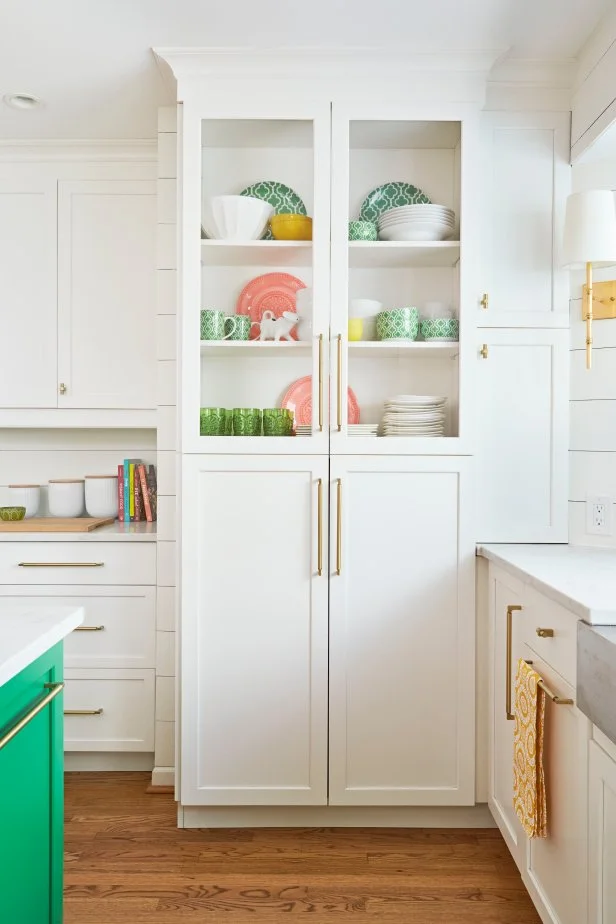
Credit: www.hgtv.com
Fixing Sagging Doors
Fixing sagging kitchen cabinet doors involves tightening hinges or replacing worn-out screws. Ensure the cabinet door is level with a spirit level. Adjust hinge screws to maintain proper alignment for smooth operation.
Adjusting Hinges
Loose hinges make doors sag. Use a screwdriver to tighten them. Check if the screws are strong. Replace weak screws with new ones. This will make doors hang better.
Using Magnetic Catches
Magnetic catches help keep doors shut. Place a catch inside the cabinet. The magnet should face the door. This keeps the door closed firmly. It also stops the door from sagging.
Replacing Door Panels
Some panels break or warp. Replace them with new panels. Measure the old panel size first. Buy one that fits the same size. Install the new panel carefully. This makes doors look new and fresh.
Addressing Scratches And Dents
Fixing kitchen cabinets with scratches and dents involves simple steps. Use wood filler to repair dents. Sand and paint over scratches for a fresh look.
Filling In Dents
Use wood filler to fix dents. First, clean the surface. Apply the filler with a putty knife. Make sure to fill the dent completely. Let it dry as per instructions. Once dry, sand it smooth. Paint over it for a seamless look.Sanding And Refinishing
Sand the cabinet surface with fine-grit sandpaper. This removes old paint and rough spots. Be gentle to avoid damage. After sanding, wipe the surface clean. Apply a fresh coat of paint or stain. Let it dry fully before using.Using Touch-up Kits
Touch-up kits can fix small scratches. These kits usually have markers or wax. Match the color with your cabinet. Apply the marker gently over scratches. Use wax for deeper marks. Buff the area to blend it well. `.png?width=337&height=232&name=Replace%20you%20Kitchen%20Cabinets%20(6).png "How to Fix Kitchen Cabinets 2")
Credit: www.jsbhomesolutions.com
Repairing Broken Drawers
Fixing kitchen cabinets involves tightening screws and adjusting hinges. Broken drawers may need new slides or a complete replacement. Regular maintenance prevents future issues and keeps cabinets functioning smoothly.
Fixing Drawer Slides
Check the drawer slidesfor damage. Loose screws cause misalignment. Tighten them with a screwdriver. If the slides are bent, replacethem. Measure the old slides for correct size. Buy new slides that match the measurements.
Replacing Drawer Parts
Inspect the drawer partsfor wear. Handles and knobs can be loose. Tighten screws with a screwdriver. If parts are broken, replace them. Find matching parts at a hardware store. Ensure they fit well with the drawer.
Reassembling Drawers
Gather all the parts for reassembly. Put each part in its place. Align the slides with the drawer. Secure the slides with screws. Test the drawer by opening and closing. Make sure it glides smoothly. Adjust if needed.
Preventive Maintenance Tips
Dust and dirt can make cabinets look old. Use a soft cloth to clean regularly. Avoid harsh chemicals that can damage the finish. Warm soapy water is a good cleaner. Dry with a clean towel to avoid water spots.
Squeaky hinges can be annoying. Use a few drops of oil to lubricate them. Open and close the door a few times. This helps the oil spread evenly. Do this once every few months for best results.
Loose screws can make doors wobbly. Check the screws often. Tighten them if they are loose. Look for any rust or damage on handles. Replace damaged parts to keep the cabinets in good shape.
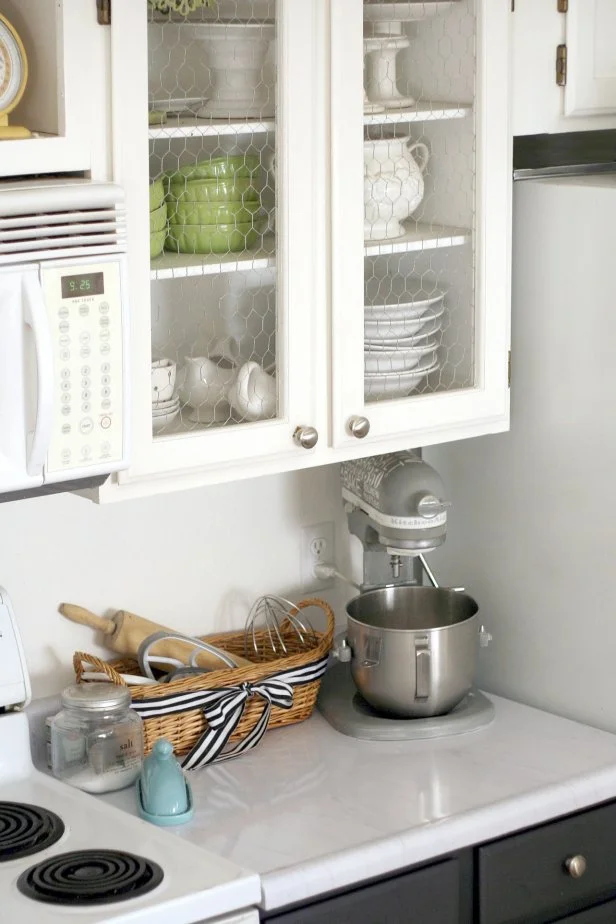
Credit: www.hgtv.com
Frequently Asked Questions
How Do I Fix Loose Cabinet Hinges?
Tighten the screws on the hinges using a screwdriver. If the screws are stripped, replace them with slightly longer screws. Ensure the cabinet door is aligned properly before tightening. This simple fix will help maintain the stability and functionality of your kitchen cabinets.
What Causes Kitchen Cabinet Doors To Sag?
Sagging doors are often due to loose hinges or worn-out screws. Over time, the weight of the door can cause strain on the hinges. Regularly check and tighten the screws to prevent sagging. Replacing worn-out hardware can also help maintain door alignment.
How Can I Repair Scratched Cabinet Surfaces?
Use a touch-up pen or wood filler to conceal minor scratches. For deeper scratches, sand the area lightly and apply matching stain or paint. Regular maintenance, such as cleaning and polishing, can help prevent further surface damage to your cabinets.
How To Fix Squeaky Cabinet Doors?
Apply a small amount of lubricant, like WD-40, to the hinges. Open and close the door several times to distribute the lubricant. If squeaking persists, check for loose screws or worn-out hinges and replace them as needed for a quieter operation.
Conclusion
Fixing kitchen cabinets can seem challenging, but it’s manageable. Start with simple tasks like tightening screws. Then, address misaligned doors by adjusting hinges. Use wood filler for minor damages. Sand and repaint for a fresh look. Consider replacing old hardware for a modern touch.
Regular maintenance prevents future problems. Keep your tools handy for quick fixes. Seek professional help for complex issues. Your kitchen will look refreshed and functional. Enjoy the satisfaction of a job well done. Remember, patience is key. Happy fixing!