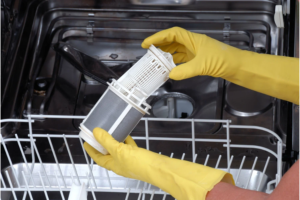
Have you noticed your KitchenAid dishwasher isn’t cleaning as effectively as it used to? You might need to give the filter some attention.
A clean filter is crucial for sparkling dishes and a smoothly running appliance. If you’ve been wondering why your dishwasher isn’t performing at its best, the answer could be right beneath your nose—or, in this case, under your appliance’s hood! Imagine a stress-free dishwashing experience where your plates, glasses, and silverware come out spotless every single time.
By taking a few simple steps to clean your KitchenAid dishwasher filter, you can transform your dishwashing woes into a thing of the past. You don’t need to be an appliance expert; you just need a little guidance and a few minutes of your time. Let’s dive into the step-by-step process that will make cleaning your dishwasher filter easy and efficient. With the right approach, you’ll extend the life of your appliance and enjoy perfectly clean dishes every time. Ready to unlock your dishwasher’s potential? Let’s get started!
Tools And Supplies Needed
Gathering the right tools is important. You will need a soft brush. This helps to clean the filter gently. A clean cloth is also necessary. It wipes away any dirt or grime. Don’t forget a bucket. It is used for rinsing the filter. A mild detergentis helpful. It removes stubborn stains. Lastly, have some warm water ready. It aids in the cleaning process.
| Tool/Supply | Purpose |
|---|---|
| Soft Brush | Gently cleans the filter |
| Clean Cloth | Wipes away dirt |
| Bucket | For rinsing |
| Mild Detergent | Removes stains |
| Warm Water | Aids cleaning |
Locating The Filter
The filter is inside your Kitchen Aid dishwasher. Open the dishwasher doorfully. Look at the bottom of the dishwasher. You will see a round or square cover. This cover hides the filter. The filter is usually in the center.
Some models have a two-part filter system. Look for both the upper and lower filters. The upper filter might twist out. The lower filter might be flat and removable. Check the user manual for exact filter location. A clean filter helps the dishwasher work better.
Removing The Filter
First, locate the filter at the bottom of the dishwasher. It’s usually near the spray arms. Turn the filter counter-clockwise to unlock it. Pull it straight up to remove it. Be gentle to avoid breaking any parts. Check the filter for food particles or debris.
Rinse the filter under warm water. Use a soft brush to clean the mesh. Ensure all debris is gone. Look for any clogs or blockages. If needed, soak the filter in warm, soapy water for a few minutes. Dry the filter completely before putting it back.
To replace the filter, align it with the slots. Turn it clockwise until it locks into place. Make sure it fits snugly. A loose filter can cause problems. Test the dishwasher to ensure proper function. Regular cleaning keeps the dishwasher running well.
Cleaning Techniques
To clean the Kitchen Aid dishwasher filter, first, locate the filter at the bottom of the dishwasher. Twist and remove it carefully to rinse under warm water. Use a soft brush to scrub away debris, ensuring a thorough clean before reassembling it back into the dishwasher.
Using Soap And Water
First, remove the filter from the dishwasher. Rinse it under warm water. Use mild soap to clean it. Gently scrub with your fingers. Make sure all dirt and food particles are gone. Rinse again with warm water. Dry the filter with a soft cloth.
Utilizing A Soft Brush
Use a soft brush for cleaning. A toothbrush works well. Scrub the filter gently. Focus on small holes and crevices. This helps remove hidden dirt. Rinse the filter well after brushing. Let it dry completely before putting it back.
Dealing With Stubborn Residue
Sometimes, residue is tough to remove. Soak the filter in warm soapy water. Leave it for 10 minutes. Use the brush again to scrub. Vinegar can help with stubborn spots. Rinse thoroughly and dry the filter. Make sure no soap is left behind.
Drying The Filter
Remove the filter from the dishwasher. Rinse it with warm water. Use a soft cloth to pat it dry. Make sure there are no water drops left. Place the filter on a clean towel. Allow it to air dry completely. This helps prevent any mold or bad smell. Ensure it is fully dry before putting it back. A wet filter can cause problems later. Be careful while handling the filter. It’s a small but important part of the dishwasher.
Credit: www.diychatroom.com
Reinstalling The Filter
Place the clean filterback into the dishwasher. Make sure it fits well. The filter should be in the same spot as before. Tighten it gently but firmly. This prevents any leaks or loose parts.
Check if the filter is locked securely. If it feels loose, adjust it again. A loose filter can cause problems. It might let food bits into the dishwasher pump.
Close the dishwasher door. Run a quick cycle to test the filter. Listen for any strange noises. If you hear any, check the filter again.
Remember, a clean filter helps the dishwasher work better. It keeps dishes sparkling clean. Always reinstall the filter after cleaning. This keeps your dishwasher running smoothly.
Maintaining Your Dishwasher
Cleaning the Kitchen Aid dishwasher filter ensures optimal performance. Begin by removing the lower dish rack for easy access. Gently twist and lift the filter out, then rinse it under warm water to remove debris. Regular maintenance helps prevent clogs and keeps your dishwasher running smoothly.
Regular Cleaning Schedule
Set a reminder for cleaning every month. Remove food bits from the filter. Rinse it under warm water. Use a soft brush to scrub gently. A clean filter helps the dishwasher work better. It keeps dishes shiny and new.
Checking For Damage
Inspect the filter for any cracks or breaks. A damaged filter might not work right. Replace it if you see any damage. This ensures your dishwasher runs smoothly. Keep an eye out for any unusual noises.
Using Dishwasher Cleaner
Choose a dishwasher cleaner from the store. Pour it into the dishwasher. Run a hot water cycle. This removes grease and smells. It keeps the dishwasher fresh and clean. Use it every few months for the best results.

Credit: www.youtube.com
Troubleshooting Common Issues
Regularly cleaning the Kitchen Aid dishwasher filter can prevent common issues. Remove the filter, rinse with warm water, and use a soft brush to clear debris. Proper maintenance ensures efficient performance and prolongs the lifespan of your appliance.
Persistent Odors
A dirty filter can cause bad smells. Food particles get stuck in the filter. These particles rot over time. This creates an unpleasant smell. Cleaning the filter will help. Rinse the filter with warm water. Use soap to scrub the filter. This removes food and grease.
Filtration Problems
Dishwasher filters keep water clean. Sometimes, they get clogged. This happens with large debris and food bits. It blocks water flow. Clean the filter regularly. Check the filter for clogs. Rinse it under running water. Inspect for any leftover debris. This helps the dishwasher work better.
Unusual Noises
Filters can cause strange sounds. Loose filters or blockages are common reasons. These noises are annoying. Tighten loose parts. Remove any debris inside. This will reduce unusual sounds. Listen for changes while the machine runs. If noises persist, check for broken parts.

Credit: www.tiktok.com
Frequently Asked Questions
How Often Should I Clean My Kitchen Aid Dishwasher Filter?
It’s recommended to clean your Kitchen Aid dishwasher filter every month. Regular cleaning prevents clogs and ensures optimal performance. A clean filter enhances water flow and improves washing efficiency. Check the filter more often if you notice reduced cleaning power.
Can I Use Vinegar To Clean The Filter?
Yes, vinegar is effective for cleaning dishwasher filters. It helps dissolve grease and removes odors. Simply soak the filter in a vinegar solution for 15 minutes. Rinse thoroughly with water afterward to ensure it’s clean and ready to use.
What Tools Are Needed For Filter Cleaning?
You only need basic tools to clean the dishwasher filter. A soft brush or toothbrush helps remove debris. Additionally, warm water and mild soap are useful for effective cleaning. Ensure you have a towel to dry the filter after cleaning.
Why Is My Dishwasher Filter Clogged?
Dishwasher filters often clog due to food particles and grease buildup. Hard water deposits can also cause clogging over time. Regular cleaning prevents these issues and ensures efficient operation. Consider pre-rinsing dishes to reduce debris entering the filter.
Conclusion
Cleaning your KitchenAid dishwasher filter is simple and important. A clean filter helps your dishwasher work better. It also makes your dishes cleaner. Follow the steps regularly for best results. This helps avoid clogs and bad odors. Spend a few minutes every month on this task.
You’ll see the difference in your kitchen cleanliness. And enjoy a smoothly running dishwasher. With these easy steps, you can maintain your dishwasher’s efficiency. Keep your kitchen running smoothly with this simple routine. Happy cleaning!