
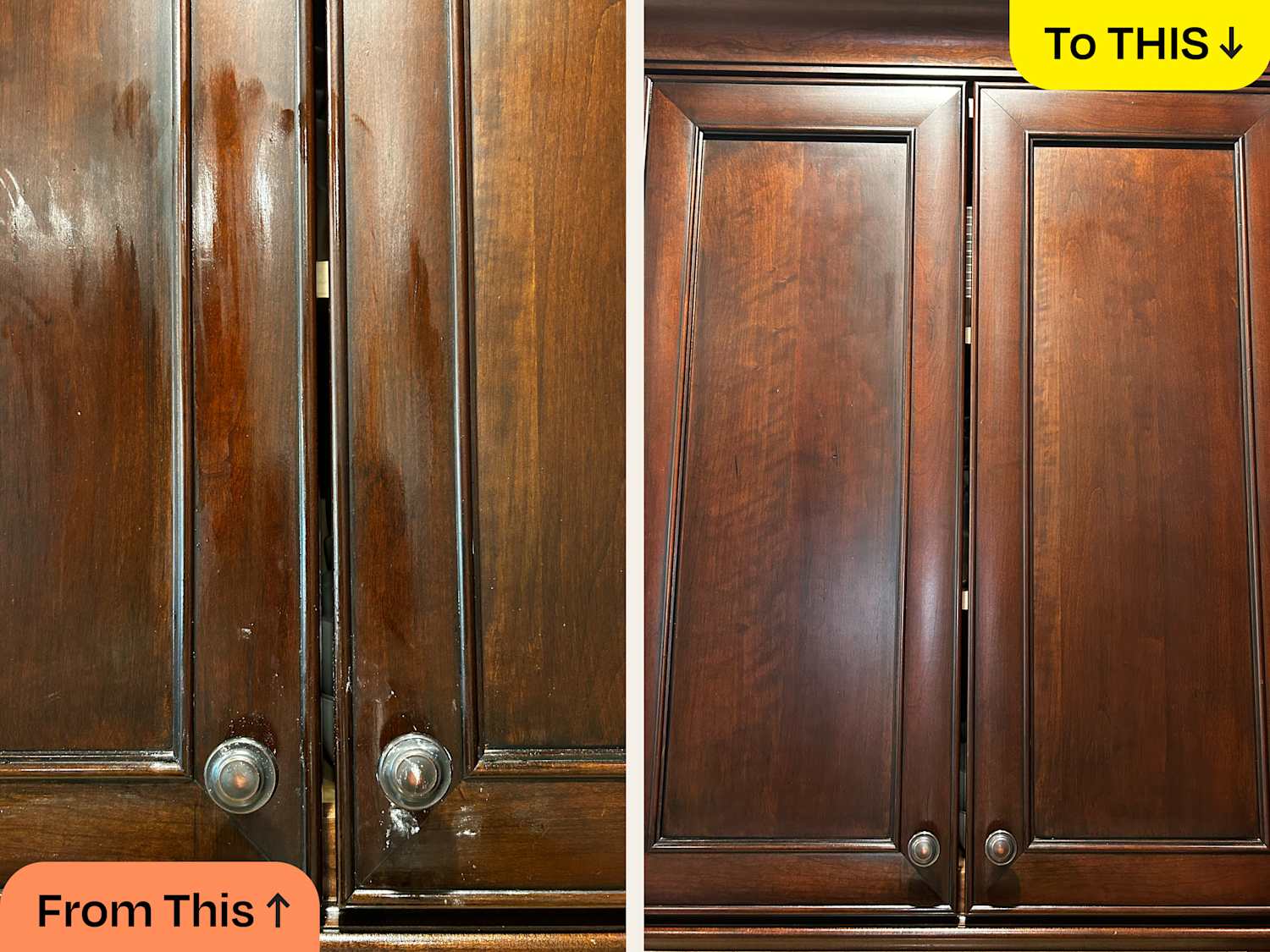
Are sticky kitchen cabinets driving you crazy? You’re not alone.
Those stubborn grime spots can make your whole kitchen feel untidy. But don’t worry, there’s a solution! Picture your kitchen gleaming with cleanliness, inviting you to cook up delicious meals with ease. Imagine opening a cabinet without the annoying stickiness slowing you down.
We’ll reveal simple, effective methods to clean those sticky surfaces. You’ll discover easy techniques that will leave your cabinets looking brand new. Say goodbye to frustration and hello to a fresh, spotless kitchen. Keep reading to transform your cabinets from sticky nightmares to pristine beauties.
Causes Of Sticky Cabinets
Sticky cabinets can be a common problem in kitchens. Grease from cooking often gets on surfaces. Dust mixes with the grease over time. This creates a sticky layer on cabinets. Using too much oil in recipes can cause this. Steam from boiling pots also adds moisture. It settles on cabinet surfaces. This can lead to stickiness.
Spilled food or drink may drip onto cabinets. Not cleaning them immediately can cause build-up. Many kitchen activities contribute to sticky cabinets. Regular cleaning can help prevent this. Use gentle cleaners for best results. Avoid harsh chemicals as they can damage surfaces.
Credit: www.thekitchn.com
Essential Cleaning Supplies
Cleaning sticky kitchen cabinets is simple. Gather a few essential supplies first. You will need warm water and mild dish soap. These are key to remove grease. Have a soft cloth or sponge ready. This will help scrub without scratches. A soft-bristled brush is useful for corners. Keep white vinegar nearby. It breaks down sticky residue well. Baking soda can tackle tough spots. Combine it with vinegar for extra power. Lemon juice is great for freshness. Olive oil can polish the wood surface. Remember to have paper towels handy. This will keep your area clean. These simple supplies will make your cabinets shine.
Preparing Your Cabinets
Remove all items from the cabinets. Place them on a table or counter. This makes cleaning easier and faster. Check each item for dirt or spills. Wipe off any sticky residue. Ensure all surfaces are clear and empty. This prevents any damage during cleaning.
Use cloths or newspapers to cover nearby surfaces. This keeps them safe from cleaning splashes. Tape plastic sheets to the floor. This prevents slipping or staining. Make sure walls are covered too. Protecting areas saves time and effort later.

Credit: www.facebook.com
Natural Cleaning Methods
Mix vinegar and water in equal parts to remove sticky residue from kitchen cabinets. Apply the solution with a soft cloth, gently wiping down surfaces. For stubborn spots, a baking soda paste can be used as a natural scrub.
Using Vinegar And Water
Mix equal parts of vinegarand waterin a spray bottle. Spray the mixture on sticky cabinets. Let it sit for a few minutes. Wipe off with a soft cloth. The vinegar helps cut grease and grime. This solution is safe for most surfaces. It is also eco-friendlyand non-toxic.
Baking Soda Paste
Mix baking soda with water to make a paste. Apply the paste to sticky areas with a sponge. Rub gently to remove dirt and stains. Baking soda acts as a mild abrasive. It is great for tough spots and does not scratch surfaces. Rinse with clean water and dry with a towel.
Commercial Cleaners
Tackle sticky kitchen cabinets with ease using commercial cleaners. Begin by spraying the cleaner onto the cabinet surface. Gently scrub with a soft cloth or sponge to remove grease and grime. Rinse with warm water and dry thoroughly for a spotless finish.
Degreaser Products
Grease can make cabinets sticky and dirty. Degreaser productsare special cleaners. These cleaners break down tough grease. Use a soft cloth to apply the degreaser. Gently rub the surface of the cabinets. Watch as the grease disappears.
Cabinet-specific Solutions
Some cleaners are made just for kitchen cabinets. These are called cabinet-specific solutions. They are gentle and safe. Spray the cleaner on the cabinets. Wipe it off with a clean cloth. Cabinets will look shiny and new.

Credit: www.facebook.com
Step-by-step Cleaning Process
Choose a gentle cleaner that suits kitchen surfaces. Spray the cleaner on the cabinets. Ensure the cleaner covers all sticky areas. Leave it to sit for a few minutes. This helps loosen the grime. Avoid using harsh chemicals. They can damage the cabinet finish.
Use a soft sponge or cloth. Scrub in small circles. Focus on sticky spots. Apply gentle pressure to remove grime. Avoid scrubbing too hard. It can scratch the surface. For tough spots, use a toothbrush. It helps reach tight corners.
Rinse cabinets with clean water. Use a damp cloth for rinsing. Wipe away any cleaner residue. Dry with a soft towel. Ensure no water remains on the surface. Moisture can damage the wood. Open cabinet doors to air dry. This prevents mold growth.
Maintaining Clean Cabinets
Sticky kitchen cabinets need regular cleaning. Wipe surfaces with a mix of warm water and mild dish soap. Use a soft cloth to remove grime gently, ensuring cabinets stay fresh and spotless.
Regular Dusting
Dusting keeps cabinets free from sticky dirt. Use a soft cloth for this. Microfiber cloths work best as they trap dust. Dust cabinets at least once a week. This prevents buildup of sticky grime. Pay attention to corners and handles. They collect more dust than other areas.
Monthly Deep Cleaning
Deep cleaning helps remove stubborn stains. Use a gentle cleaner for this task. Mix a few drops of dish soap in warm water. Dip a sponge or cloth in the solution. Gently scrub the cabinet surfaces. Rinse with clean water to remove soap. Dry with a clean towel to prevent water spots.
Preventing Future Stickiness
Cleaning sticky kitchen cabinets helps prevent future stickiness. Regularly wipe cabinets with a damp cloth. Use mild soap to remove grime and oils. Keep surfaces dry to avoid residue buildup.
Ventilation Tips
Keep the kitchen airy. Open windows for fresh air. Use a fan to reduce moisture. Install a range hoodover the stove. This helps in removing steam and smoke. Check that the fan is working well. Clean the fan regularly for better performance. Avoid boiling water for too long. Boiling creates steam which sticks to cabinets.
Proper Storage Practices
Store food in airtight containers. This keeps spills away from cabinets. Clean containers before placing them back. Wipe jars and bottles if they are sticky. Arrange items neatly inside cabinets. Do not overfill the cabinets. Overfilling can cause items to spill. Keep a cloth handy for quick clean-ups. This prevents stains from setting.
Frequently Asked Questions
How Do I Clean Sticky Cabinets Easily?
To clean sticky kitchen cabinets, mix equal parts of vinegar and water. Apply the solution with a soft cloth. Gently scrub the sticky areas. For tough spots, use baking soda paste. Rinse with clean water and dry thoroughly. This method is effective and safe for most cabinet surfaces.
What Causes Kitchen Cabinets To Become Sticky?
Sticky kitchen cabinets often result from cooking oils, grease, and dust accumulation. These substances mix over time, creating a sticky residue. Regular cleaning can prevent buildup. Using a degreasing cleaner or vinegar solution helps maintain cleanliness. Proper ventilation while cooking also reduces grease accumulation on cabinets.
Can I Use Vinegar On Wooden Cabinets?
Yes, vinegar is safe for most wooden cabinets when diluted. Mix equal parts of vinegar and water. Use a soft cloth to clean the surfaces gently. Avoid soaking the wood, as excess moisture can damage it. Dry the cabinets thoroughly after cleaning to prevent water damage or warping.
How Often Should I Clean Kitchen Cabinets?
Clean kitchen cabinets every two weeks to prevent sticky buildup. Regular maintenance helps avoid stubborn stains and keeps them looking fresh. Wipe them with a gentle cleaner or vinegar solution. Additionally, deep clean them every few months to maintain their appearance and prolong their lifespan.
Conclusion
Cleaning sticky kitchen cabinets doesn’t have to be hard. Use simple methods. Warm water and mild soap work wonders. Wipe gently to avoid damage. Vinegar can help dissolve stubborn grease. Baking soda is great for tough spots. Always dry cabinets after cleaning.
This prevents moisture damage. Regular cleaning keeps cabinets looking fresh. And helps maintain their shine. Try these tips today for a cleaner kitchen. Enjoy a brighter, fresher cooking space. Clean cabinets make a big difference. Happy cleaning!