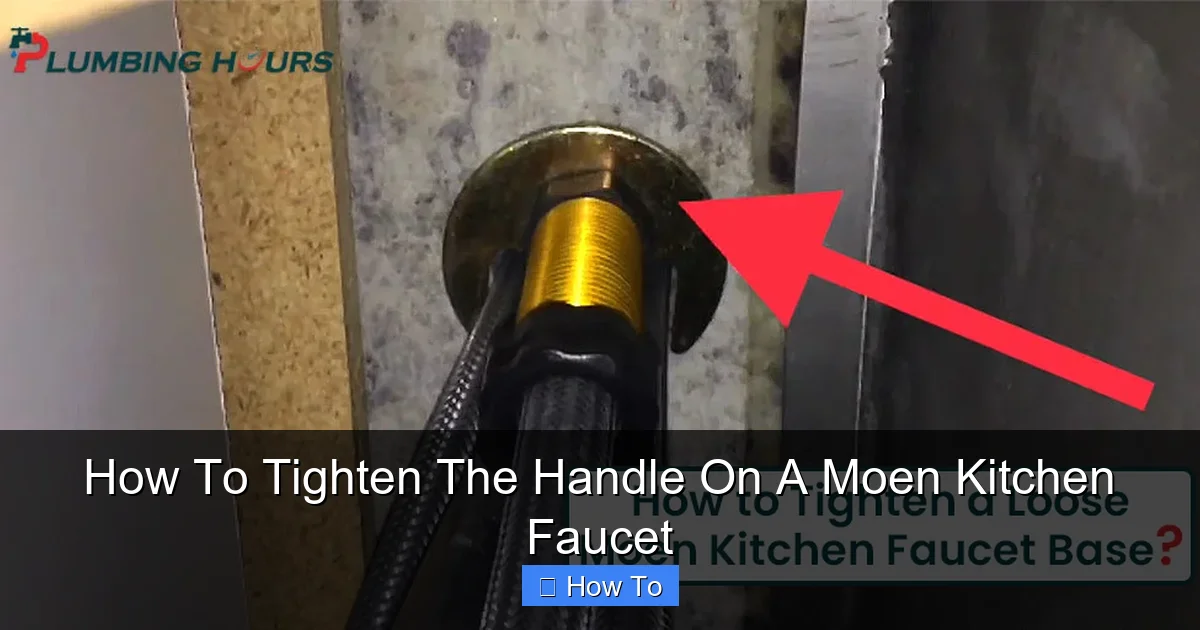
Is your kitchen faucet handle feeling a bit loose and wobbly? This common issue can quickly turn from a minor inconvenience into a frustrating problem.
Imagine reaching for the faucet, only to have the handle spin uselessly in your hand. But here’s the good news: you can fix it yourself, saving time and money. In this guide, you’ll discover simple steps to tighten your kitchen faucet handle, restoring its firm functionality.
Whether you’re a DIY enthusiast or just looking to handle a small home repair, this article will equip you with the knowledge you need. Stay with us, and you’ll soon have your faucet handle working perfectly again, making your kitchen routine smoother and more efficient.
Identifying Loose Faucet Handles
Loose handles can cause water problems. Check the handle movement. A wobbly handle needs fixing. Inspect the screw under the handle. Tighten it if loose. Check the valve inside the faucet. A loose valve affects water flow. Use a wrench to tighten the valve. Listen for strange sounds when using the faucet. Odd sounds mean something is loose. Examine the base of the handle. Look for cracks or damage.
If you find a problem, fix it soon. Avoid force when tightening screws. Using force can break parts. Be gentle with tools. Replace damaged parts if needed. New parts help the faucet work well. Ask for help if unsure. A plumber can assist. Regular checks keep handles tight. Prevent leaks by checking often.
Gathering Necessary Tools
Make sure you have all the tools ready. A screwdriver is essential. It helps in opening the faucet handle. You also need a wrench. This is useful for turning tight nuts. A flashlight can be handy. It helps to see in dark places. A towel is good too. It keeps the area dry and clean.
Here are the tools you might need:
- Screwdriver:For removing screws.
- Wrench:To tighten or loosen nuts.
- Flashlight:To see better in dark areas.
- Towel:To dry and clean the work area.
Always have these tools nearby. It makes the job easier and faster. With these tools, fixing the faucet becomes simple. Follow each step carefully. This ensures safety and success. Good luck with your task!
Shutting Off Water Supply
First, locate the valvesunder the sink. These control the water flow. Turn them clockwise to stop the water. Ensure both hot and cold water are shut off. This prevents any leaks while you work.
If the valves are stuck, use a clothfor grip. Be gentle to avoid damage. After shutting off the water, turn the faucet handle. Check if water still flows. If it does, the valves might need replacement.
Always keep a buckethandy. It catches any remaining water in the pipes. This keeps your kitchen dry and clean. Double-check the valves before proceeding. Properly shutting off the water is crucial.
Accessing The Handle Mechanism
First, make sure the water is off. Check the knobs or valves under the sink. This will prevent water from flowing. Next, find the screw or cap on the faucet handle. Use a screwdriver to remove it. This might be under a decorative cap. Look carefully to find it. Once removed, you can see the handle mechanism.
Now, tighten the screw inside. Use a wrench or screwdriver. Turn it slowly until it is snug. Be careful not to over tighten. This can damage the handle. Test the handle by turning it on and off. It should move smoothly now. If not, check if you missed anything. Repeat if necessary.
Tightening The Faucet Handle
First, find the screw on the faucet handle. It’s often under a small cap. Use a flat screwdriver to lift the cap off carefully.
Once visible, use a screwdriver to tighten the screw. Turn it clockwise for a snug fit. Be gentle to avoid stripping the screw.
If the handle is still loose, check for other screws. Some faucets have more than one screw.
Ensure each screw is tight. This might solve the problem. If not, consider replacing the screws. They may be worn out.
For faucets with valves, turn off the water supply. This prevents leaks while you work.
Reattach the cap once done. Test the handle to ensure it’s secure. Repeat if necessary for a tight fit.
Testing For Stability
Check if the faucet handle is loose or tight. Turn the handle gently. Feel for any wobbling or shaking. A stable handle should stay firm. If it moves too much, it might need tightening. Use your fingers to test the handle’s steadiness. A loose handle can cause leaks. It may also damage the faucet.
Examine the base of the faucet. Look for any gaps or spaces. A tight connection should have no visible gaps. If there are gaps, the handle might be loose. This can lead to water escaping. A well-tightened handle prevents leaks. It keeps the kitchen dry and tidy.
Frequently Asked Questions
How Do I Know If My Faucet Handle Is Loose?
A loose faucet handle often wobbles or turns without resistance. You might notice water leaks or difficulty in turning it off completely. Regularly checking for these signs can prevent further issues.
What Tools Do I Need To Tighten A Faucet Handle?
To tighten a faucet handle, you’ll need a screwdriver and an Allen wrench. These tools help access and tighten the screws or bolts. Ensure you have the right size for your specific faucet model.
Can I Tighten The Faucet Handle Without A Plumber?
Yes, you can tighten a faucet handle without a plumber. Follow a simple step-by-step guide, using basic tools like a screwdriver. Make sure to turn off the water supply before starting.
Why Does My Faucet Handle Keep Getting Loose?
A faucet handle may loosen due to regular use, vibrations, or worn-out screws. Over time, these factors can cause the handle to wobble. Regular maintenance can help prevent this issue.
Conclusion
Tightening a kitchen faucet handle is simple. Just follow a few steps. Start by turning off the water supply. Unscrew the handle carefully. Check for loose screws or worn parts. Tighten screws or replace parts if needed. Test the handle after reassembling.
It should move smoothly. Regular maintenance can prevent future issues. A secure handle means less water leaks. Save time and money by fixing it yourself. Keep your kitchen efficient and tidy. Enjoy cooking without any faucet worries. A little effort goes a long way in home maintenance.