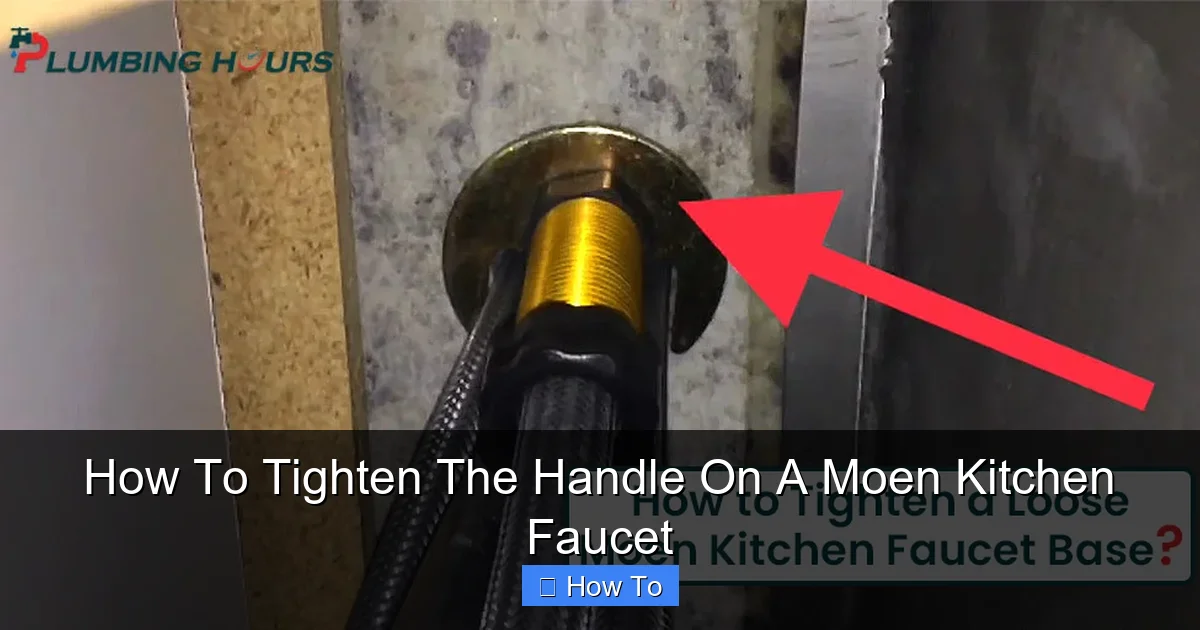
Are you tired of cluttered countertops and dreaming of a more organized kitchen space? Installing a kitchen cabinet base could be your perfect solution.
Imagine having a designated spot for every pot, pan, and kitchen gadget, making your cooking experience smoother and more enjoyable. You don’t need to be a professional carpenter to achieve this transformation; with the right guidance, you can do it yourself and save money.
You’ll discover simple steps to install a kitchen cabinet base that will elevate your kitchen’s functionality and aesthetic appeal. Ready to roll up your sleeves and get started? Let’s dive in and turn your kitchen into a space that not only looks great but also works perfectly for you.
Tools And Materials Needed
Installing a kitchen cabinet base is easy with the right tools. You need a drill and a screwdriver. A level ensures the cabinet is straight. Use a tape measure for accurate dimensions. Wood screws secure the cabinet to the wall.
Gather materials like cabinet shims for adjustments. Wood glue helps with stability. A stud finder locates wall studs. This is important for firm attachment. Safety gear like gloves and goggles protects you.
Ensure you have a pencil for marking spots. A square checks corners. A hammer assists in adjustments. Sandpaper smooths rough edges. These tools make your work easier.
Preparing The Kitchen Space
Clear the kitchen area of any obstacles. Ensure there is enough space to work. Remove old cabinets if necessary. Use a tape measure to check the dimensions of the area. Make sure the floor is level. This prevents the cabinet from tilting.
Mark the wall where the cabinet will go. Use a pencil and a level. This will guide you in aligning the cabinet. Locate the wall studs using a stud finder. Mark their positions for secure installation. Have all your tools ready before starting.
- Gather a screwdriver, drill, and measuring tape.
- Keep screws and brackets within reach.
- Wear safety glasses to protect your eyes.
Measuring And Marking
Find a tape measure and a pencil. Measure the widthof your cabinet space. Write down the number. Measure the heightfrom the floor to the cabinet top. Write that number too. Look for any pipes or wires. Mark where they are. Use a level to check if the floor is flat. If not, you might need shims later. Now, it’s time to mark the spots. Draw lines on the wall. These lines help guide the cabinet. Make sure they are straight. Double-check your marks. It’s important they are accurate. This helps the cabinet fit well.
Assembling The Cabinet Base
Lay out all parts on the floor. Check if you have everything needed. Use the instruction manual for reference. Connect the side panels to the bottom panel. Ensure they fit tightly. Secure them with screws. A screwdriver will help here. Attach the back panel next. Make sure it’s aligned properly. Tighten the screws firmly.
Put the cabinet base upright. Check if it’s stable. Adjust if necessary. Add the top panel last. Align it well before screwing it down. Double-check your work. Every part should be secure. Your cabinet base is ready for use.
Securing The Cabinet Base
First, make sure the floor is level. Use a spirit levelto check. If not, adjust the cabinet legs. Place the cabinet on the marked spot. Ensure it fits well and is steady.
Next, drill holes through the back of the cabinet. Use a drilland screws to attach it to the wall. Make sure the screws are tight. Check the cabinet is secureand does not wobble.
Finally, attach the cabinet to nearby cabinets. Use clamps to hold them together. Screw through the side panels. This ensures the cabinets are aligned and stable.
Final Adjustments And Finishing Touches
Check the cabinet doors. They should open and close smoothly. Adjust hinges if needed. Ensure they are tight and secure.
Inspect the cabinet’s surface. Look for scratches or marks. Use a gentle cleaner for spots. Polish the wood to make it shine. This adds a nice touch.
Verify the cabinet is level. Use a spirit level for accuracy. Uneven cabinets can cause problems. Adjust the legs if necessary.
Install handles or knobs. Pick ones that match your kitchen style. Use a screwdriver for this task. Make sure they are firmly attached.
Organize the inside of the cabinet. Place shelves in desired positions. Use baskets or dividers for better storage. This keeps items tidy and easy to reach.
Frequently Asked Questions
How Do I Prepare The Area For Installation?
First, clear the space where the cabinet will be installed. Ensure the floor is level and clean. Measure the area accurately to match the cabinet dimensions. Mark the wall for the cabinet’s position, considering plumbing and electrical outlets. This preparation ensures a smooth installation process.
What Tools Are Needed To Install A Cabinet Base?
You’ll need a drill, level, screwdriver, measuring tape, and pencil. A stud finder is also helpful to locate wall studs. Use clamps to hold the cabinet in place during installation. Having these tools ready ensures an efficient and successful installation process.
How Do I Ensure The Cabinet Is Level?
Place a level on top of the cabinet during installation. Adjust the cabinet’s position until it’s perfectly level. Use shims if necessary to correct any unevenness. Double-check with the level at different angles to confirm. A level cabinet ensures proper function and aesthetic appeal.
How Do I Secure The Cabinet To The Wall?
Locate wall studs using a stud finder and mark them. Drill pilot holes through the cabinet into the wall studs. Secure the cabinet with screws, ensuring it’s firmly attached. Check alignment and adjust if needed. Properly securing the cabinet prevents accidents and ensures durability.
Conclusion
Installing a kitchen cabinet base is easier than it seems. Follow the steps carefully, and you’ll have a sturdy cabinet. Double-check your measurements for accuracy. Use the right tools for smooth installation. Work patiently to avoid mistakes. Remember, practice makes perfect.
With these guidelines, you can enhance your kitchen’s look. A well-installed cabinet adds value to your home. Enjoy the satisfaction of a job well done. Keep learning and improving your skills. Your kitchen will look great and functional. Happy installing!