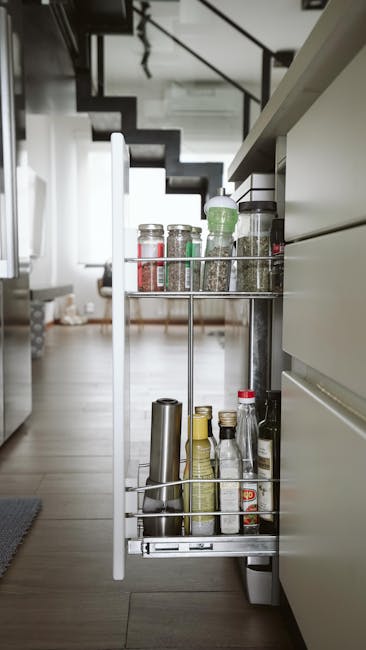
Are you tired of struggling with that stubborn kitchen drawer that just won’t budge? You’re not alone.
Knowing how to pull out a kitchen drawer safely and efficiently can save you time, frustration, and even prevent potential damage. Imagine the satisfaction of finally accessing that hidden space with ease. This guide will walk you through the simple steps to master this task, giving you the confidence and skill to tackle other household challenges.
Stick around, and you’ll discover tips and tricks that will turn this daunting chore into a breeze. Ready to transform your kitchen experience? Let’s dive in!
Tools Needed
Removing a kitchen drawer can be simple with the right tools. First, you’ll need a screwdriver. This helps to remove any screws holding the drawer. A flashlightis useful to see inside dark corners. Sometimes, a putty knifecan help if the drawer is stuck. It can slide between the drawer and cabinet. Keep a raghandy. It helps to clean any dust or dirt.
Safety is important. Wear glovesto protect your hands. If the drawer is heavy, ask someone to help. Working together makes it easier.
- Screwdriver
- Flashlight
- Putty Knife
- Rag
- Gloves
These tools make the job quicker. Always check your tools before starting.
Identifying Drawer Type
To pull out a kitchen drawer, first know its type. There are different typesof drawer slides. Some have metal runnerson the sides. Others use wooden groovesor tracks. Look inside the drawer for the slide mechanism. Check if there are release leversor clips.
For side-mounted slides, feel for a lever or button. Press or lift it gently. For under-mounted slides, check the bottom for tabs. Push or pull them to release. Without levers, pull the drawer firmly. Use steady pressure, not force.
Each type requires a different approach. Recognizing the type helps avoid damage. This ensures a smooth removal. Always handle with care.
Safety Precautions
Always wear gloves to protect your hands. Use a flashlight to see better in dark spaces. Make sure the area is clear of obstacles. Ask an adult for help if needed. Keep pets and children away from the area. Check for any loose screws before starting. Ensure the drawer is empty to avoid accidents. Never use excessive force when pulling. Slowly pull the drawer straight out. Be ready for unexpected movements or falls. Keep tools like screwdrivers nearby if required. Make sure to follow instructions specific to your drawer type. Double-check that the drawer is properly aligned. Reattach any parts carefully after removal.
Removing Standard Drawers
First, open the drawer fully. Look for clips or latches inside. These keep the drawer in place. Press them gently to release the drawer. Pull the drawer slowly and evenly. Sometimes drawers have a track underneath. Check if there’s a lever to lift. If it’s stuck, don’t force it. Look for screws that might need loosening.
Be sure to hold the drawer steady. It can be heavy and awkward. Once removed, inspect the tracks for dirt or damage. Clean them with a damp cloth. This helps the drawer slide smoothly later. Always handle with care to avoid breaking.
Handling Soft-close Drawers
Soft-close drawers can be tricky to open. They have special mechanisms. First, pull the drawer gently. Avoid pulling too hard. It might damage the soft-close feature. Next, check the sides of the drawer. Look for small clips or latches. These hold the drawer in place. Carefully push the clips. This releases the drawer.
Once released, pull the drawer straight. Watch for any resistance. If stuck, check again for clips. They might be tight. Pull evenly on both sides. This keeps the drawer balanced. After removing, inspect the rails. Clean any dust or dirt. This helps the drawer slide better.
Remember, soft-close drawers need care. Handle them gently. Avoid force or pressure. This keeps the mechanism working well. If unsure, ask for help. Sometimes drawers need expert attention.
Reinstalling The Drawer
First, ensure the drawer slides are clean and not damaged. Align the drawer with the slides carefully. Push the drawer gently into the cabinet. Listen for a click to ensure it’s secured. Check if the drawer moves smoothly. If not, adjust the alignment.
Make sure the drawer is level. If it’s not, adjust the slides. Use a screwdriver to tighten any loose screws. Test the drawer again. It should open and close easily. If it sticks, check for obstructions. Remove any items that block the path.
Consider lubricating the slides for smoother movement. Use a small amount of lubricant. Avoid using too much to prevent mess. Finally, ensure the drawer is secure and stable. It should not wobble or tilt. Now, your drawer is ready for use.
Frequently Asked Questions
How Do I Remove A Stuck Drawer?
To remove a stuck drawer, gently wiggle it side to side while pulling. Check for any obstructions or screws. If needed, use a flat tool to loosen any clips or catches. Ensure you’re using minimal force to avoid damage.
What Tools Are Needed To Pull Out A Drawer?
You typically need a screwdriver and possibly a flat tool. A flashlight can help to see inside. Check your drawer’s mechanism for specific tools. Always use the appropriate tools to avoid damaging the drawer or its components.
Can I Remove A Drawer Without Damaging It?
Yes, you can remove a drawer without causing damage. Carefully follow the drawer’s mechanism instructions. Avoid using excessive force. Check for clips or latches, and ensure you’re pulling evenly. Using the correct tools can help prevent any damage.
Why Won’t My Kitchen Drawer Come Out?
A drawer might not come out due to obstructions or latches. Check for any screws, clips, or catches. Ensure the drawer is level and free from debris. Follow the specific mechanism instructions for safe removal without issues.
Conclusion
Successfully removing a kitchen drawer is simpler than you think. Follow the steps carefully for smooth results. Grip the drawer firmly and pull gently. Listen for clicks or stops. If stuck, check for safety locks or screws. Take your time and avoid forcing it.
Practice makes perfect, and soon you’ll be confident in your skills. Remember to keep tools handy for easy adjustments. Share these tips with friends or family. A well-maintained kitchen means a happy cooking space. Enjoy your organized and efficient kitchen.
Keep learning and improving your home skills.