Are ants marching across your kitchen countertops, turning mealtime into a tiny battleground? You’re not alone.
Many homeowners face the relentless invasion of these persistent pests. But don’t worry—you’re about to discover simple yet effective ways to keep your kitchen ant-free. Imagine opening your pantry without the fear of finding uninvited guests nibbling away at your crumbs.
This guide will provide you with the tools and tricks to reclaim your space from these pesky invaders. Dive in to learn how you can protect your kitchen and enjoy a pest-free home once again.
Identifying Common Ant Types
Ants can be tricky to identify. The Argentine ant is small and light brown. They love sugar and sweet foods. The Carpenter ant is bigger and black or red. They can damage wood. The Odorous house ant smells bad when crushed. They are dark brown or black. The Pharaoh ant is tiny and yellow. They like greasy foods.
Knowing the types helps in fighting them. Each type has different habits. Keep the kitchen clean to keep ants away. Use baits that match their food preference. Seal cracks to stop their entry. Identifying ants is the first step in control. Observe their trails to learn more.
Natural Repellents
Mix equal parts of vinegarand water. Spray on ant trails. Vinegar smell scares ants away. It also cleans the surfaces. Refresh the spray daily for best results.
Squeeze fresh lemon juicearound entry points. The scent confuses ants. They lose their trail. Lemon juice also leaves a fresh smell in your kitchen.
Sprinkle cinnamon powdernear ant paths. Ants dislike the strong smell. It acts as a barrier. You can also use cinnamon oil. Dab it on cotton balls and place them near ant entries.
Add a few drops of peppermint oilto water. Spray it in areas where ants gather. The strong minty scent deters ants. Refresh the spray every few days.
Draw a line with chalkwhere ants enter. Chalk disrupts their scent trail. Ants won’t cross it. It’s a simple and clean solution.
Chemical Solutions
Chemical solutions can effectively repel ants in the kitchen. Vinegar mixed with water disrupts their scent trails. Spraying this mixture in entry points keeps ants away.
Use Ant Sprays
Ant sprays are effective to repel ants. Spray in corners and near cracks. Follow instructions on the label. Keep sprays away from food. Use sprays when the kitchen is empty.
Ant Baits
Ant baits attract ants and poison them. Place baits near ant trails. Keep baits away from children and pets. Baits work over time. Replace baits regularly for best results.
Insecticide Powders
Powders can kill ants quickly. Sprinkle powder near entry points. Avoid contact with food surfaces. Use gloves when handling powders. Read labels for safety tips.
Sealing Entry Points
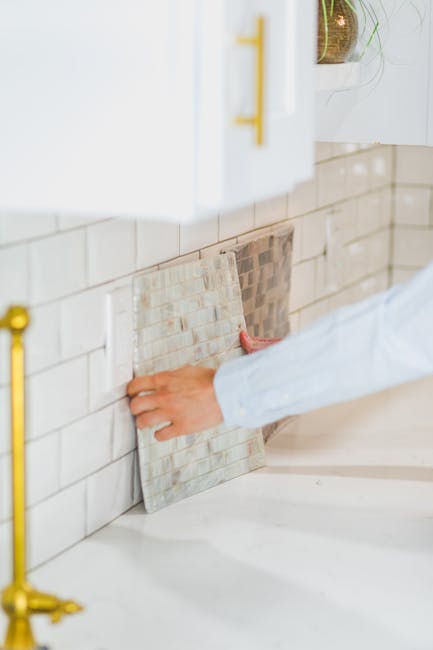
Ants often enter through small openings. Inspect kitchen walls and floors. Look for cracks and gaps. Use caulk to seal these areas. Caulk is a paste that hardens. It blocks ants from entering.
Check around windows and doors. Are there any holes? Seal them with weather stripping. This material is soft and blocks gaps. Ants can’t crawl through it.
Examine pipes and vents. Ants can enter here too. Use silicone sealant to close gaps. Silicone is waterproof. It keeps ants out.
Keep your kitchen safe. Block all entry points. Ants can’t invade your space.
Maintaining Cleanliness
Clean kitchenskeep ants away. Ants love crumbs and spills. They find food fast. Sweep floors every day. Wipe counters after cooking. Ants can’t resist sweet spills. Mop up juice right away. Use soap to clean surfaces.
Store foodin sealed containers. Ants smell open food. Keep fruit in the fridge. Ants can’t open tight lids. Check for crumbs under appliances. Ants hide in small spaces.
Take out trashoften. Ants love garbage. Use a trash can with a lid. Empty it every day. Wash the can if it smells. Ants find food in trash quickly.
Keep your kitchen clean. Ants will stay away.
Long-term Prevention Strategies
Keep your kitchen clean to deter ants effectively. Store food in airtight containers and regularly wipe surfaces. Seal cracks and entry points to prevent ant invasions.
Seal Entry Points
Ants find tiny gaps and cracks to enter. Use caulk to seal windowsand doors. Look for cracks in walls and floors. Cover them too. This keeps ants outside.
Keep The Kitchen Clean
Clean spills right away. Ants love sticky spots. Sweep floors daily. Keep countertops free of crumbs. Store food in airtight containers. This makes it hard for ants to find food.
Remove Water Sources
Ants need water to survive. Fix leaks under sinks. Dry up puddles and spills. Don’t leave wet sponges in the sink.
Use Natural Repellents
Some herbs can keep ants away. Try placing mint leaves near entry points. Cinnamon works well too. These scents bother ants and keep them at bay.
Frequently Asked Questions
What Natural Remedies Repel Ants In The Kitchen?
Natural remedies like vinegar, lemon juice, and essential oils can effectively repel ants. Spray vinegar or lemon juice near entry points. Essential oils like peppermint or tea tree can be applied to cotton balls and placed in problem areas to deter ants without using harmful chemicals.
How Can I Prevent Ants From Entering My Kitchen?
Seal all entry points, such as cracks and crevices, to prevent ants. Keep your kitchen clean by regularly wiping surfaces and storing food in airtight containers. Remove any food crumbs or spills promptly. Regularly take out the trash to avoid attracting ants into your kitchen space.
Do Essential Oils Work Against Kitchen Ants?
Yes, essential oils like peppermint and tea tree oil work well. Ants dislike the strong scent of these oils, which disrupts their scent trails. Apply the oils on cotton balls and place them near ant entry points. This natural method helps keep your kitchen ant-free.
How Often Should I Clean To Keep Ants Away?
Regular cleaning is crucial to keep ants away. Wipe down kitchen surfaces daily and promptly clean up spills. Sweep and mop floors weekly to remove food particles. Regularly empty trash bins and store food in sealed containers to maintain an ant-free kitchen environment.
Conclusion
Keeping ants out of your kitchen can be simple. Natural repellents work wonders. Essential oils like peppermint and lemon deter ants effectively. Clean surfaces to remove food traces. Seal cracks to prevent entry. Vinegar and baking soda help too. Regular checks keep your kitchen safe.
Ants love crumbs and spills. So, wipe them away immediately. A clean kitchen means fewer ants. Pest control sprays can be useful. Remember, prevention is key. Stay vigilant and enjoy an ant-free kitchen. Your kitchen deserves peace and cleanliness. Make these tips a regular habit.
Ants won’t stand a chance!