Moving can be a whirlwind of stress, excitement, and endless to-do lists. One of the most daunting tasks on your moving checklist?
Packing up your kitchen. It’s the heart of your home, filled with fragile items, awkwardly shaped gadgets, and countless little things you never knew you had. But don’t worry—you’re not alone in this! Imagine being able to pack your kitchen with ease, knowing everything will arrive safely at your new home, ready to be unpacked and set up.
How do you transform this overwhelming task into a manageable one? That’s exactly what you’ll discover here. By the end of this article, you’ll have a clear, step-by-step plan to efficiently pack your kitchen, saving time and reducing stress. Curious to learn the secrets to a smooth kitchen move? Let’s dive in and make your move a breeze!
Gather Packing Supplies
Start with strong boxes. Choose small and medium sizes for heavy items. Big boxes are good for light things.
Get bubble wrapfor fragile items like glasses and plates. Use packing paperto fill empty spaces in boxes. This keeps items safe.
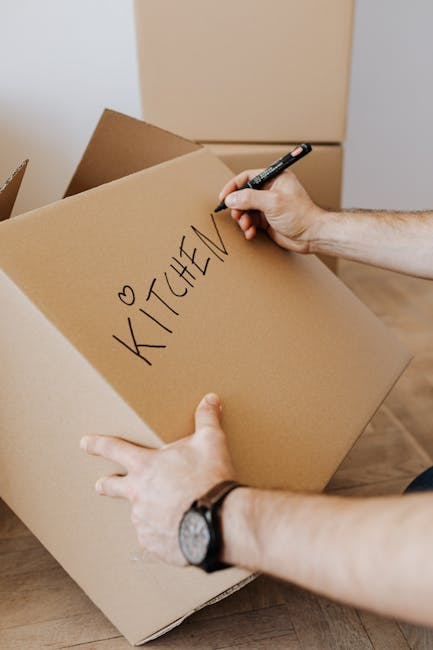
Don’t forget packing tape. Use it to close boxes tightly. Labels help identify what’s inside each box. Write clearly with a marker.
Furniture blanketsprotect big items like tables and chairs. Keep them clean and scratch-free.
Use ziplock bagsfor small kitchen items. They keep things like utensils organized.
- Strong boxes
- Bubble wrap
- Packing paper
- Packing tape
- Labels and marker
- Furniture blankets
- Ziplock bags
Sort And Declutter
Start by going through each kitchen cabinet and drawer. Look at every item carefully. Decide what you really need and use often. Put aside things you don’t use much. These can be donatedor sold. Check for any broken or damaged items. Throw these away to make more space. Group similar items together. It makes packing easier.
Think about how much space you have in your new kitchen. This helps in deciding what to keep. Be honest with yourself. Keeping less means less work later. Remember to keep a few essential items out. You might need them before moving day. This process takes time, but it’s worth it.
Pack Dishes And Glassware
Use sturdy boxesfor packing dishes and glassware. Line the bottom with crumpled paper. This gives extra cushioning. Wrap each dish in bubble wrap. Place them vertically in the box. It helps prevent breakage. Fill gaps with more crumpled paper.
For glasses, wrap them too. Use separate boxes if possible. Place them upright. Stack dishes in small piles. Do not overfill boxes. Label boxes as “Fragile”. This warns movers to be careful.
Use dividersfor better protection. They keep items from touching. Consider packing plates and bowls together. Glasses should stay separate. This method keeps everything safe.
Secure Small Appliances
Place small appliances like the toaster and blender in sturdy boxes. Wrap each item in bubble wrap or newspaper for protection. Secure cords by tying them with twist ties. Label each box with the appliance name and room for easy unpacking.
Use a separate box for each appliance if possible. This helps avoid damage. For fragile parts, use extra padding like foam or soft cloths. Fill gaps in the box with packing peanuts or crumpled paper. This prevents movement during transit.
Check if any appliance has removable parts. Pack these parts separately. Double-check each box before sealing it. Make sure nothing is left loose. Finally, use strong tape to seal the boxes securely. This keeps everything safe during the move.
Organize Utensils And Silverware
Separate forks, spoons, and knives into groups. Wrap each group with rubber bands. This keeps them together. Use small boxes for these items. Place heavy utensils at the bottom. Light ones go on top. Use bubble wrap for fragile items. This prevents scratches and dents.
Label boxes clearly with markers. Write “silverware” or “utensils” on them. This helps in easy unpacking later. You find them quickly when needed. Use dividers for larger utensils. It keeps them from shifting around. Pack serving spoons and spatulas separately. Use kitchen towels for extra padding. They offer protection and are reusable.
Make sure all items are clean before packing. Dirty utensils can attract pests. Always check for any remaining food particles. Wipe them thoroughly to ensure cleanliness.
Label And Seal Boxes
Label and seal boxes carefully to keep kitchen items safe during a move. Use strong tape for extra security and write contents clearly on each box. This ensures easy unpacking later.
<label and="" boxesLabel Each Box Clearly: Use a marker to write the contents on the side of each box. This makes it easier to find what you need when you unpack. Seal the Box: Use packing tape to close the box. Make sure the tape is tight and secure. Color Code Boxes: Use different colors to label boxes that contain fragile items or important documents. Pack Similar Items Together: Group items like dishes, kitchen utensils, and pots and pans into separate boxes. Use Sturdy Boxes: Choose boxes that are strong and sturdy to prevent them from breaking during the move. Label the Room: On the side of each box, write the room where the items will go. This helps movers put the boxes in the right place. Use a variety of colors to label boxes, like red for fragile items, blue for bedding, and green for kitchen items. Make sure to seal each box tightly to prevent items from shifting during the move.Frequently Asked Questions
How Do I Start Packing My Kitchen?
Begin by sorting items into categories: essentials, non-essentials, and perishables. Pack non-essentials first, then carefully wrap fragile items. Use sturdy boxes and label them clearly. Keep essentials accessible for immediate use upon arrival. This organized approach ensures a smooth and efficient kitchen packing process.
What Packing Materials Are Best For Kitchen Items?
Use bubble wrap for fragile items and sturdy boxes for heavier goods. Dish packing boxes are ideal for plates and glassware. Utilize packing paper to wrap delicate items, preventing scratches. Label each box clearly to streamline unpacking. Proper materials protect your kitchenware during transit.
How Should I Pack Fragile Kitchenware?
Wrap each fragile item individually using bubble wrap or packing paper. Place them in sturdy boxes, cushioning with additional paper or foam. Ensure they are snug but not overly tight to prevent breakage. Label boxes as “fragile” for careful handling.
This method minimizes damage risk during the move.
What’s The Best Way To Pack Kitchen Appliances?
Clean and dry appliances before packing. Remove detachable parts and wrap them separately. Use original boxes if available, or sturdy alternatives. Secure cords and label boxes clearly. This ensures safe transportation and easy setup in your new kitchen, preserving appliance functionality.
Conclusion
Packing a kitchen to move seems tough, but now you know how. Remember to label all boxes clearly. Keep essentials handy for quick access. Use towels and bubble wrap to protect fragile items. Organize items by category for easier unpacking.
Stay calm and patient; it helps a lot. Start packing early to avoid stress. With planning, you can make it simple. Moving day will be smoother with these tips. You got this! Happy moving!