Are your kitchen cabinets looking tired or outdated? Sanding them down can breathe new life into your space without the cost of a full remodel.
But if you’ve never sanded cabinets before, the process might seem tricky or messy. Don’t worry—you’re about to learn simple, effective steps that will make sanding your kitchen cabinets easier than you think. By the end of this guide, you’ll have the confidence to tackle this project yourself and give your kitchen a fresh, beautiful look.
Ready to transform your cabinets? Let’s get started!
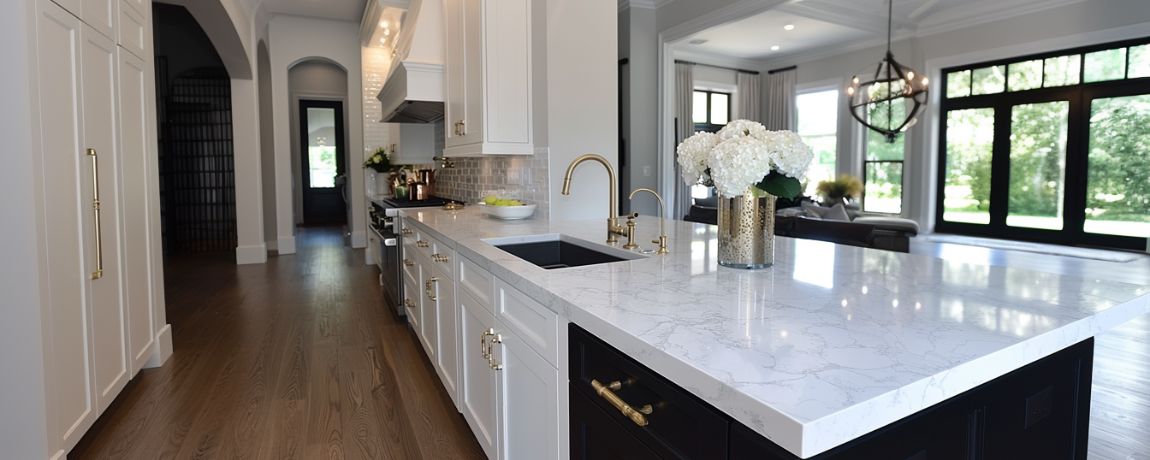
Credit: cabinetpaintingco.com
Preparing Your Workspace
Clear the area around your cabinets to create space for sanding. Gather all tools and protective gear before starting the work. Ensure good lighting and ventilation for a safe and efficient sanding process.
Clearing The Area
Move all items off the countertops. Ensure cabinets are empty. Cover floors with plastic sheets. Protect nearby furniture. Keep the workspace clean and tidy. This avoids accidents while sanding.
Gathering Tools And Materials
Collect a sanding block or electric sander. Gather sandpaper of different grits. You need a dust mask and safety goggles. Get a vacuum cleaner for dust. Have a damp cloth ready for cleaning. Keep everything within reach.
Ensuring Proper Ventilation
Open windows for fresh air. Use fans to circulate air. This helps remove dust from the room. Good ventilation is important for health. It keeps the air clean while working. Ensure you breathe comfortably.

Credit: www.facebook.com
Removing Cabinet Doors And Hardware
Label each cabinet door and its hinges clearly. This makes reassembly easier. Use masking tape and a marker to write matching numbers or letters on the doors and the cabinet frame.
Remove handles and knobs gently. Use a screwdriver to avoid damage. Keep screws and small parts together to prevent loss.
Store all hardware safely in a labeled container or bag. This keeps everything organized and ready for when you reattach them later.
Choosing The Right Sandpaper
Grit levelstell how rough or smooth sandpaper is. Low grit (40-60) is very rough. It removes old paint or deep scratches fast. Medium grit (80-120) smooths surfaces after rough sanding. High grit (150-220) finishes wood with a fine touch. Use the right grit to avoid damage.
Wood types need different sandpaper grit. Softwoods like pine need gentle sanding with medium grit. Hardwoods like oak or maple need rougher grit first, then fine grit for smoothness. Fine grit works well on painted cabinets to avoid scratches.
| Wood Type | Recommended Grit | Purpose |
|---|---|---|
| Softwoods (Pine, Cedar) | 80-120 | Smooth surface, avoid deep scratches |
| Hardwoods (Oak, Maple) | 60-120 | Remove old finish, then smooth |
| Painted Cabinets | 150-220 | Light sanding without damage |
Sanding Techniques For Cabinets
Hand sanding helps control pressure and reach small areas easily. Use fine-grit sandpaperfor smooth finishes. Sand in the direction of the wood grain to avoid scratches. Hold the sandpaper flat and move it in gentle, even strokes.
Power sanders save time on large, flat surfaces. Choose an orbital or palm sanderfor cabinets. Use medium-grit sandpaperto remove old paint or varnish quickly. Keep the sander moving to avoid making deep marks. Always wear a mask to protect from dust.
Inside corners and detailed areas need a careful touch. Use sanding spongesor folded sandpaper to fit tight spaces. A small sanding block can help with edges. Take extra care not to damage delicate carvings or moldings.
Dealing With Imperfections
Sanding kitchen cabinets smooths out scratches and bumps for a fresh look. Use fine-grit sandpaper and gentle strokes to avoid damage. Taking time with imperfections leads to better paint or stain results.
Filling Holes And Cracks
Use wood filler to fix holes and cracks on cabinets. Apply it with a putty knife and press firmly. Let it dry completely before sanding. Choose a filler that matches your cabinet color for a better finish. Small cracks can also be filled using wood glue mixed with sawdust. This mix blends well with wood and dries hard. Avoid overfilling to reduce sanding work later.
Sanding After Repairs
Sand the filled areas with fine-grit sandpaper. Use gentle, circular motions to blend repairs smoothly with the cabinet surface. Check for any rough spots or uneven patches. Sanding ensures a flat surface ready for painting or staining. Be careful not to sand too much and damage the surrounding wood. Clean dust off with a soft cloth before finishing.
Cleaning Up After Sanding
Remove sanding dust with a soft brush or vacuum cleaner. This stops dust from settling back on cabinets.
Wipe surfaces gently using a damp cloth to pick up fine dust particles. Avoid soaking the wood.
Use a tack cloth to trap any leftover dust for a smooth finish.
Prepare the surface by filling holes or cracks with wood filler. Let it dry completely.
Lightly sand the filled areas to make them even with the rest of the cabinet.
Clean the cabinet again after sanding to ensure no dust remains before painting or staining.
Reassembling Cabinets
Start by carefully reattaching the cabinet doors to their frames. Use the original hinges or new ones if needed. Tighten screws firmly but avoid overtightening to prevent damage.
Next, reinstall the hardware like handles and knobs. Align them properly for a neat look. Check that all screws are secure but not too tight.
For a smooth finish, wipe cabinets with a soft cloth to remove dust. Lightly sand any rough spots using fine-grit sandpaper. Finally, apply a clear coat or paint to protect the surface and enhance shine.
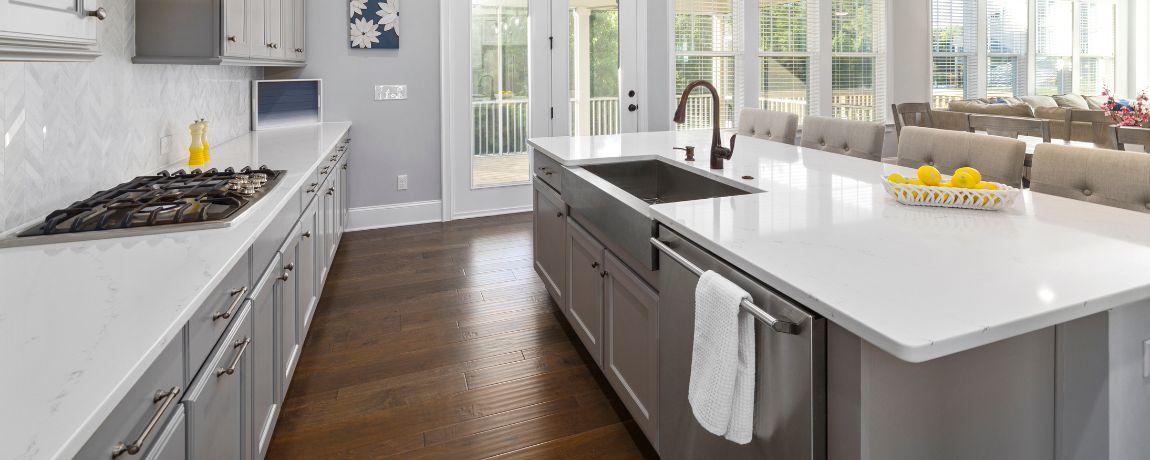
Credit: cabinetpaintingco.com
Frequently Asked Questions
How Do I Prepare Cabinets Before Sanding?
Start by removing all cabinet doors and hardware. Clean surfaces with a degreaser. This ensures better sanding and paint adhesion.
What Grit Sandpaper Is Best For Kitchen Cabinets?
Use 120-grit sandpaper first for rough sanding. Follow with 220-grit for a smooth finish. This combination removes old finish effectively.
Can I Sand Kitchen Cabinets Without A Power Sander?
Yes, hand sanding is possible but takes longer. Use a sanding block for even pressure. It’s ideal for delicate or detailed areas.
How Long Does Sanding Kitchen Cabinets Usually Take?
Sanding typically takes 2 to 4 hours depending on cabinet size. Larger kitchens require more time for thorough sanding.
Conclusion
Sanding kitchen cabinets can refresh your whole kitchen look. Start with coarse sandpaper and finish smooth. Take your time to avoid damage. Clean dust well before painting or staining. Good sanding helps paint stick better and last longer. Remember, patience brings the best results.
This simple step makes old cabinets look new again. Try it yourself to save money and enjoy a fresh kitchen feel.