Are you planning a kitchen renovation or just curious about the design of your current space? One question that often arises is: how deep are kitchen upper cabinets?
Understanding the depth of these cabinets can significantly impact your kitchen’s functionality, storage capacity, and overall aesthetic. Imagine effortlessly reaching for your favorite mug or seamlessly organizing your spices; the depth of your upper cabinets plays a crucial role in these everyday tasks.
As you delve into this article, you’ll uncover insights that could transform the way you interact with your kitchen. Get ready to discover the perfect balance between style and practicality, ensuring your kitchen is not only a place for culinary creativity but also an efficient and inviting space. Let’s explore the dimensions that could redefine your kitchen experience!
Standard Dimensions
Kitchen upper cabinets are usually 12 inches deep. Some can be 15 inches deepfor more space. These dimensions work well for storing dishes. Most dishes fit easily in these cabinets.
Cabinet height is often 30 inches. This gives enough space for shelves. Taller cabinets can go up to 42 inches. They reach the ceiling in many kitchens.
Standard width starts at 9 inches. Width can go up to 48 inches. Wider cabinets hold more items. They are great for large families.

Credit: www.kitchencabinets-serr.com
Factors Affecting Depth
Kitchen upper cabinets depth varies due to storage needs and space restrictions. Standard depth is often 12 inches, but custom options can range from 12 to 24 inches, offering more space for larger items. Factors such as wall space, design preferences, and appliance proximity influence cabinet depth choices.
Kitchen Layout
The layoutof a kitchen plays a big role in cabinet depth. Small kitchens often need shallower cabinets. This provides more space to move around. Large kitchens might have deeper cabinets. This allows for more storage. The layout can impact how cabinets open. It’s important to fit the cabinets within the room.
Cabinet Purpose
Cabinets can serve different purposes. Some are for storing plates and bowls. Others might hold spices or canned goods. The purpose affects the cabinet depth. Deeper cabinets can store large items. Shallow cabinets might be better for small items. Think about what you will store inside. This helps decide the depth.
Appliance Integration
Appliances can affect cabinet depth. Built-in ovens or fridges need space. Cabinets around them might be shallower. This ensures easy access. Consider the size of appliances. Large appliances need more space. This impacts the cabinet depth. Proper integration is key.
Customization Options
Explore diverse customization options for kitchen upper cabinets. Choose depths ranging from 12 to 24 inches to fit your storage needs and kitchen layout. Tailor cabinet dimensions for optimized organization and style.
Personalized Design
Upper kitchen cabinets can be tailored to fit your style. Choose different colors and materials for a unique look. Add special hardware for a personalized touch. Opt for glass doors to showcase items inside. Design choices make each kitchen unique.
Adjustable Shelving
Cabinets with adjustable shelves offer more flexibility. Move shelves to fit tall or short items. Create more space for cooking tools or dishes. Adjustable shelving is practical and easy to use. It helps in organizing kitchen essentials efficiently.
Impact On Storage
Upper cabinetsare a great place for storing kitchen items. They provide extra space for plates, bowls, and cups. Deep cabinets can store more items. This helps keep the kitchen neat and tidy. It’s important to use the space wisely.
Smart organization is key for maximizing storage. Use shelves and dividers to separate items. This helps find things easily. Stack pots and pans to save room. Use hooks on the inside of doors. These hold small tools and utensils.
Deep cabinets can be hard to reach. Tall people find it easier. Smaller folks may struggle. Use a step stool for high shelves. Place frequently used items on lower shelves. This makes them easier to grab. Safety is important, avoid climbing on counters.
Material Considerations
Kitchen upper cabinets typically range in depth from 12 to 24 inches. Their depth affects storage capacity and accessibility. Choosing the right depth ensures a balance between space and functionality in your kitchen.
Wood Choices
Wood is a popular choice for kitchen cabinets. Oak and maple are strong and sturdy. Pine is softer but less expensive. Cherry wood has a rich color. It adds warmth to any kitchen. Birch wood is light and smooth. Each type offers unique grain patterns. Some woods resist moisture better than others. Choose wood based on your kitchen’s needs.
Alternative Materials
Other materials can be used for cabinets. Stainless steel is modern and sleek. It resists rust and stains. Laminate is affordable and comes in many colors. Glass-front cabinets look elegant. They showcase dishes beautifully. MDF is dense and smooth. It is often used for painted cabinets. Each material has its pros and cons. Consider your budget and style when choosing.

Credit: www.instagram.com
Installation Challenges
Determining the depth of kitchen upper cabinets can be tricky. Many homes have unique wall structures. Accurate measurements are crucial to avoid installation headaches and ensure a perfect fit.
Wall Mounting Techniques
Mounting cabinets on walls can be tricky. Walls must be strong enough to hold cabinets. Use sturdy screws and brackets. Measure heights carefully. Ensure cabinets are level. Avoid uneven surfaces. Secure each cabinet properly. Follow instructions closely for safety.
Measurement Accuracy
Accurate measurement is crucial. Cabinets should fit perfectly in the space. Use a tape measure. Double-check measurements. Mistakes can lead to gaps or tight fits. Plan the layout before installation. Mark spots clearly on walls. Precision ensures a smooth installation process.
Trends In Cabinet Depth
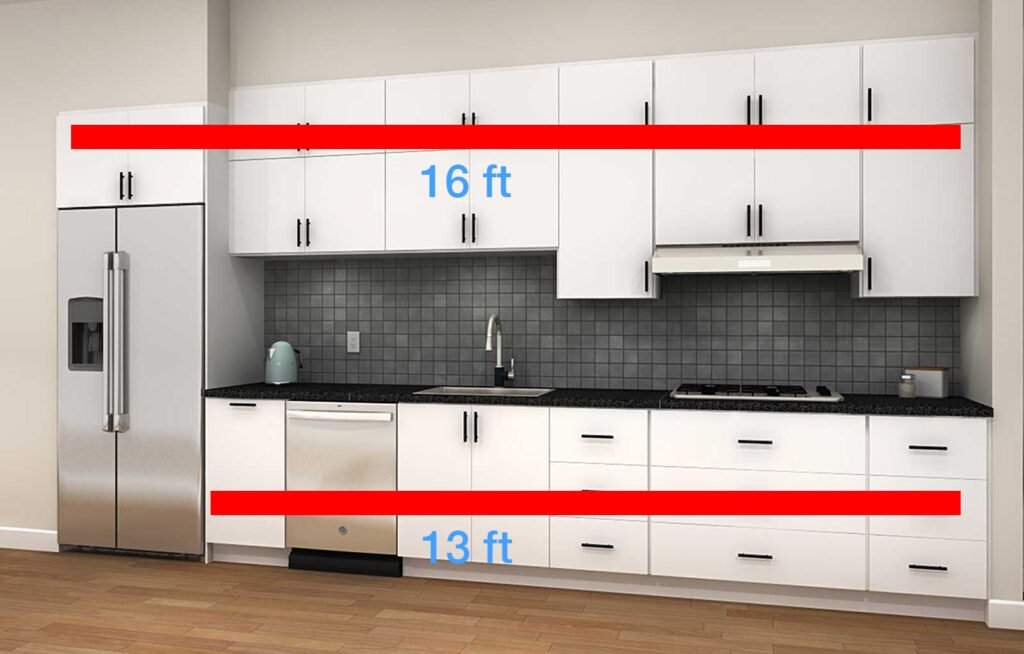
Minimalist designs are now popular in kitchens. These designs use sleek and simple lines. The depth of cabinets is often less. This helps to create a clean look. Many people like this because it feels open and airy. Shallow cabinets can store essential itemswithout clutter. This design makes it easy to find things. Simple is beautiful and very practical.
Today’s kitchens need cabinets with more features. Deep cabinets provide more space. They can store large pots and pans. Many cabinets now have smart shelves. These shelves can slide or pull out. This makes it easier to reach items in the back. People love cabinets that make cooking easier. More space means more options to organize.
Credit: pebblesandthorns.com
Frequently Asked Questions
What Is The Standard Depth For Kitchen Upper Cabinets?
Standard kitchen upper cabinets are typically 12 inches deep. This depth allows for easy access and storage of dishes, glassware, and other kitchen essentials. The 12-inch depth also ensures compatibility with most countertop widths, providing a balanced and streamlined kitchen design.
Are Deeper Upper Cabinets Available?
Yes, deeper upper cabinets are available in various depths, usually up to 24 inches. These deeper cabinets are ideal for storing larger items like pots and pans. However, they may require custom installation to ensure proper alignment with lower cabinets and countertops.
How Do I Choose The Right Cabinet Depth?
Choose the right cabinet depth based on your kitchen layout and storage needs. Consider the space available and the items you plan to store. Standard 12-inch cabinets work well for most kitchens. For larger items, consider deeper cabinets, but ensure they fit your space.
Does Cabinet Depth Affect Kitchen Design?
Yes, cabinet depth significantly impacts kitchen design and functionality. Deeper cabinets offer more storage but can make a kitchen feel cramped. It’s essential to balance storage needs with available space. Properly sized cabinets help maintain a streamlined, functional kitchen appearance.
Conclusion
Choosing the right depth for kitchen upper cabinets is important. It affects storage and kitchen space. Standard depths provide a balance between accessibility and capacity. Custom options offer flexibility for unique needs. Measure your kitchen space carefully. Consider your cooking habits and storage requirements.
This will guide your decision. Proper depth enhances kitchen functionality and aesthetics. A well-planned kitchen makes cooking enjoyable. Remember, comfortable reach is key. Keep these tips in mind for a practical kitchen setup. Your kitchen should be both beautiful and efficient.
Making informed choices ensures a pleasant and organized cooking space.