Are you tired of that unpleasant odor wafting from your kitchen sink? Or maybe the water just won’t drain as quickly as it used to, leaving you with a frustratingly slow sink?
If these scenarios sound familiar, you’re not alone. Many homeowners face the pesky problem of clogged kitchen drain pipes. But what if there was a simple, effective way to tackle this issue without calling in the professionals? You’ll discover how to clean your kitchen drain pipe, restoring it to its former glory and banishing those stubborn clogs for good.
With easy-to-follow steps and tips, you’ll soon have your kitchen running smoothly again. So, let’s dive in and transform your kitchen sink from a source of stress into a model of efficiency.
:strip_icc()/how-to-clean-a-bathroom-sink-drain-01-c728294c8bee42428afdf3e69f449279.jpg "How to Clean Kitchen Drain Pipe: Effortless Guide 1")
Credit: www.bhg.com
Common Causes Of Clogged Drains
Food scraps often block kitchen drains. These bits get stuck easily. Grease and oil cause big problems too. They stick to the pipe walls. Over time, they harden and make the drain narrow. Soap residue is another cause. It builds up inside the pipes. Hair and dirt can also block the drain. They mix with other debris, forming clumps.
Small objects sometimes fall into the drain. They cause clogs deep inside the pipes. Large pieces of leftover food should be thrown away. A good habit to keep drains clear. Tree roots can invade old pipes. They block water flow and cause backups.
Essential Tools And Materials
Cleaning the kitchen drain pipe needs a few important tools. First, gather a plunger. It helps in dislodging blockages. Next, you need a drain snake. This tool reaches deep into pipes. It pulls out stuck debris. A baking soda and vinegarmix is very useful. It helps in breaking down clogs. Keep a bowl or bucketnearby. It will catch any water spills. A pair of rubber gloveswill protect your hands. Finally, have some cleaning ragsready. They are essential for wiping spills and drying the area.
Safety Precautions
Wear gloves to protect your hands. Use goggles to shield your eyes. Ensure good ventilation in the kitchen. Keep cleaning products away from children. Read labels on cleaning supplies carefully. Avoid mixing chemicals that can create harmful gases. Check for leaks in the pipe before starting. Unplug appliances near the sink for safety. Have a bucket ready for draining water.
Stay calm and focused. Work slowly to avoid accidents. Use a flashlight if the area is dark. Do not use sharp tools that can damage pipes. Follow instructions on drain cleaners carefully. Dispose of waste properly to avoid blockages. Keep the area dry to prevent slipping. Alert someone if help is needed.

Credit: www.liquidplumr.com
Simple Cleaning Methods
Boil water in a kettle or pot. Pour slowly into the drain. Repeat if needed. Hot water can break down grease and grime. Be careful to avoid burns. Easy and quick method for small clogs.
Pour half cup of baking soda into the drain. Add one cup vinegar. Wait for 15 minutes. The mixture will fizz and bubble. Rinse with hot water. Effective for breaking down tough clogs.
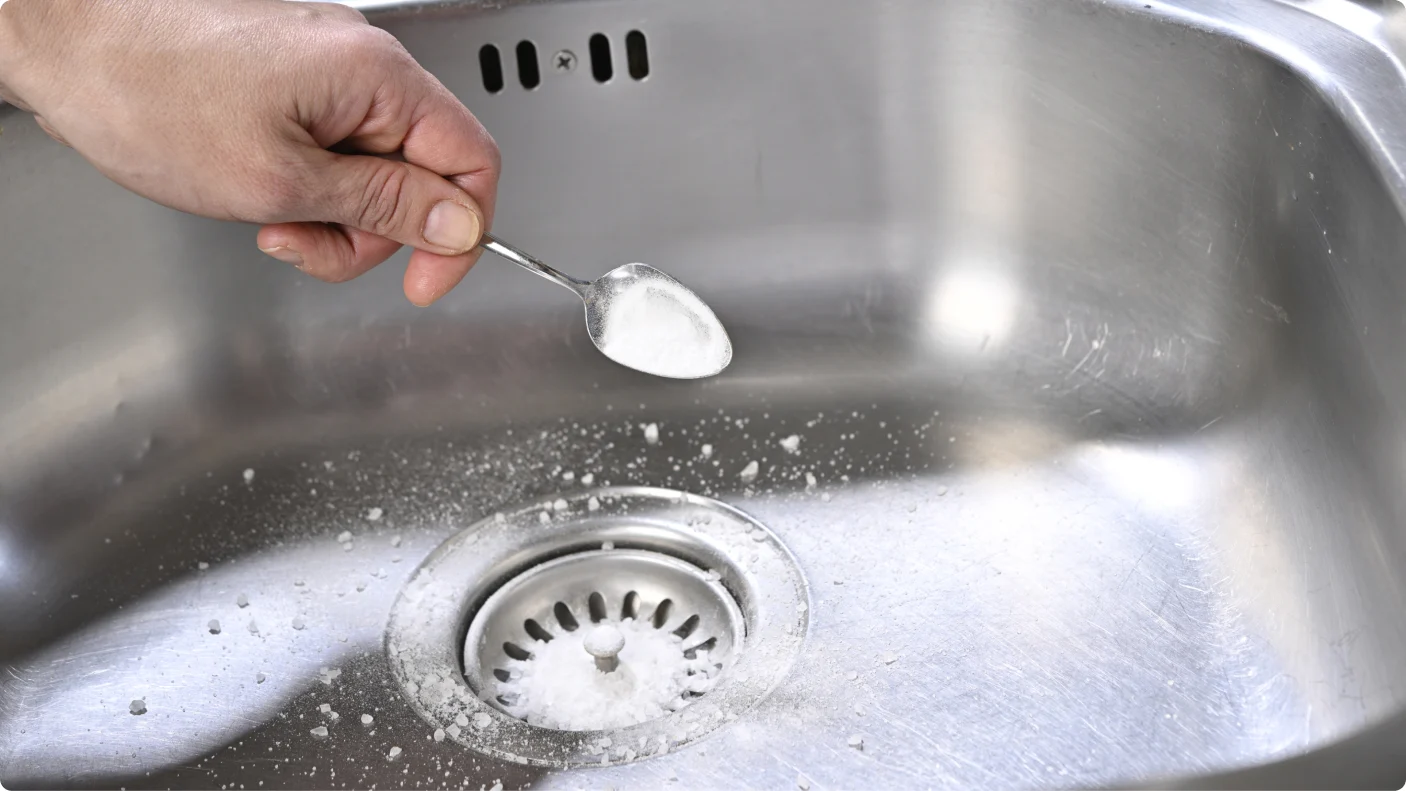
Use half cup of salt. Pour into the drain. Follow with hot water. The salt helps scrub away dirt. Affordable and safe. Good for regular maintenance.
Using A Plunger Effectively
Plungers come in different shapes. The best one for drains is a cup plunger. It has a flat edge. This helps to seal the drain. Always check the size of the plunger. It should fit the drain well. A good fit helps in clearing the clog.
Fill the sink with water. This helps the plunger work. Place the plunger over the drain. Press down slowly. Then, pull up quickly. Do this several times. Water should move the clog. If it doesn’t work, try again. Sometimes clogs are stubborn.
Chemical Drain Cleaners
Clogs can be tough. Chemical cleaners help when water drains slowly. Use them for greasy or oily clogs. Never use them in a garbage disposal drain. Some chemicals harm pipes. Read labels to know where to use them. Avoid mixing different chemicals. It can be dangerous.
Always wear gloves and goggles. Protect your skin and eyes. Keep the area ventilated. Open windows for fresh air. Pour the cleaner slowly into the drain. Follow the instructions on the bottle. Wait for the recommended time. Rinse with hot water after use. Keep chemicals away from children and pets. Store them safely in high places. Never use them too often.
Advanced Techniques
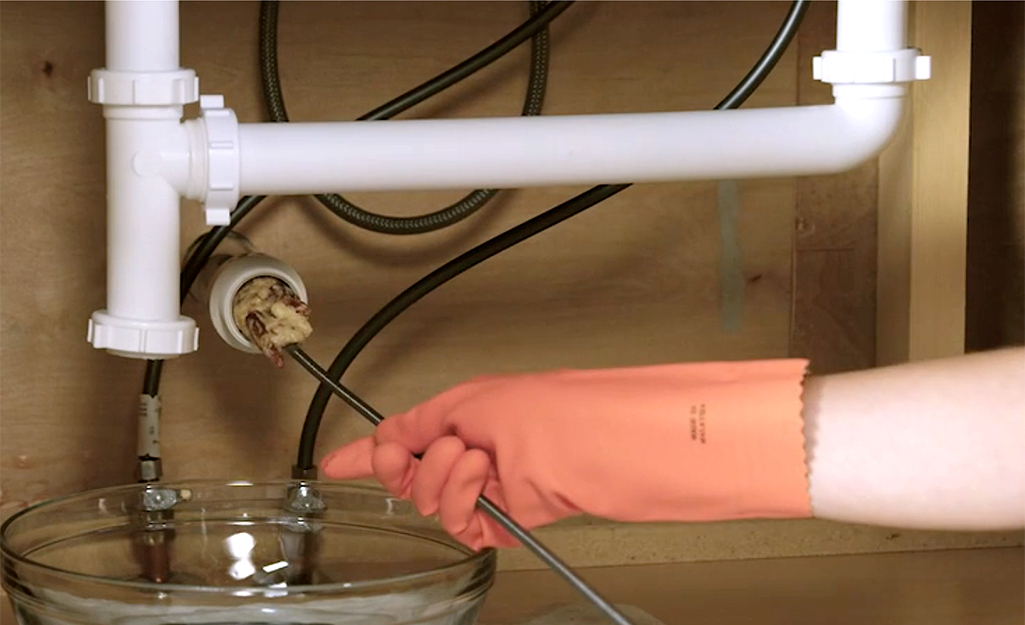
A snakeor augerhelps remove tough clogs. Push the tool into the drain. Turn the handle slowly. This breaks the clog. Pull out the snake. Check for debris. Rinse the drain with water. This clears remaining dirt. Use the snake gently. Avoid damaging the pipes. Repeat if needed. A clean drain works better.
The P-trap is a curved pipe under the sink. It catches debris. Place a bowl under the P-trap. This catches water. Unscrew the P-trap slowly. Remove any gunk inside. Wash it with soap and water. Screw it back tightly. Ensure no leaks. A clean P-trap helps the drain flow well.
Preventative Measures
Keep the kitchen drain clear with simple steps. Use hot water once a week. This helps wash away grease. Baking soda and vinegar work wonders. Pour them down the drain monthly. Avoid harsh chemicals. They can damage pipes over time. Catch food scraps with a sink strainer. This prevents clogs.
Many make mistakes when cleaning drains. Do not use metal hangers. They scratch pipes. Never pour grease down the sink. It hardens and blocks the pipe. Avoid flushing large food chunks. Break them down first. Remember, patience is key. Rushing can cause problems. Always check for leaks after cleaning. This ensures everything is working well.
Credit: www.homedepot.com
Frequently Asked Questions
How Often Should You Clean Kitchen Drain Pipes?
It’s ideal to clean kitchen drain pipes every month. Regular cleaning prevents buildup and clogs. Use natural cleaners like baking soda and vinegar. This helps maintain a smooth drainage system. Consistent cleaning also prevents unpleasant odors and costly repairs.
What Natural Methods Clean Kitchen Drain Pipes?
Natural methods include using baking soda and vinegar. Pour baking soda down the drain first. Follow it with vinegar and wait. Let it fizz for a few minutes. Rinse with hot water to clear the pipes. This method is effective and eco-friendly.
Can Boiling Water Help Unclog Kitchen Drains?
Yes, boiling water can help unclog kitchen drains. It dissolves grease and food particles. Pour it slowly and carefully into the drain. Repeat this process if necessary. Ensure your pipes can handle the heat before trying this method.
What Tools Are Needed For Cleaning Drain Pipes?
You need a plunger, a drain snake, and a pipe brush. These tools help remove clogs effectively. A screwdriver might be necessary for pipe disassembly. Gloves protect your hands from debris. Having these tools makes the cleaning process easier.
Conclusion
Keeping your kitchen drain pipe clean is essential for a healthy home. Regular cleaning prevents clogs and bad smells. Simple tools like baking soda and vinegar work wonders. Always wear gloves to protect your hands. Check pipes for leaks during cleaning.
A clean pipe ensures smooth water flow. Remember, a little effort goes a long way. Clean regularly to avoid bigger problems later. Your kitchen feels fresher and more inviting with clean pipes. A clean kitchen is a happy kitchen. Keep it simple, keep it clean.
Enjoy cooking without worrying about drain issues.