Are you looking to give your kitchen a fresh and modern update? Cutting kitchen countertops might seem like a daunting task, but with the right guidance, you can transform your space without breaking a sweat.
Imagine the satisfaction of knowing that you’ve customized your kitchen to perfectly fit your style and needs. In this guide, we’ll walk you through the step-by-step process of cutting kitchen countertops, making it simple and achievable. You’ll discover essential tips and tricks that will not only save you time but also ensure a flawless finish.
Get ready to unlock your inner DIY enthusiast and tackle this project with confidence!
Choosing The Right Tools
Selecting appropriate tools ensures precise cuts on kitchen countertops. A high-quality circular saw with a fine-toothed blade offers clean edges. Safety gear like goggles and gloves protect during the cutting process.
Essential Cutting Tools
Sawsare vital for cutting countertops. Choose a jigsawfor curved cuts. A circular sawworks well for straight edges. Diamond bladesensure clean cuts on stone surfaces. Keep blades sharpfor smooth cutting.
Safety Equipment
Wear safety gogglesto protect eyes from debris. Use glovesto prevent hand injuries. Dust maskskeep lungs safe from particles. Ear protectionshields ears from loud tool noises. Safety firstalways!

Credit: www.angi.com
Measuring And Marking
Measuring and Marking Accurate measurements and clear markings ensure precise cuts for kitchen countertops. Use a tape measure and pencil to outline the desired dimensions. Double-check measurements before proceeding to avoid costly mistakes.
Accurate Measurements
Use a tape measure to get the countertop dimensions. Start from one end and measure to the other. Double-check these numbers to ensure they are correct. Write the measurements on a piece of paper. Always measure twice to avoid mistakes. If the countertop is not straight, measure each end. This helps get the most accurate size.
Marking The Cut Line
Use a pencil to mark where to cut. Draw a straight line across the countertop. Make sure the line is clear and visible. You can use a ruler to keep the line straight. Check the line matches your measurements. This helps ensure a clean cut. A clear line helps avoid mistakes when cutting.
Preparing The Workspace
Set up the workspace by clearing clutter and ensuring proper lighting. Gather tools like saws and measuring tape. Lay protective coverings to prevent damage to nearby surfaces.
Clearing The Area
Remove all items from the countertop. Ensure the surface is clean. Dust and debris can cause problems. Check for any appliances or decorations. Place them in a safe location. This prevents accidental damage. Double-check the area for small items. They can hide in corners or under objects. Make sure the workspace is empty and ready.
Securing The Countertop
Use clamps to hold the countertop. Make sure they are tight. A secure countertop ensures safety. It prevents movement while cutting. Place the clamps at the edges. Test by gently shaking the countertop. If it moves, tighten the clamps more. Safety is very important. Wear gloves and goggles. Keep your tools nearby. Be ready before you start cutting.
Cutting Different Materials
Laminate countertopsare popular for their affordability. Use a fine-tooth sawfor cutting. Measure carefully before you cut. Mark the cutting line clearly. Wear safety glasses to protect your eyes. Cut slowly to avoid chipping. A jigsaw works well for curves. Sand the edges for a smooth finish.
Solid surface countertops need a special saw. A circular saw is useful for straight cuts. You should use a carbide blade. Keep the saw steady while cutting. Masking tape helps prevent scratches. Support the countertop to avoid breaking. Sand the edges gently.
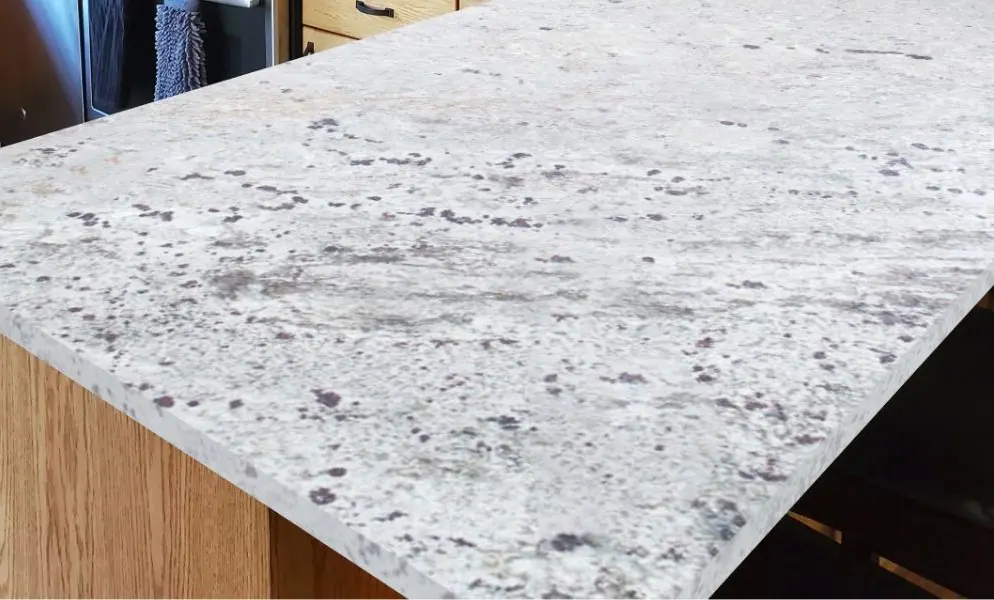
Granite is a strong and heavy material. It requires a diamond bladefor cutting. Use a wet saw to reduce dust. Measure twice before you cut. Mark the line with a pencil. Granite needs extra support during cuts. Always wear a dust mask for safety.
Handling Cutouts For Sinks And Appliances
Cutting kitchen countertops for sinks and appliances requires precision and care. Use a jigsaw for smooth edges and make sure to measure twice before cutting. Always wear safety gear and follow the manufacturer’s guidelines for optimal results.
Measuring Sink Cutouts
Ensure the sink fits perfectly. Use a measuring tape for precision. Measure the sink’s width, length, and depth. Mark these measurements on the countertop. Double-check each mark for accuracy. Make sure the sink edges align correctly. Avoid mistakes by being thorough. Check measurements twice before cutting.
Creating Appliance Spaces
- Identify where appliances will go.
- Measure appliance dimensions carefully.
- Mark these measurements on the countertop.
- Ensure spacing allows for proper fitting.
- Cut along marked lines with precision.
- Verify alignment before finalizing cuts.

Credit: gatheredinthekitchen.com
Finishing Edges
Finishing edges on kitchen countertops requires precise cuts for a clean look. Use a fine-tooth saw to avoid chips. Sand edges smoothly to ensure a polished finish.
Smoothing Rough Edges
Use sandpaper to make edges smooth. Start with coarse sandpaper. Rub it along the edge. Move to fine sandpaper. This makes it very smooth. Be careful. Don’t rub too hard. Dust off the area when done.
Applying Edge Banding
Edge banding gives a nice finish. Choose the right banding material. Measure the countertop edge length. Cut the banding to fit. Iron on the banding. Press firmly. Trim any extra banding. Make sure it sticks well.
Cleaning Up
Cutting kitchen countertops requires precision and safety. Measure accurately before marking the cut lines. Use a circular saw with a fine blade, ensuring a steady hand and protective gear for a clean finish.
Removing Debris
Ensure the countertop is free of dustand small particles. Use a soft brush or cloth to wipe away debris. Avoid using water initially as it might spread dirt. Carefully dispose of gathered debris. Check corners and edges for stubborn particles. Repeat the process until the surface is clean.
Polishing The Surface
Apply a gentle polish to the countertop. Use a clean, soft cloth for polishing. Rub in circular motions for an even finish. Ensure all areas get equal attention. The polish brings out the countertop’s shine. Avoid harsh chemicals that might damage the surface. Repeat the polish application if needed.
Credit: mpgstone.com
Troubleshooting Common Issues
Chips can appear on countertop edges. Use a fine-grit sandpaper to smooth them. Always move the sandpaper in one direction. This helps in avoiding more chips. Applying a clear sealant can also protect edges. It makes the surface strong. Ensure the countertop is clean before applying the sealant. Clean surfaces help sealants stick better.
Uneven cuts can make countertops look bad. A straightedge can help check the cut line. Mark the uneven spots with a pencil. Use a sander to smooth these areas. Sand in short, gentle strokes. This prevents further damage. Measure again to ensure evenness. For large uneven areas, a circular saw might be needed. Always wear safety gear when using tools.
Frequently Asked Questions
How Do You Measure Countertops For Cutting?
To measure countertops, start by measuring the length and width accurately. Use a measuring tape for precision. Mark the dimensions on the countertop with a pencil. Double-check your measurements before cutting to ensure accuracy. This step is crucial for a perfect fit.
What Tools Are Needed To Cut Countertops?
To cut countertops, you’ll need a circular saw, measuring tape, and a straight edge. A jigsaw can be used for curves and corners. Safety gear such as goggles and gloves is essential. Ensure your tools are sharp and in good condition before starting.
Can You Cut Countertops Without Professional Help?
Yes, you can cut countertops yourself with the right tools and preparation. Follow safety guidelines and measure accurately. DIY countertop cutting can save money. However, if you’re unsure, consider hiring a professional to ensure a perfect fit and finish.
How To Ensure A Straight Cut On Countertops?
To ensure a straight cut, use a straight edge as a guide. Clamp it securely to the countertop. Follow the guide with your saw steadily. Double-check your measurements before cutting. Taking your time and being precise is key to achieving a straight line.
Conclusion
Cutting kitchen countertops can seem challenging, but it’s doable. With the right tools, you can achieve clean cuts. Always measure twice to ensure precision. Safety is important, so wear protective gear. Practice on scrap pieces before the final cut. This builds your confidence and skill.
Remember, patience and preparation lead to success. Whether you’re updating your kitchen or fixing a mistake, cutting countertops is manageable. You’ll save money and gain satisfaction from doing it yourself. With these tips, you’re ready to transform your kitchen space.
Happy cutting!