Are you staring at your kitchen and thinking it’s time for an upgrade? Maybe you’ve noticed your sink is looking a bit worn out or doesn’t quite meet your needs anymore.
Fitting a new kitchen sink can seem like a daunting task, but with the right guidance, you can transform your kitchen space into something both functional and stylish. Imagine the satisfaction of stepping back and admiring the centerpiece you’ve installed yourself.
Whether you’re looking to enhance your kitchen’s aesthetics or improve its functionality, learning how to fit a kitchen sink yourself can save you both time and money. Dive into this guide, and discover the simple steps that will make this DIY project a breeze. Your dream kitchen is just a sink installation away!
:strip_icc()/kitchen-bamboo-countertops-colored-cabinets-sink-3FyjOiKM4fP95cPOHZJR-P-15f5f0dfef9945b9af9c121b0a7aad6e.jpg "How to Fit Kitchen Sink 1")
Credit: www.bhg.com
Choosing The Right Sink
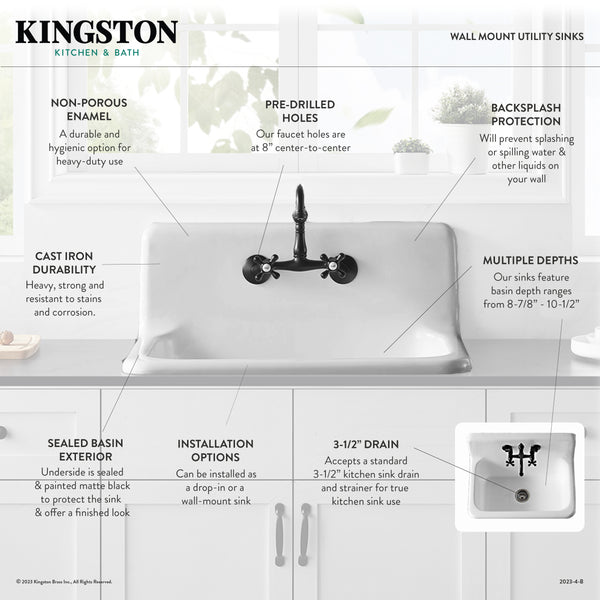
Choosing the right sink for your kitchen requires careful consideration of size, style, and material. Ensure the sink fits snugly within the countertop space, complementing your kitchen’s design. Proper installation involves securing the sink to prevent leaks and ensuring adequate drainage for optimal functionality.
Materials And Styles
Kitchen sinkscome in various materials. Stainless steel is popular. It’s durable and easy to clean. Ceramic sinks are elegant. They add a classic look. Granite sinks are strong and stylish. Each material has its benefits. Choose the style that fits your kitchen. Modern or traditional styles can be chosen. Pick the one that matches your taste.
Size And Configuration
Gathering Tools And Materials
Gather essential tools and materials before fitting a kitchen sink. Include a wrench, plumber’s putty, and silicone sealant. Ensure you have the sink, faucet, and necessary pipes ready for installation.
Essential Tools
To fit a kitchen sink, use the right tools. You will need a wrenchand a screwdriver. A tape measureis also important. Keep a bucketnearby for any water spills. A utility knifeis useful for cutting sealant. Use pliersfor tightening connections.
Required Materials
Gather all materialsbefore starting. Ensure you have a sinkand faucet. You will need sealantto prevent leaks. Use plumber’s tapefor tight seals. Have a drain kitready for the plumbing. Ensure all materials are in good condition.
Preparing The Installation Area
Ensure the countertop is clean and dry before installation. Measure the sink’s dimensions and mark the area. Cut the hole carefully, following the markings for a precise fit.
Clearing The Space
Remove all items from under the sink. This includes cleaning supplies and tools. Ensure the area is free of clutter. You need space to work comfortably. Organize your tools for easy access. A clean area helps prevent accidents. Make sure to check for any water leaks. Fix them before proceeding.
Measuring And Marking
Use a tape measure to check the dimensions. Measure the countertop and sink carefully. Mark the positions using a pencil. This helps in proper alignment. Ensure all measurements are accurate. Double-check to avoid mistakes. Precision is crucial for a good fit. Have a friend help if needed. Working together makes tasks easier.
Removing The Old Sink
Start by disconnecting the water supply and removing the plumbing beneath the sink. Loosen and lift the old sink from its position carefully to avoid any damage.
Disconnecting Plumbing
Turn off the water supply. This stops water flow. Unscrew the pipes under the sink. Use a wrench for tight connections. Protect floors with towels or buckets. Water might spill during this process. Carefully disconnect the drainpipes. Check for any leftover water in pipes. Remove the clips holding the sink in place. Be gentle to avoid damage.
Lifting Out The Old Sink
Lift the sink straight up. Ask for help if it’s heavy. Be cautious with edges, they can be sharp. Place the old sink in a safe spot. Check the countertop for damage. Clean the area thoroughly. Ensure all old caulk is removed. Prepare the space for the new sink installation.
Installing The New Sink
Fitting a kitchen sink involves precise measurement and secure attachment. Gather tools and ensure all connections are tight. Double-check for leaks and proper alignment for a smooth installation process.
Placing The Sink
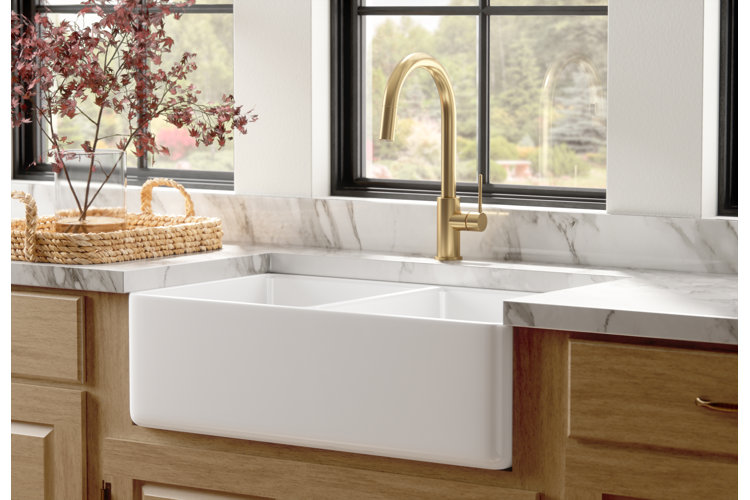
First, check the sink’s size. Make sure it fits the counter hole. Carefully lower the sink into the space. Ensure it sits well. Adjust if it’s not straight. A snug fit is important. This helps avoid leaks later.
Securing The Sink
Use clips or brackets to hold the sink. Tighten them underneath the counter. Ensure they are snug but not too tight. This keeps the sink steady. Apply a bead of silicone sealant around the edge. This seals the sink to the counter. Let it dry before using the sink.
Credit: www.wayfair.ca
Connecting The Plumbing
Connecting the plumbing for a kitchen sink involves attaching pipes securely to ensure proper drainage. Tighten fittings and check for leaks to guarantee a smooth water flow. Proper alignment of pipes helps prevent blockages and maintains an efficient kitchen workspace.
Attaching Drain Pipes
First, ensure the sink is in place. Then, connect the drain pipes. Use a rubber gasket to prevent leaks. Attach the P-trap under the sink. Make sure it aligns with the wall pipe. Tighten the nuts by hand. Use a wrench for a secure fit. Test the connection with water. Check for any leaks. Adjust if needed. A tight seal is crucial. It keeps water from leaking.
Connecting Water Supply
Attach the water supply lines to the faucet. Ensure they are not twisted. Use adjustable pliers for a tight fit. Connect the hot and cold lines correctly. Tighten the connections securely. Turn on the water supply. Check for leaks around the faucet. Tighten if you see any drips. Ensure water flows smoothly. Proper connection ensures no future leaks. Always double-check your work.
Testing And Sealing
Testing and sealing ensure your kitchen sink fits perfectly and prevents leaks. Use silicone sealant around the edges for a watertight seal. Test the installation by running water to check for any leaks.
Checking For Leaks
Turn on the tap and let the water run. Look under the sink for any drops. Use a flashlight to see better. Check all pipes and connections. Fix any loose parts you find. Tighten screws with a wrench. Keep watching for a few minutes. Ensure no leaks appear.
Applying Sealant
Choose a waterproof sealant for sinks. Clean the area first. Remove any dirt or grime. Apply sealant around the edges of the sink. Use a steady hand for smooth lines. Let it dry completely. Check instructions for drying time. Don’t use the sink until it’s dry. This prevents water damage.
Finishing Touches
First, remove any dust or dirt around the sink. Use a soft cloth. This prevents scratches on the surface. Choose a gentle cleaner for the sink. Apply it evenly. Rub the cleaner with a cloth. Polish the sink until it shines. Avoid harsh chemicals. They can damage the sink.
Check the sink’s alignment. Ensure it is straight and secure. Tighten any loose bolts or screws. Adjust the faucet if necessary. Make sure water flows smoothly. Test the sink for leaks. Fix any problems quickly. Look at the seal around the sink. It should be tight and neat. Adjust if needed.

Credit: torva.com
Frequently Asked Questions
How Do I Choose The Right Kitchen Sink Size?
Selecting the right kitchen sink size depends on your countertop space and kitchen layout. Measure your existing sink or space to ensure a proper fit. Consider your daily usage and choose a size that accommodates your needs without overpowering the area.
What Tools Are Needed To Fit A Kitchen Sink?
To fit a kitchen sink, you will need a wrench, screwdriver, plumber’s putty, and a tape measure. Having a bucket handy for any water spills is also helpful. Ensure you have all tools ready for a smooth installation process.
How Do I Remove The Old Kitchen Sink?
First, turn off the water supply and disconnect plumbing fixtures. Use a wrench to loosen mounting clips under the sink. Gently lift the old sink out of the countertop. Be cautious of any remaining water in the pipes.
Can I Fit A Kitchen Sink Myself?
Yes, you can fit a kitchen sink yourself with proper tools and guidance. Follow manufacturer instructions closely. However, if you’re unsure, consider hiring a professional plumber to ensure a secure and leak-free installation.
Conclusion
Fitting a kitchen sink can feel like a big task. But, with clear steps, it’s manageable. You start by gathering tools and checking measurements. Then, prepare the area for installation. Follow instructions carefully to avoid mistakes. Tight connections prevent leaks.
Regular checks ensure everything stays in place. With patience, the job gets done right. Now, enjoy your new sink. It’s more than a fixture; it’s a central part of your kitchen. Ready to tackle more home projects? You’ve got this! Keep learning and improving.
Your kitchen deserves the best you can offer.