If you’ve just got a KitchenAid mixer or have one sitting on your counter waiting to be used, you’re in the right place. This powerful kitchen tool can make baking and cooking faster, easier, and more fun.
But to get the best results, you need to know how to use it properly. In this guide, you’ll discover simple steps and insider tips to master your KitchenAid mixer quickly. By the end, you’ll feel confident whipping up everything from dough to frosting like a pro.
Ready to unlock your mixer’s full potential? Let’s dive in.
Choosing The Right Mixer Model
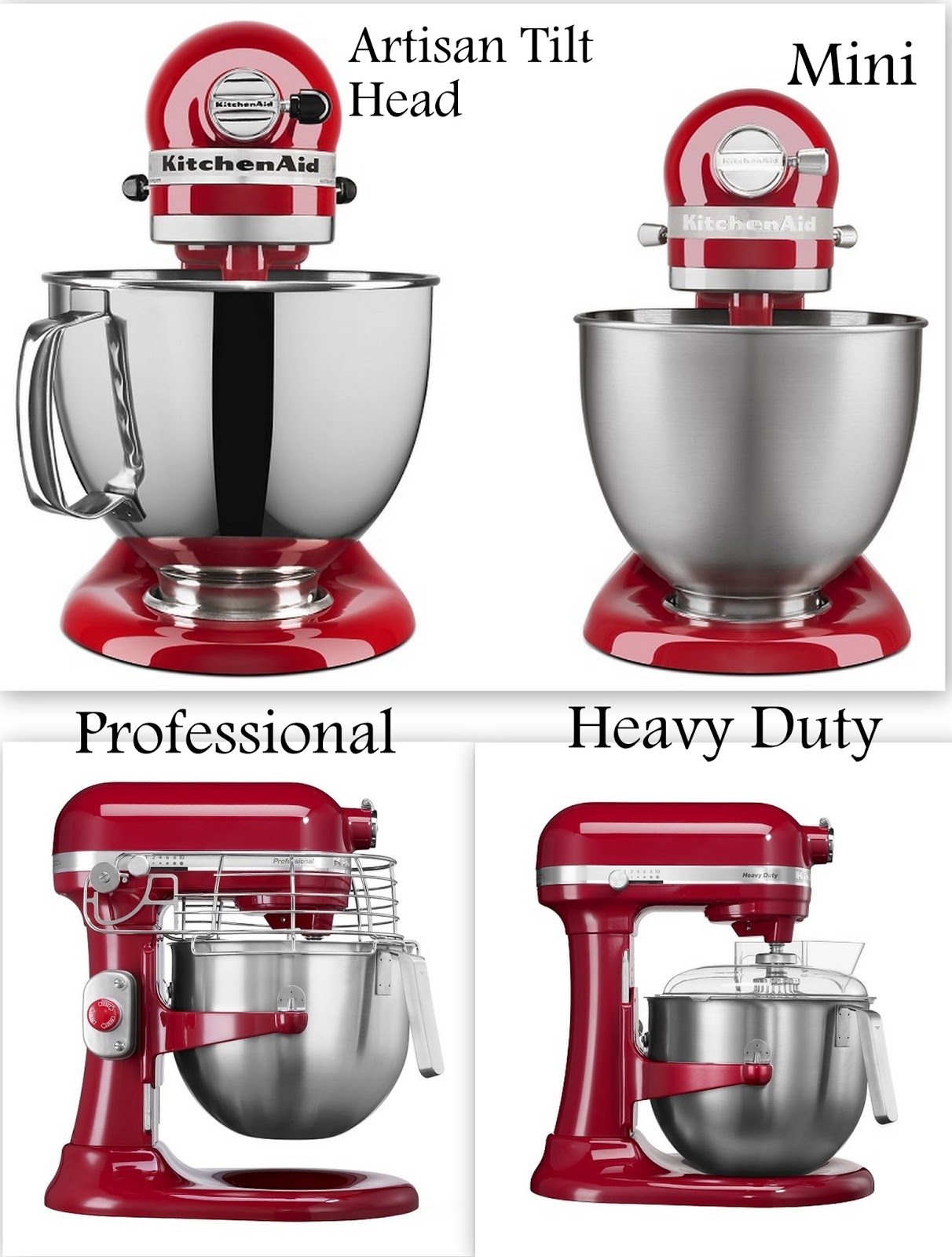
KitchenAid offers several stand mixer types. Choose one that fits your kitchen space and cooking needs. The Classicmodel works well for small tasks. The Artisanhas a larger motor for more power. The Professionalseries handles heavy doughs and big batches.
Key features to consider include motor size, bowl capacity, and speed settings. A stronger motor can mix thick dough easily. Bowl size matters if you cook in large amounts. Multiple speeds help with different recipes. Attachments like dough hooks and beaters add value.
| Feature | Why It Matters |
|---|---|
| Motor Power | Handles tough dough and large mixes |
| Bowl Size | Fits the amount of food you usually make |
| Speed Options | Allows better control for different recipes |
| Attachments | Increases mixer’s versatility |

Credit: www.kitchenaid.ca
Setting Up Your Mixer
Open the box carefully and take out all parts. Check if the mixer, bowl, and attachments are included. Wipe the mixer and bowl with a clean cloth before use.
To attach the bowl, place it on the base and turn it gently until it locks. Make sure it feels secure. Attach the desired tool by pushing it onto the mixer’s hub until it clicks.
- Flat beater: best for mixing cake batter or cookie dough.
- Wire whip: great for whipping cream or egg whites.
- Dough hook: perfect for kneading bread dough.
Basic Mixer Functions
Kitchenaid mixers have simple controls for speed and mixing settings. Use the speed dial to adjust power from slow stirring to fast whipping. Attachments like the paddle, whisk, or dough hook fit easily for different tasks.
Speed Settings Explained
KitchenAid mixers have different speed settings. Each speed has its own use. Low speeds are good for mixing soft dough. Medium speeds work well for cake batter. High speeds are perfect for whipping cream. Always start at the lowest speed. Increase gradually to avoid spills.
Using The Tilt-head And Bowl-lift
The tilt-headdesign allows easy access. You can tilt the head back to add ingredients. The bowl-lift design is different. It uses a lever to lift the bowl up. Both designs make mixing easy. Always secure the bowl before starting. This prevents the bowl from moving.
Common Attachments And Uses
The Flat Beateris perfect for mixing cake batter, cookie dough, and mashed potatoes. It blends ingredients evenly without overworking them.
The Dough Hookhelps knead bread and pizza dough. It saves time and effort by doing the hard work of stretching and folding the dough.
The Wire Whipis used to whip cream, egg whites, and frostings. It adds air quickly, making mixtures light and fluffy.
Tips For Efficient Mixing
Start mixing slowly. This helps ingredients blend well without splashing. Gradually increase the speedto reach the right texture. Slow start keeps the kitchen clean and ingredients inside the bowl.
Avoid overmixingto keep your dough or batter light and fluffy. Mix just until ingredients combine. Overmixing can make cakes tough and bread dense.
- Begin at low speed for even mixing
- Increase speed step by step
- Stop mixing as soon as ingredients are combined
- Use the right attachment for the task
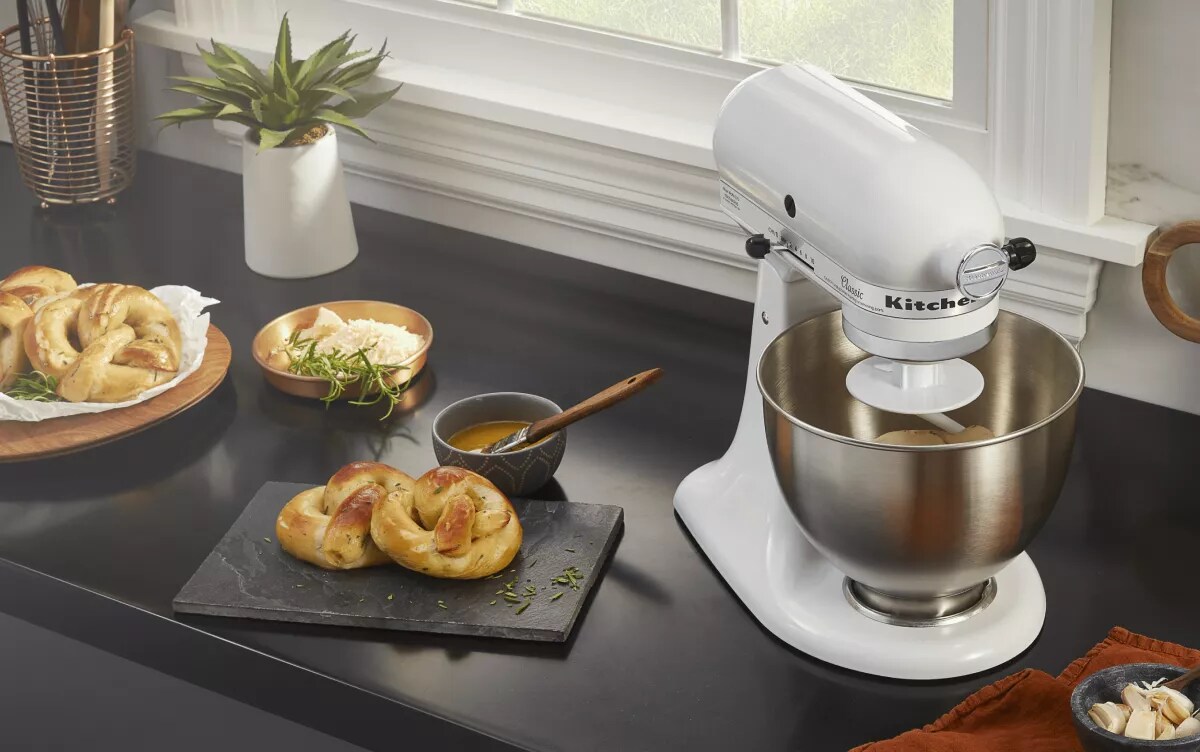
Credit: www.kitchenaid.com
Cleaning And Maintenance
Detach all removable parts like the bowl, beaters, and attachments carefully. Wash these parts with warm soapy water. Use a soft cloth or sponge to avoid scratches. Dry them completely before reassembling. Never put the mixer base in water. Wipe the base with a damp cloth and dry it well.
Store the mixer in a dry, cool place. Cover it with a cloth or plastic cover to keep dust away. Keep all attachments in one box or drawer to avoid losing them. Make sure the cord is wrapped loosely to prevent damage. Proper storage helps the mixer last longer and work better.
Troubleshooting Common Issues
Check the power source. Make sure the mixer is plugged in securely. Try another outlet to see if the problem is the socket. Inspect the power cord for damage or cuts. A damaged cord can stop the mixer from turning on.
Look at the mixer’s switch. Sometimes, it may not be fully pressed or stuck. Clean around the switch to remove dust or food bits that block it. Reset the mixer by unplugging it for a few minutes, then plug it back in.
| Issue | Possible Cause | Solution |
|---|---|---|
| Unusual Noises | Worn gears or motor problems | Stop using the mixer and contact service |
| Overheating | Extended use or blocked vents | Turn off mixer and let it cool for 30 mins |
Keep vents clean and free from dust. Never run the mixer for too long without breaks. This can cause the motor to heat up and stop working.
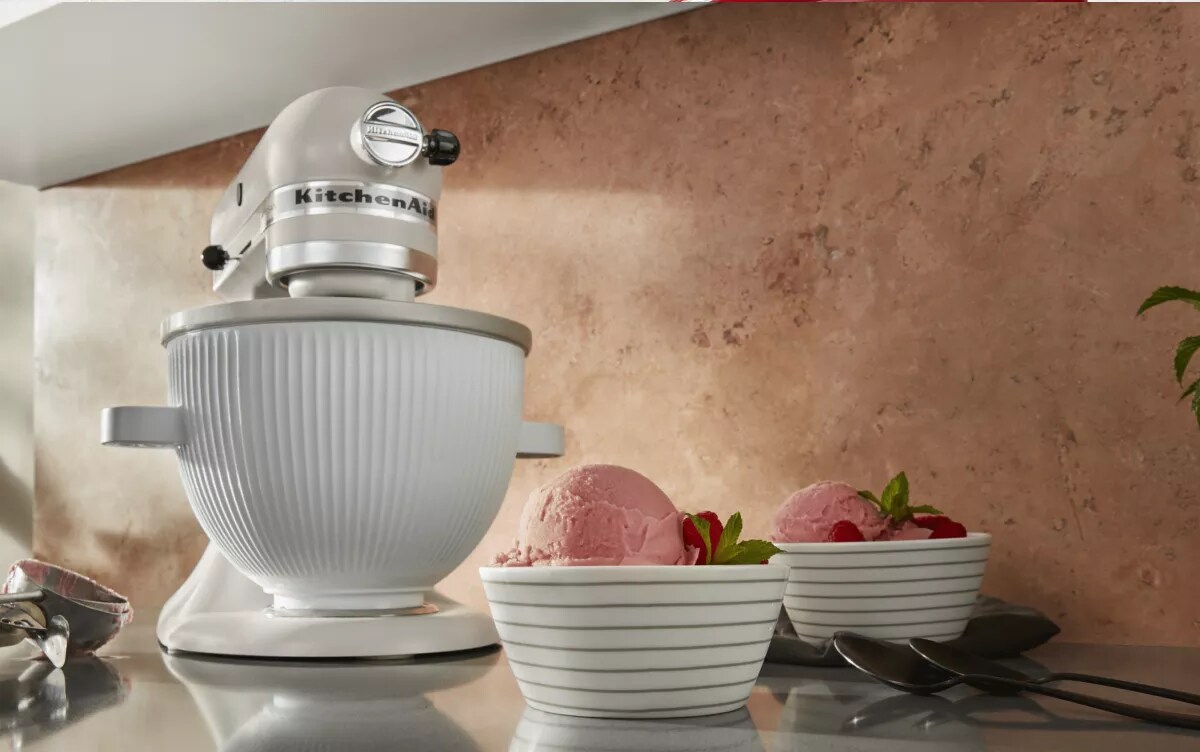
Credit: www.kitchenaid.com
Frequently Asked Questions
How Do I Assemble A Kitchenaid Mixer Properly?
To assemble, place the mixer on a stable surface. Attach the bowl by aligning and locking it. Secure the chosen attachment firmly onto the beater shaft before use.
What Speed Settings Are Best For Mixing Ingredients?
Use low speeds for combining dry ingredients. Medium speeds work well for batter mixing. High speeds are ideal for whipping cream or egg whites.
How Do I Clean A Kitchenaid Mixer Safely?
Unplug the mixer first. Remove attachments and wash them with warm, soapy water. Wipe the mixer’s body with a damp cloth, avoiding water entry into the motor.
Can I Use All Attachments With Any Kitchenaid Model?
Not all attachments fit every model. Check your mixer’s compatibility guide before purchasing. Using incompatible attachments may damage the mixer or reduce performance.
Conclusion
Using a KitchenAid mixer makes cooking easier and faster. It helps mix ingredients evenly and saves time. Start with simple recipes to get comfortable. Always use the right attachment for each task. Clean the mixer after every use to keep it working well.
With practice, your baking and cooking will improve. Enjoy the process and have fun in the kitchen!