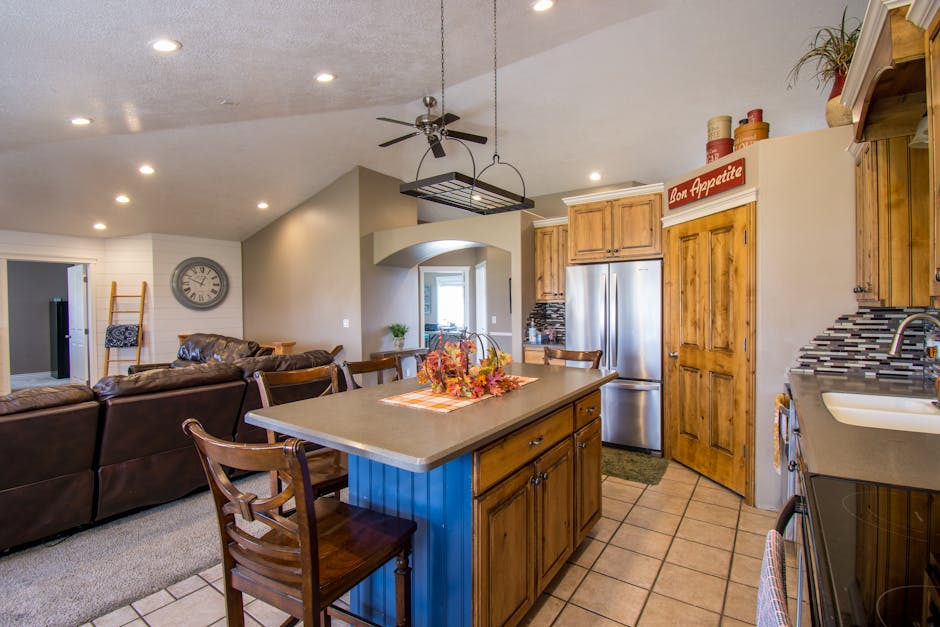
Are you planning a kitchen makeover or building a new kitchen from scratch? One of the most exciting and challenging decisions you’ll face is designing your kitchen island.
It’s not just about aesthetics; the size of your kitchen island can impact functionality, flow, and even your cooking experience. You might be wondering, how wide should your kitchen island be to maximize space and efficiency? Well, you’re in the right place to find out.
Discover the sweet spot that balances style and practicality, ensuring your kitchen island becomes the heart of your culinary haven. Stay with us, and you’ll learn everything you need to create the perfect centerpiece for your kitchen.
Ideal Kitchen Island Width
The perfect width for a kitchen island depends on kitchen size. Small kitchens need islands around 24 inches wide. Bigger kitchens can have islands up to 48 inches wide. This gives enough space for cooking and movement.
Leave at least 36 inches of aisle space around the island. This ensures safe and comfortable movement. Islands often include seating, storage, or appliances. Choose a width that fits your needs and kitchen layout.
Consider the activities around the island. Eating, cooking, or chatting may need more space. Remember, balance size and functionality for your ideal kitchen island.
Factors Influencing Width
The width of a kitchen island depends on the kitchen’s size. A small kitchen needs a narrow island. A large kitchen can have a wide island. The island’s purpose also affects its width. Cooking islands need more space. Islands for eating can be smaller. The space around the island is important too. You need room to walk and work. Usually, 36 to 48 inches is a good width. This allows easy movement and enough workspace. The number of people using the island matters. More people need more space. Consider the storage in the island. More storage needs more width. Think about appliances too. Bigger appliances need a wider island. Balance all these factors for a perfect fit.
Design Considerations
Kitchen islands need careful planning. Their width affects space and function. Most islands are around 36 to 48 inches wide. This allows people to move easily. If your kitchen is small, a narrow island is better. It should be at least 24 inches wide. This gives enough space for cooking and sitting.
Consider the tasks you’ll do on the island. Cooking needs space for appliances. Eating requires room for chairs and legs. If your family loves baking, more countertop space is helpful. You might need a wider island for this.
Consider the space around the island. There should be at least 42 inches between the island and other counters. This makes moving around easier and safer. Wider islands need more room. Check your kitchen’s layout carefully.
Space And Functionality
The kitchen island should fit the room size. Space around it is crucial. People need to walk around it easily. Functionality is important too. You should be able to work on it comfortably. It should help with cooking and storing things. Width matters a lot. A narrow island might not be useful. A very wide one might take too much space. Balance is key.
Think about its purpose. Is it for cooking or just storage? Cooking islands need more space. Storage islands can be smaller. Plan carefully for your needs.
Impact On Kitchen Flow
The width of a kitchen island affects kitchen flow. A wide island can block paths. It may cause people to bump into each other. A narrow island might not have enough space for things. This can make cooking hard.
Balance is very important. An island should be wide enough for tasks. It must also allow easy movement around it. Aim for a width between 36 to 48 inches. This is a good size for most kitchens.
Consider how many people use the kitchen. More users need more space. Also think about the island’s use. Cooking, eating, or both? Each use needs different space. Plan well for a happy kitchen flow.
Customizing For Your Needs
Kitchen islands are versatile pieces of furniture. They can be tailored to fit any space. The width of your island depends on several factors. Consider the size of your kitchen first. A small kitchen might need a narrower island. A large kitchen can accommodate a wider island.
Think about what you use the island for. Is it for cooking, eating, or storage? If you cook a lot, you might need a wider island. More space means more room for appliances and prep. If it’s mainly for eating, a narrower one might suffice.
Don’t forget to leave enough space around the island. People should walk comfortably between the island and other counters. Typically, 36 to 48 inches is ideal. This ensures smooth movement and accessibility.
Frequently Asked Questions
How Wide Should A Kitchen Island Be?
A kitchen island should be at least 36 inches wide. This width allows for adequate workspace and seating. For a more comfortable area, consider extending it to 42 to 48 inches. The size should also complement the overall kitchen layout and space availability.
What Is The Minimum Space Between Island And Counter?
The minimum space between a kitchen island and counter should be 42 inches. This spacing ensures smooth movement and efficiency in the kitchen. If the kitchen is a high-traffic area, consider extending it to 48 inches to improve accessibility.
Can A Small Kitchen Have An Island?
Yes, a small kitchen can have an island. Opt for a compact design, around 24 inches wide, to fit the space. Choose a mobile or multi-functional island to maximize utility. Ensure there’s sufficient clearance around the island for easy movement.
How To Decide Kitchen Island Size?
Consider kitchen layout, available space, and intended use. Measure the area and ensure at least 42 inches clearance around the island. Determine the island’s primary function, such as prep space or seating, to decide the appropriate size.
Conclusion
Choosing the right width for a kitchen island is crucial. It impacts functionality and space utilization. Consider your kitchen layout and personal needs. A typical width ranges from 36 to 48 inches. Smaller kitchens might need narrower islands. Larger spaces can afford wider ones.
Ensure enough clearance around the island for movement. Factor in seating and appliance placement. A well-planned kitchen island enhances cooking and socializing. Remember, every kitchen is unique. Tailor the island width to fit your lifestyle. Thoughtful planning leads to a practical and stylish kitchen space.