Your kitchen is the heart of your home. It’s where you whip up delicious meals, gather with loved ones, and create lasting memories.
But as much as you cherish your kitchen, keeping it spotless can be a challenge. Especially when it comes to those kitchen cabinets, which seem to attract grease, grime, and fingerprints like magnets. You might wonder, “What should I use to clean these cabinets effectively without damaging them?
” The right solution can transform your cleaning routine, making it easier and more efficient. Imagine opening your cabinets and seeing a pristine surface, free from smudges and stains. It’s not just about aesthetics; it’s about creating a welcoming and hygienic space for your family. You’re about to discover the secrets to achieving this effortlessly, using the best cleaning methods and products. Stay with us to learn how to make your kitchen cabinets sparkle and shine, bringing back the joy of spending time in your favorite room.
Types Of Kitchen Cabinets
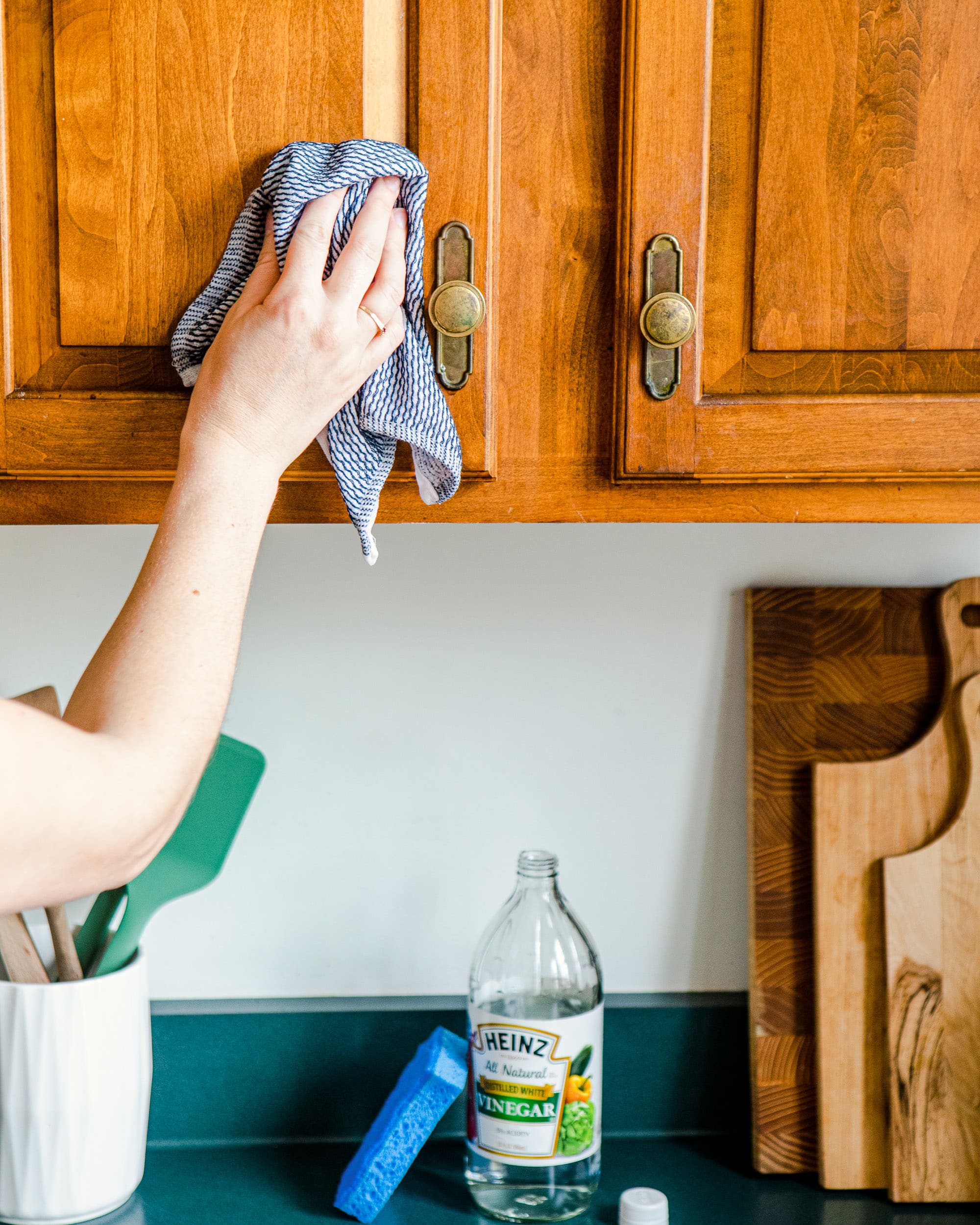
Wood cabinets are classic and elegant. They need gentle care. Use a mild soap and water to clean. Dry with a soft cloth. Avoid harsh chemicals. They can damage the wood. Regular dusting keeps them shiny.
Laminate cabinets are easy to clean. Wipe with a damp cloth and mild soap. They resist stains. Avoid abrasive cleaners. They can scratch the surface. Vinegar and water can remove sticky spots.
Metal cabinets are strong and durable. Use a soft sponge with soapy water. Rinse and dry them well. Avoid steel wool. It can scratch metal. Baking soda can help with tough stains.
Painted cabinets need gentle cleaning. Use a mild cleaner and water. Test on a small area first. Avoid soaking them. Dry immediately with a soft towel. This keeps the paint looking fresh.
Credit: www.thekitchn.com
Common Stains And Spills
Grease is sticky. It clings to cabinets. Warm soapy water helps. Use a soft cloth. Wipe gently. Repeat if needed.
Food leaves marks. Vinegar is good for cleaning. Mix with water. Spray on stains. Wipe with a soft cloth. It smells fresh too.
Water leaves spots. Baking soda helps. Mix with water. Make a paste. Apply on marks. Let it sit. Wipe clean.
Fingerprints are common. Use glass cleaner. Spray lightly. Wipe with a microfiber cloth. It keeps cabinets shiny.
Cleaning Tools And Materials
Microfiber cloths are gentle on surfaces. They are perfect for cleaning cabinets. They trap dust and dirt effectively. Use them dry or damp for best results. Always wash them after use.
Non-abrasive sponges help remove grime without damage. They are safe for most surfaces. Sponge material is soft and absorbent. Do not use harsh chemicals with them. Rinse sponges after cleaning.
Soft-bristle brushes reach into small corners. Brushes are useful for stubborn spots. They avoid scratching surfaces. Choose brushes with flexible bristles. Clean them regularly for long use.
Vacuum attachments clean cabinet edges well. They are ideal for removing dust. Attachments come in different shapes. Use them with a low suction setting. Keep them clean for better performance.
:max_bytes(150000):strip_icc()/steps-to-clean-kitchen-cabinets-1900630-final-5bbcde064cedfd0026eeec24.png "What to Use to Clean Kitchen Cabinets: Top Solutions 2")
Credit: www.thespruce.com
Commercial Cleaning Products
All-purpose cleaners are useful for many surfaces. They can clean cabinets too. These cleaners remove dirt and grime easily. Use a soft cloth with the cleaner. It helps to avoid scratches. Always read labels before using the cleaner. Some might need water to dilute. They are safe for wood and metal cabinets.
Cabinet-specific cleaners are made for kitchen cabinets. They keep cabinets shiny and clean. These cleaners are gentle on surfaces. They do not harm the paint or finish. Use them on wooden and laminate cabinets. Follow the instructions on the bottle. Some might need extra rinsing.
Grease can build up on cabinets. Degreasers cut through the grease. They make the cabinets look fresh. Spray the degreaser on a cloth first. Then wipe the cabinet surface. Do not use too much. It can leave marks. Always check if it’s safe for your cabinet material.
Polishes give cabinets a nice shine. They protect against dust and fingerprints. Apply polish with a soft cloth. Buff gently to get a smooth surface. Use it after cleaning the cabinets. Do not apply too often. It can build up and look dull. Choose a polish suitable for your cabinet type.
Diy Cleaning Solutions
Mix equal parts of vinegar and water. This solution is gentle and effective. Spray on cabinets and wipe with a soft cloth. It helps remove grime and grease. Vinegar also kills bacteria naturally.
Mix baking soda with a little water. Create a paste for tough stains. Rub it on spots with a cloth. Let it sit for a few minutes. Wipe clean with a damp cloth. It leaves surfaces shiny and clean.
Squeeze fresh lemon juice. Mix with a bit of water. The acidity cuts through grease. Lemon leaves a fresh scent. Use a cloth to apply. Wipe down the cabinets with ease.
Add a few drops of essential oil to water. Choose oils like lavender or lemon. They add a pleasant smell. Spray the mixture on cabinets. Wipe gently with a cloth. Enjoy the fresh and clean finish.
Cleaning Techniques
Use a soft cloth with warm, soapy water. Gently wipe away the dirt. Avoid harsh chemicals. They can damage the surface. Dry the area with a clean towel. This stops water spots.
Mix vinegar and water in equal parts. Spray on the cabinets. Let it sit for a few minutes. Scrub gently with a sponge. Dry with a soft cloth. This removes grease and grime.
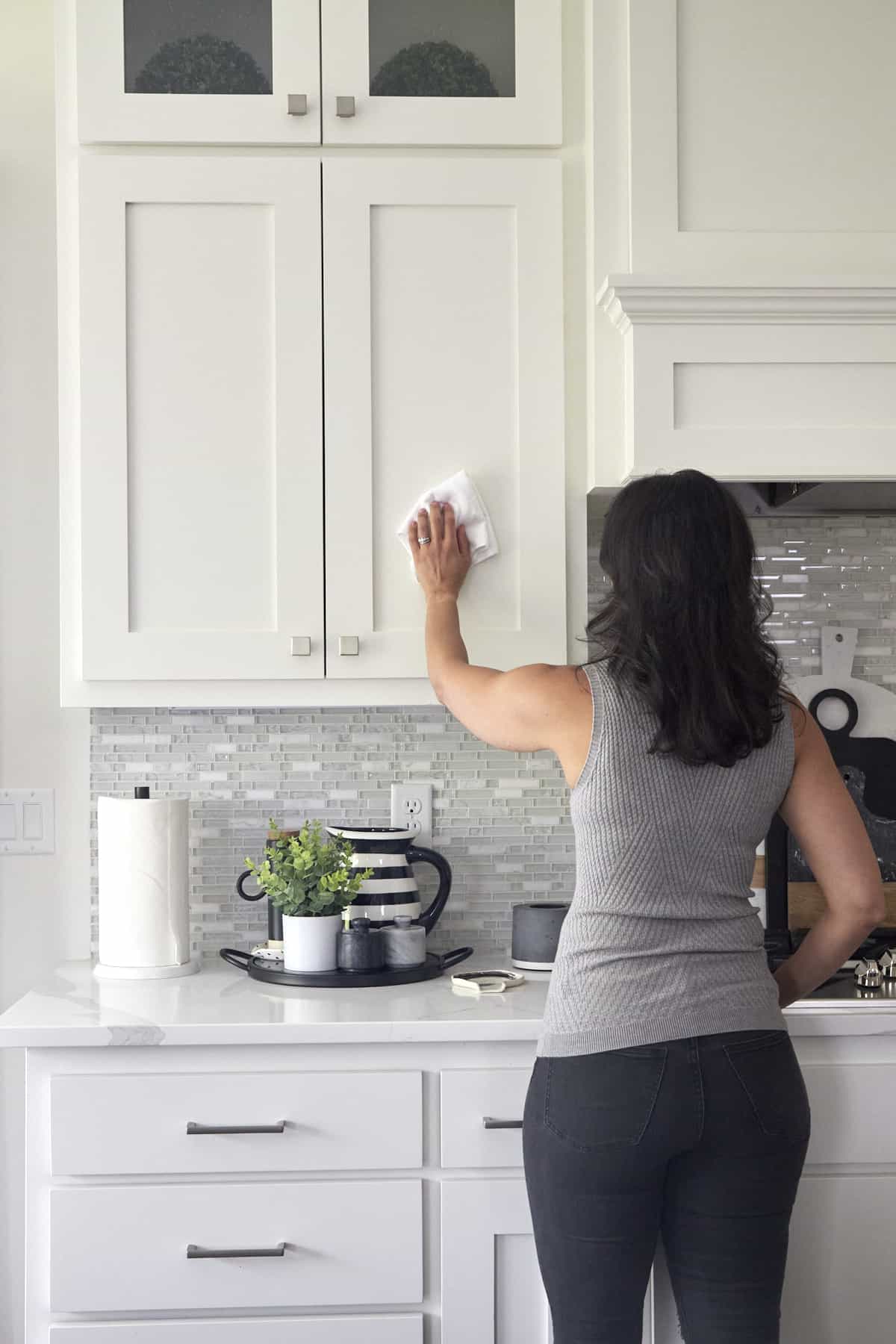
Wipe cabinets weekly with a damp cloth. This keeps them fresh. Use mild soap if needed. Dry them after cleaning. This prevents moisture damage.
Apply a layer of furniture wax. This protects the surface. It adds shine and keeps dirt away. Use a soft cloth to spread the wax. Buff to a shiny finish.
Safety Precautions
Always keep the kitchen well-ventilated. Open windows and doors. Fresh air is important. It helps remove strong smells. Bad smells can make you feel sick. Use a fan to move the air. Fresh air is your friend.
Read labels on cleaning products. Read carefully before using them. Never mix cleaning products. Mixing can make dangerous gases. Store chemicals away from kids. Keep them on high shelves. Use small amounts of cleaner. Less is better.
Wear gloves when cleaning. Protect your hands from chemicals. Use goggles for eye safety. Splashing liquids can hurt your eyes. Wear a mask to avoid breathing in fumes. Safety gear is important. It keeps you safe.
Credit: www.fooddolls.com
Eco-friendly Alternatives
Biodegradable products are safe for the earth. They break down easily after use. Cleaning sprays made from natural enzymes clean surfaces well. These sprays don’t leave harmful residues. Dish soap made from plant extracts is effective and gentle. It rinses off easily, leaving cabinets sparkling.
Vinegar and baking soda are great cleaning choices. They are powerful against dirt and grime. Mix vinegar with warm water for a cleaning solution. Baking soda works well for scrubbing. It removes tough stains without scratching. Lemon juice freshens and brightens surfaces.
Reuse old cloths for cleaning. Avoid paper towels. Cloths can be washed and used again. Choose products in recyclable packaging. This reduces waste. Use homemade cleaners. They are cost-effective and safe. Encourage family to adopt sustainable habits.
Frequently Asked Questions
What Is The Best Cleaner For Kitchen Cabinets?
The best cleaner for kitchen cabinets is a mild dish soap mixed with warm water. It effectively removes grease and grime without damaging the finish. For stubborn stains, use a mixture of baking soda and water. Always test any cleaner on a small area first.
Can Vinegar Damage Kitchen Cabinets?
Vinegar can be too acidic for some cabinet finishes, potentially causing damage over time. It’s best to dilute vinegar with water before use. A safe mixture is equal parts water and vinegar. Always test the solution on an inconspicuous area before cleaning visible surfaces.
How Often Should You Clean Kitchen Cabinets?
You should clean kitchen cabinets at least once a month to prevent buildup of grease and grime. Regular cleaning keeps them looking fresh and extends their lifespan. For high-use areas, consider cleaning more frequently, especially around handles and cooking spaces.
Is It Safe To Use Baking Soda On Cabinets?
Yes, baking soda is safe for cleaning cabinets. It acts as a gentle abrasive and is effective at removing stains. Mix it with water to create a paste for tough spots. Always test it on a small, hidden area to ensure it doesn’t harm the finish.
Conclusion
Cleaning kitchen cabinets doesn’t have to be difficult. Choose the right cleaners for your cabinet material. Use gentle cleaners for wood. Vinegar and water work well for grease. Baking soda helps with tough stains. Always test cleaners on a small spot first.
This prevents damage. Wipe cabinets with a soft cloth after cleaning. Dry them well to avoid water spots. Regular maintenance keeps cabinets looking new. With these tips, your kitchen will shine. Enjoy your fresh and clean space!