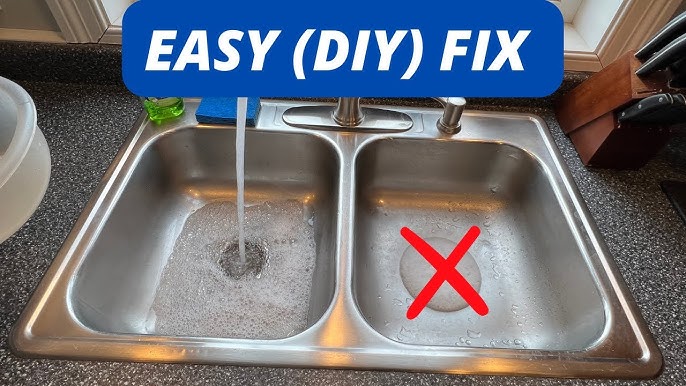
You’re standing in your kitchen, staring at the sink that just won’t do its job. Frustrating, right?
You’ve got dishes to wash and recipes to try, but that stubborn drain is holding you back. You’re not alone. Many homeowners find themselves asking, “Why is my kitchen sink not draining? ” Is it a simple clog, or something more complex?
You need answers, and fast. This article is here to guide you through the possible causes and solutions, ensuring you can get back to your culinary adventures without delay. Dive in to discover how you can tackle this common issue with ease and confidence. Your sink and your peace of mind depend on it!
Common Causes Of A Clogged Sink
Bits of food can block the drain. Chopped veggies and rice are common culprits. They build up and stop water flow. Regular cleaning helps to prevent this.
Grease and oil can harden in pipes. They stick and catch other debris. This creates a thick block. Avoid pouring fats down the sink.
Small items can fall into the sink. Rings and bottle caps are examples. They can get stuck in the drain. Use a sink cover to catch them.
Pipes can have narrow bends. These bends catch debris. Over time, they get blocked. Regular maintenance can keep them clear.
Credit: www.yourrepair.co.uk
Simple Tools For Sink Unclogging
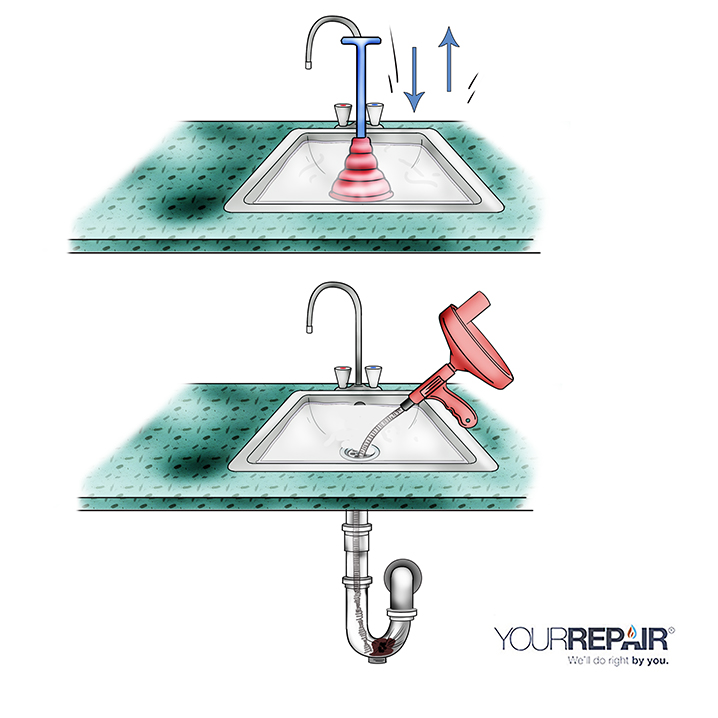
A plunger can help clear a clogged sink. First, fill the sink with water. The water should cover the plunger’s cup. Place the plunger over the drain. Push it down firmly. Then, pull up quickly. Repeat this motion several times. It creates pressure. This pressure can dislodge the clog. Make sure the plunger stays sealed. This helps it work better.
A drain snake is a flexible tool. It reaches deep into pipes. Insert the snake into the drain. Turn the handle gently. This helps the snake grab the clog. Pull the snake out slowly. The clog might come with it. Be careful not to push the clog further. This tool is handy for tough clogs.
Mix baking soda with vinegar. This creates bubbles. Pour baking soda into the drain first. Then, add vinegar slowly. Bubbles will start to form. They break down the clog. Wait for a few minutes. Rinse with hot water. This helps clear the drain. It’s a simple and natural method.
Step-by-step Quick Fixes
Pull out the sink stopper. Often, debris sticks to it. Clean it well with soap and water. Check for any blockage around the stopper area. Sometimes, small food pieces get stuck there. Place the stopper back carefully. Make sure it fits correctly. This may solve the problem.
Turn off the garbage disposal. Safety first. Use a flashlight to look inside. Check for food clogs or stuck objects. Use a long tool to gently remove any blockage. Don’t use your hand. Turn the disposal back on. Listen for smooth operation. This can help the water drain better.
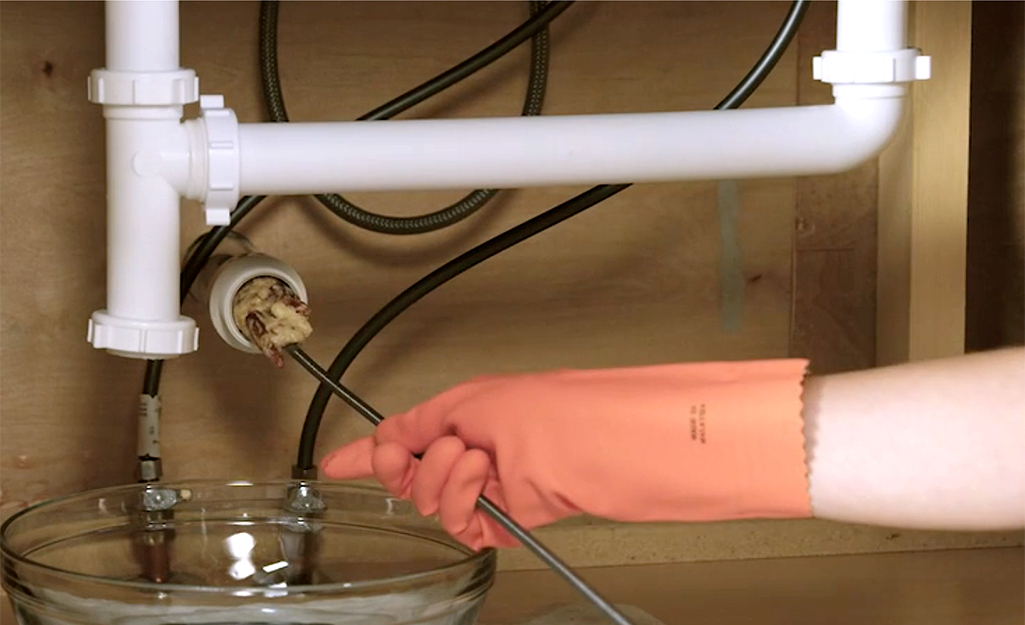
Find the P-trap under your sink. Place a bucket below it to catch water. Loosen the nuts with a wrench. Remove the trap. Check inside for debris or buildup. Clean it thoroughly. Rinse with water. Put the P-trap back securely. Tighten the nuts well. This step can clear the drain.
Preventing Future Clogs
Kitchen sinks often clog due to food debris and grease buildup. Regularly clean the drain to prevent future clogs. Use a strainer to catch food particles and avoid pouring grease down the sink.
Regular Cleaning Habits
Clean the sink often to keep it clear. Use hot water to flush the pipes. Scrub the sink with soap and a sponge. Remove any food bits stuck in the sink. This stops clogs before they start.
Proper Waste Disposal
Don’t pour grease down the drain. Grease hardens and blocks pipes. Throw coffee grounds in the trash. They can clog drains too. Use the garbage bin for food scraps. It helps keep drains clear.
Using Drain Screens
Place a drain screen over the plug hole. It catches food bits and hair. Clean the screen often. Empty it into the trash. This prevents clogs from forming.
When To Call A Professional
Facing a stubborn kitchen sink blockage can be frustrating. Persistent clogs or slow drainage might indicate deeper issues. A professional plumber can diagnose and fix complex problems, ensuring smooth water flow.
Persistent Clogs
Some clogs never go away. You try everything, but the water stays. This means it’s time to call a professional. They have the right tools to fix stubborn clogs. Experts can also find hidden problems. They make sure your sink drains smoothly.
Recurring Drain Issues
Drains that clog again and again are frustrating. They might have a bigger problem. Professionals can spot issues deep in your pipes. They check for blockages and other troubles. It’s best to get help early. This saves time and prevents headaches.
Signs Of Pipe Damage
Cracks or leaks in pipes are serious. You might see water on the floor. Sometimes, pipes make strange noises. These signs need quick action. Professionals can fix pipe damage. They ensure your kitchen stays clean and safe.
Credit: www.homedepot.com
:max_bytes(150000):strip_icc()/how-to-unclog-a-kitchen-sink-2718799_sketch_FINAL-6d86f43bcb464f8ca5b61f240c2d8bf9.png "Why is My Kitchen Sink Not Draining: Quick Fixes 3")
Credit: www.thespruce.com
Frequently Asked Questions
Why Is My Sink Draining Slowly?
A slow-draining sink is often caused by a partial clog. This can be due to food particles, grease, or soap residue. Regular cleaning can help prevent buildup, ensuring smooth water flow. Use a plunger or plumbing snake to clear minor blockages effectively.
Can Grease Cause Sink Blockages?
Yes, grease can solidify and stick to pipes, causing blockages. Over time, it accumulates and narrows the pipe passage. To prevent this, avoid pouring grease down the sink. Dispose of grease in a container and throw it in the trash.
How Can I Fix A Clogged Sink?
To fix a clogged sink, first try using a plunger. This can dislodge minor clogs effectively. If that doesn’t work, use a plumbing snake to reach deeper blockages. Regular maintenance can help prevent future clogs and keep your sink draining smoothly.
Should I Use Chemical Drain Cleaners?
Chemical drain cleaners can be effective but may damage pipes over time. They can cause corrosion if used frequently. Instead, try natural solutions like baking soda and vinegar. These are safer for your plumbing system and can clear minor clogs effectively.
Conclusion
Facing a clogged kitchen sink can be frustrating. Simple fixes often solve the issue. Check for common blockages like food particles or grease. Use a plunger or baking soda and vinegar mixture. These methods can clear minor clogs quickly. If the problem persists, consider calling a plumber.
Regular maintenance helps prevent future clogs. Clean drains routinely to avoid buildup. A well-maintained sink ensures smooth water flow. It saves time and stress. Remember, proper care keeps your kitchen running smoothly. With these tips, enjoy a hassle-free kitchen experience.
Stay proactive, and maintain a clean, efficient sink.