Choosing the right kitchen utensils is more important than you might think. The tools you use every day can affect your health and the taste of your meals.
But how do you know which ones are truly safe? You want utensils that won’t release harmful chemicals or damage your cookware. You’ll discover the safest types of kitchen utensils to use, so you can cook with confidence and keep your family healthy.
Keep reading, and make your kitchen a safer place today.
Credit: www.hungryhuy.com
Common Kitchen Utensil Materials
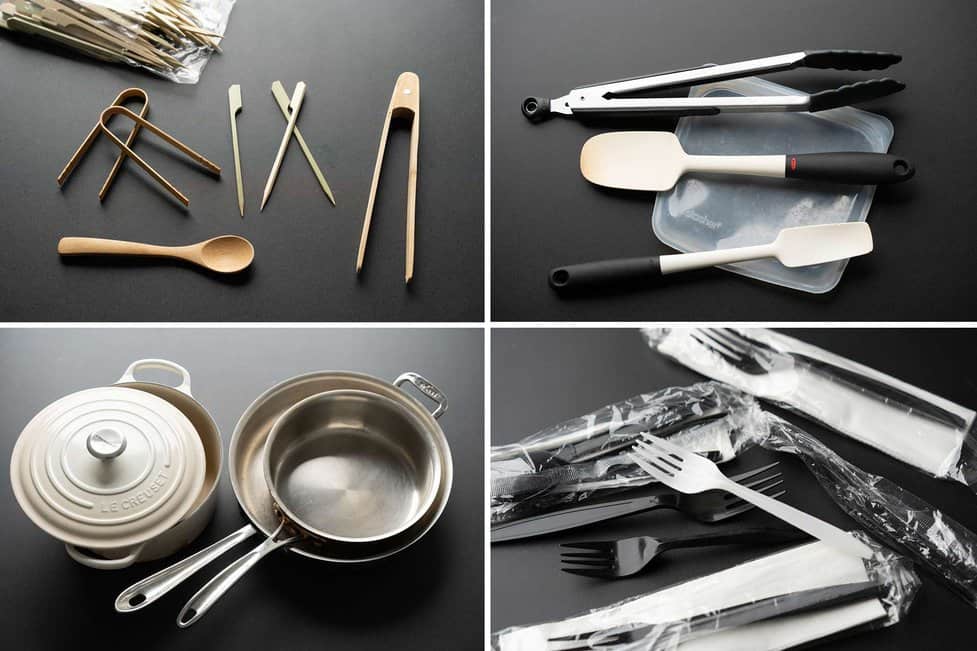
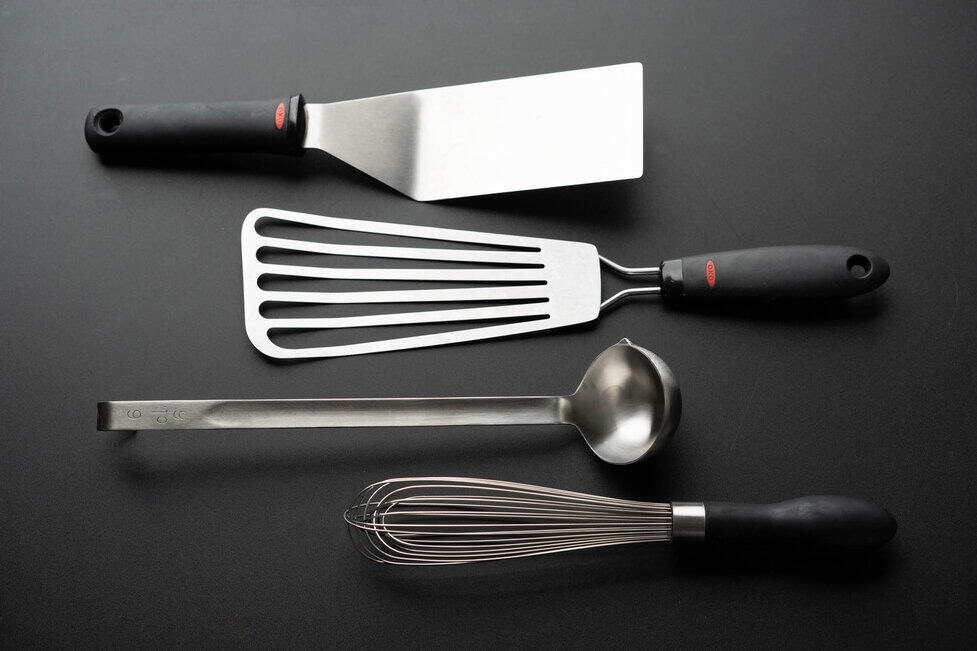
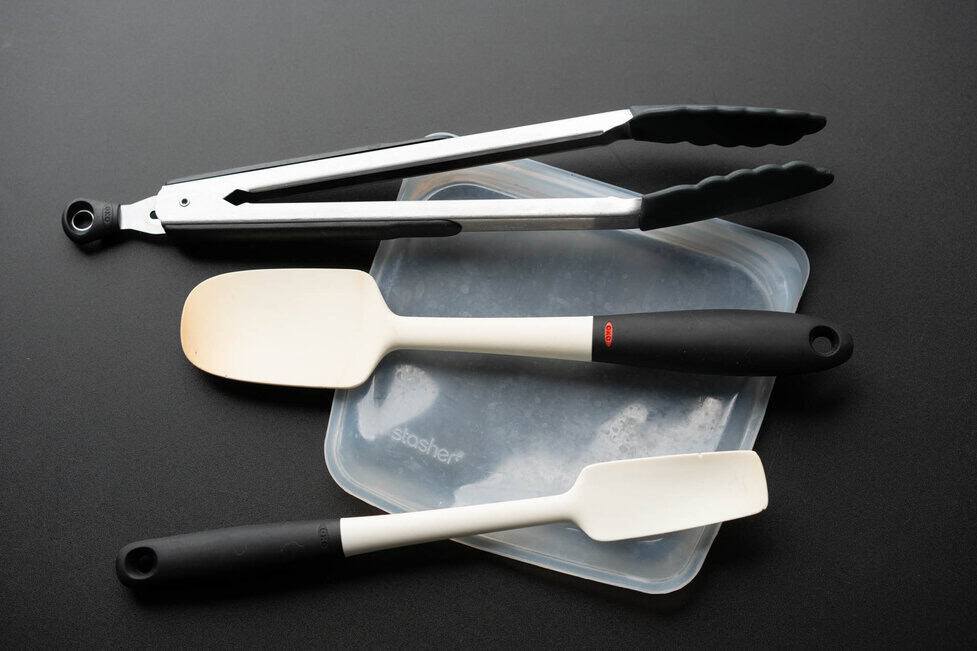
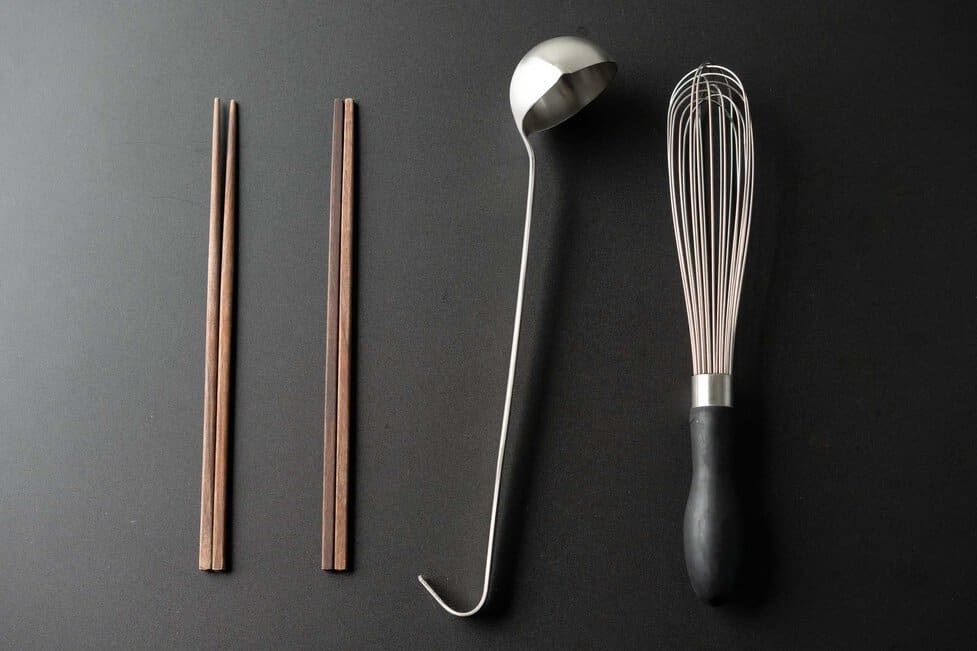
Stainless steelutensils are durable and rust-resistant. They do not react with food, making them safe for cooking. Easy to clean and long-lasting.
Siliconeis heat-resistant and flexible. It does not scratch cookware and is safe for non-stick pans. Easy to wash and does not absorb odors.
Woodutensils are gentle on pots and pans. They do not conduct heat and feel comfortable in hand. Must be dried properly to avoid cracking or mold.
Plasticutensils are light and cheap but can melt on high heat. Choose BPA-free options to avoid harmful chemicals. Best for cold or low-heat use.
Copperis a good heat conductor but can react with acidic foods. Usually lined with another metal for safety. Requires regular polishing to keep shiny.
Health Risks Of Unsafe Utensils
Chemical leachinghappens when harmful substances from utensils mix with food. Plastic and low-quality metal utensils can release toxins, especially when heated. These chemicals may cause health problems over time.
Bacterial growthis a risk with utensils that have cracks or rough surfaces. Bacteria hide and multiply in these spots. Using damaged or unclean utensils can spread germs and cause illness.
Heat damageaffects utensils made of plastic or coated materials. High heat can melt or chip these items, releasing harmful particles into food. Metal utensils can also become unsafe if they rust or corrode.
Non-toxic Utensil Choices
BPA-free plasticsare a safe choice for kitchen utensils. They do not release harmful chemicals when heated. These plastics are durable and easy to clean. They help keep food safe from toxins.
Food-grade siliconeis another excellent option. It can handle high temperatures without melting. Silicone utensils are flexible and gentle on cookware. They do not absorb odors or stains.
Natural wood varietiesoffer a traditional and safe alternative. Wooden utensils do not react with food or heat. They are biodegradable and have a natural look. Regular oiling keeps them in good shape and stops cracking.
Credit: www.hungryhuy.com
Durability And Maintenance
Cleaning kitchen utensilsregularly keeps them safe and lasting longer. Use warm water and mild soap for most utensils. Avoid harsh scrubbers that can damage surfaces. Dry utensils fully before storing to stop rust and bacteria growth.
- Avoiding wear and tearmeans using utensils only for their purpose.
- Wooden utensils need oiling to stop cracking and drying out.
- Metal utensils should not be left wet or exposed to air.
Watch for signs of damage like cracks or rust. Replacing old utensilshelps keep cooking safe and easy. Old tools can harbor germs or break during use. Swap worn utensils for new ones to keep your kitchen healthy.
Eco-friendly Utensil Options
Biodegradable kitchen utensils break down naturally. They reduce waste and harm to the environment. Common materials include bamboo, wood, and plant-based plastics. These materials are safe and do not release toxins when thrown away.
Recycled and upcycled products give new life to old materials. They help cut down on trash and save resources. Utensils made from recycled metalsor plasticare strong and eco-friendly. Choosing these helps protect the planet while keeping kitchens functional.
Credit: www.hungryhuy.com
Selecting Utensils For Specific Cooking Needs
High-heat cookingneeds utensils that can handle strong temperatures without melting or warping. Metal spoons, stainless steel, and silicone tools are good choices. Avoid plastic as it may melt or release chemicals. Wooden utensils also work well and do not scratch pots.
For non-stick cookware, use only soft utensils like silicone, wood, or plastic to protect the coating. Metal tools can cause scratches and damage the surface. This helps your pans last longer and stay safe for cooking.
Baking toolsshould be heat resistant and sturdy. Silicone spatulas, metal whisks, and wooden spoons are common. Choose tools that do not bend or break easily in the oven. Avoid plastic that cannot handle high baking temperatures.
Frequently Asked Questions
What Kitchen Utensils Are Safest For Non-stick Cookware?
Silicone, wooden, and plastic utensils are safest for non-stick cookware. They prevent scratches and preserve the non-stick surface. Avoid metal tools as they can damage the coating and reduce the lifespan of your pans.
Are Stainless Steel Utensils Safe For Cooking?
Yes, stainless steel utensils are safe and durable. They resist rust, don’t react with food, and are easy to clean. However, avoid using them on delicate non-stick surfaces to prevent scratches.
Can Plastic Utensils Release Harmful Chemicals When Heated?
High-quality, BPA-free plastic utensils are safe for cooking at moderate temperatures. Avoid low-quality plastics, as they may release harmful chemicals when heated. Always check the manufacturer’s heat resistance guidelines before use.
Why Are Wooden Utensils Considered Safe For Cooking?
Wooden utensils are naturally safe and non-toxic. They don’t scratch cookware and resist heat well. Wood also doesn’t react with acidic foods, making it ideal for various cooking tasks.
Conclusion
Choosing safe kitchen utensils protects your health and improves cooking. Materials like stainless steel, silicone, and wood work well and last long. Avoid utensils that melt or release chemicals when heated. Regularly check for damage or wear to stay safe.
Simple care keeps utensils clean and ready for use. Safe tools make cooking easier and more enjoyable every day. Remember, small choices in your kitchen can lead to big health benefits. Choose wisely and cook with confidence.