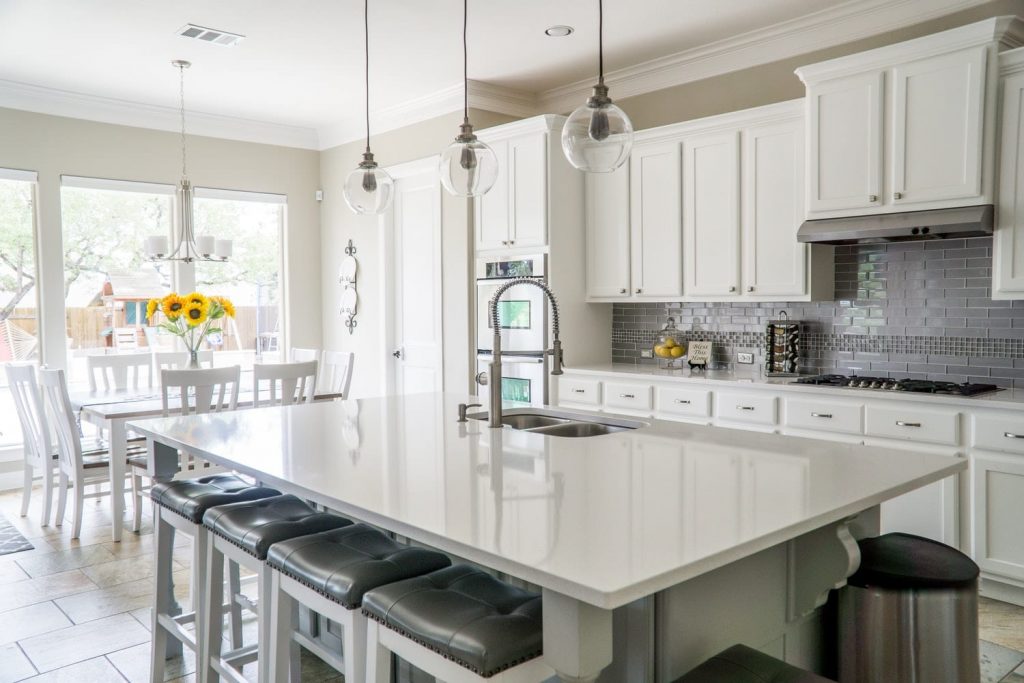
Imagine walking into your kitchen and being greeted by the gleaming brightness of spotless white cabinets. It’s a sight that can make your entire kitchen feel fresh, vibrant, and inviting.
Yet, keeping those white kitchen cabinets pristine can sometimes feel like an uphill battle. You might find yourself constantly battling fingerprints, smudges, or the occasional spill that threatens to ruin their crisp, clean look. But don’t worry—you’re not alone in this struggle.
In this guide, we’ll uncover the secrets to maintaining the brilliance of your white cabinets with minimal effort. You’ll discover simple, effective techniques that not only clean but protect them from future stains. Say goodbye to endless scrubbing and hello to a kitchen that always looks its best. Ready to transform your cleaning routine and fall in love with your kitchen all over again? Let’s dive in!
Credit: glimmr.co.uk
Choosing The Right Cleaning Products
Natural cleaners are safe for white cabinets. Lemon juice mixed with water can remove stains. Vinegar is another good option. It cleans and shines surfaces. Baking soda can tackle tough spots. It’s gentle but effective.
Commercial cleaners are made for kitchen cabinets. Some are specially designed for white surfaces. Look for non-abrasive options. They prevent scratches and damage. Spray and wipe with a soft cloth. Follow instructions for best results.
Harsh chemicals can harm cabinet surfaces. Bleach can fade colors and damage finishes. Strong acids might cause permanent marks. Choose gentle formulas for cleaning. Always test new products on a small area first. This ensures no unwanted reactions.
Preparing The Cabinets
Brighten your kitchen by cleaning white cabinets with gentle soap and warm water. Wipe with a soft cloth, ensuring all corners are spotless. Finish by drying with a microfiber towel for a streak-free shine.
Removing Cabinet Contents
Take out everything inside the cabinets. This includes dishes, cups, and food. Place items on a clean surface. Check for expired food and broken items. Dispose of these properly. Ensure shelves are empty before cleaning. This helps in reaching every corner.
Dusting And Debris Removal
Use a soft cloth to wipe away dust. Pay attention to corners and edges. Dust loves hiding there. A vacuum can help with larger debris. Use a brush attachment for this. Don’t forget the cabinet tops. Dust can gather there unnoticed. Repeat until all dust is gone.
Daily Maintenance Tips
Clean white kitchen cabinets with a soft cloth and mild detergent. Rinse with water to remove soap residue. Dry thoroughly to prevent water spots.
Quick Wipe Downs
Use a soft cloth for wiping cabinets. This keeps them clean daily. Warm soapy water works best. Dry with a clean towel afterwards. Regular cleaning prevents stains. Avoid using harsh chemicals.
Spot Cleaning
Spills happen often in the kitchen. Spot clean as soon as possible. Use a gentle cleaner for sticky spots. Rinse the area with water after cleaning. Pat dry to avoid water marks. Be gentle to protect the cabinet’s surface.
Deep Cleaning Techniques
For stubborn stain removal, mix baking soda with water. Apply to the stain and let it sit for 15 minutes. Use a soft cloth to scrub gently until the stain fades away. Repeat if necessary.
Cleaning inside cabinetsrequires removing all items first. Use a mild soap solution to wipe surfaces. Dry with a clean towel. Place items back neatly. Check for any sticky spots and clean again if needed.
Handling Different Materials
Cleaning white kitchen cabinets requires gentle care. Use a soft cloth with mild soap and water for routine cleaning. To tackle stubborn stains, a mix of vinegar and water helps without damaging the finish.
Wood Cabinets
Use a soft cloth to dust the wood surface. Avoid wet cloths as they may damage the wood. Mix a few drops of dish soap with warm water. Dip a cloth in the solution and gently wipe the cabinets. Dry with a clean, dry cloth immediately.
Laminate Cabinets
Laminate is durable but can scratch easily. Use a mild cleaner and a soft cloth. Avoid abrasive pads. Gently clean the surface in circular motions. Rinse with clean water and wipe dry. This will keep the shine intact.
Painted Cabinets
For painted cabinets, test cleaner on a hidden spot first. Use a damp cloth with mild soap. Gently scrub any stains. Avoid too much water to prevent paint damage. Dry with a towel to avoid streaks.
Credit: vitaloxide.com
Preventing Future Stains
Keep white kitchen cabinets spotless by wiping spills immediately with a damp cloth. Regularly clean surfaces using mild soap and water to prevent stains. Protect cabinets by applying a sealant for added durability.
Regular Cleaning Schedule
Set a weekly cleaning schedulefor your kitchen cabinets. Use a gentle cleaner and a soft cloth. Dust and grime can build up quickly. Regular care prevents tough stains. Wipe spills immediately to keep cabinets clean. A clean kitchen is a happy kitchen.
Using Protective Coatings
Apply a protective coatingto the cabinet surfaces. This helps resist stains and marks. Choose a coating safe for wood or laminate. It adds a shiny finish and protection. Coatings make cleaning easier. They keep cabinets looking new longer.
Tools And Accessories
White kitchen cabinets shine with regular care. Use gentle cleaners and soft cloths to remove grime and stains. Avoid harsh chemicals to maintain their pristine look.
Cleaning Cloths And Sponges
Use soft cloths for dusting your cabinets. Microfiber cloths work best. They trap dust and dirt well. Sponges help scrub away grime. Choose non-abrasive sponges. This prevents scratches on surfaces. Keep cloths and sponges clean. Wash them regularly to avoid spreading dirt. For stubborn stains, use a damp sponge. This helps remove marks without damage.
Brushes And Scrubbers
Small brushes can clean corners well. Toothbrushes are perfect for this. They reach tight spots easily. Use soft-bristled brushes to avoid scratches. Scrubbers help with tough stains. Choose ones with gentle surfaces. This keeps your cabinets safe. Rinse scrubbers after use. This ensures no grit remains. Store them in a dry place. This prevents mold growth.
Common Mistakes To Avoid
Choosing the wrong cleaning products can damage cabinet surfaces. Abrasive scrubbers might scratch or discolor the finish. Avoid soaking wood cabinets with water, as this can lead to warping or peeling over time.
Over-saturating Surfaces
Too much water can harm cabinets. It might seep into cracks. Wood swells when wet. This causes damage. Use a damp cloth instead. Wipe gently without leaving water behind.
Using Abrasive Tools
Scratchy pads can harm cabinet surfaces. They leave marks and dull the finish. Choose soft cloths or sponges. These are gentle on surfaces. Always test a small area first.
Maintaining Cabinet Hardware
Cleaning white kitchen cabinets requires gentle care. Use a soft cloth with mild soap and water. Avoid harsh chemicals to maintain their shine.
Cleaning Handles And Knobs
Handles and knobs collect dirt fast. Use a soft cloth with warm, soapy water. Gently wipe the handles to remove grime. Avoid harsh chemicals to protect finish. Rinse with clean water after wiping. Dry thoroughly to prevent rust or stains. Regular cleaning keeps them shiny and new.
Lubricating Hinges
Hinges can get squeaky over time. Use a small amount of oil or lubricant. Apply it to the hinge joints carefully. Open and close the cabinet to spread oil. This helps the hinges move smoothly. Wipe any extra oil with a clean cloth. This prevents dust from sticking.

Credit: www.facebook.com
Frequently Asked Questions
How Often Should I Clean White Cabinets?
Cleaning white kitchen cabinets should be done weekly to prevent stains and dirt buildup. Regular maintenance keeps them looking fresh and bright. For deeper cleaning, consider doing it monthly using gentle cleaners to avoid damaging the finish. This routine ensures your cabinets remain pristine and prolongs their lifespan.
What Cleaners Are Safe For White Cabinets?
Use mild dish soap mixed with warm water for safe cleaning of white cabinets. Avoid harsh chemicals that can damage the finish. Vinegar diluted with water is also effective for removing grease and stains. Always test cleaners on a small area first to ensure they don’t cause discoloration.
Can Baking Soda Clean White Cabinets?
Yes, baking soda is effective for cleaning white cabinets. Mix it with water to form a paste and apply gently to stains. It acts as a mild abrasive without damaging the finish. Rinse with clean water and dry with a soft cloth.
Baking soda removes stubborn dirt and grime efficiently.
How Do I Remove Yellow Stains From Cabinets?
To remove yellow stains, mix vinegar with water and apply using a soft cloth. Scrub gently in circular motions to lift stains without damaging the surface. Baking soda paste is also effective for stubborn stains. Regular cleaning prevents yellowing and maintains the cabinets’ original look.
Conclusion
Keeping white kitchen cabinets clean is easier with these tips. Use gentle cleaners to prevent damage. Regular cleaning keeps them fresh and bright. Wipe spills quickly to avoid stains. Dust often to maintain their shine. Choose microfiber cloths for effective cleaning.
These steps keep your cabinets looking new and beautiful. Clean cabinets create a welcoming kitchen space. A little effort goes a long way. Enjoy your clean, bright kitchen every day. Embrace simplicity and enjoy a tidy kitchen. Your cabinets will thank you for it!