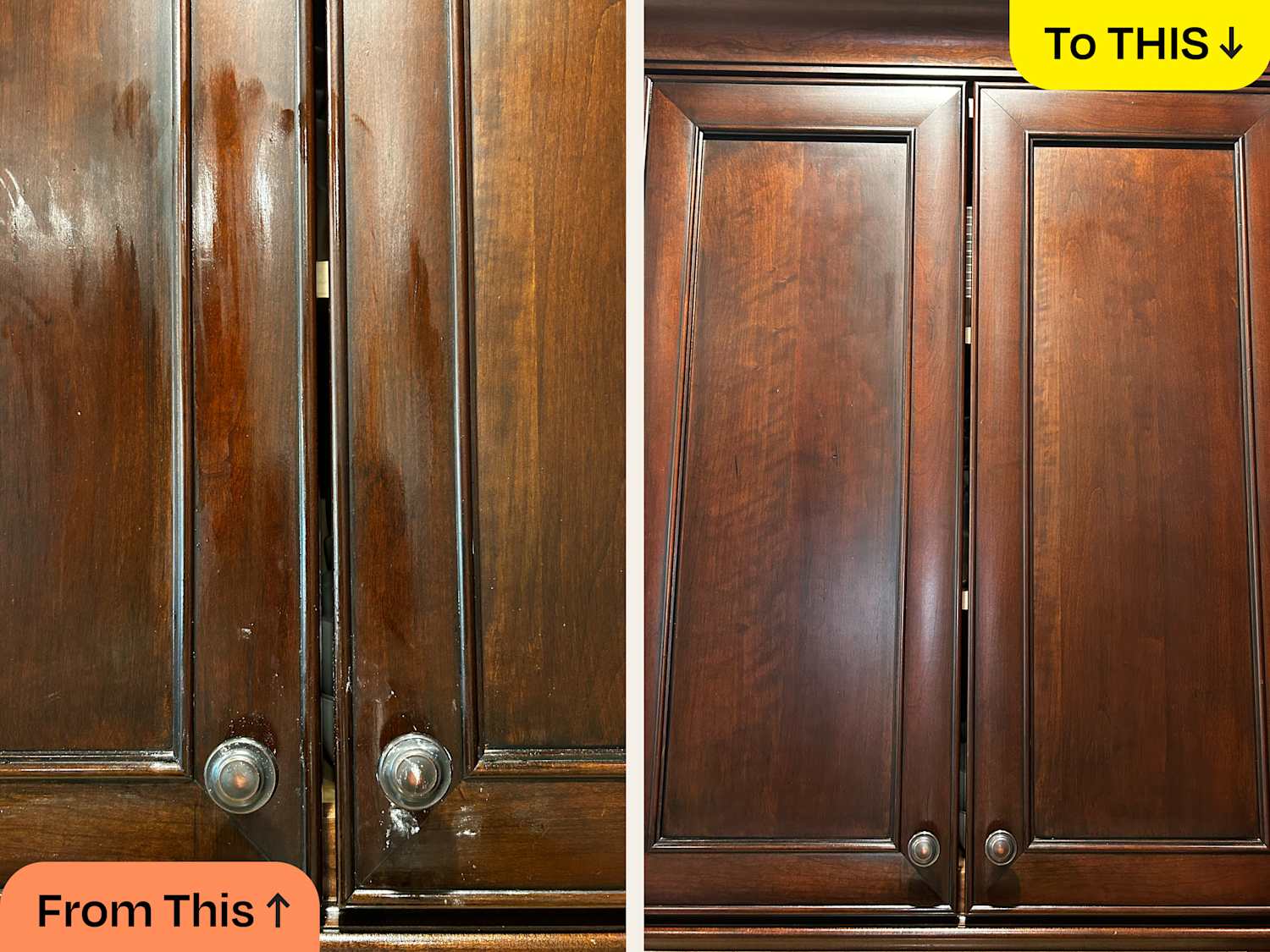
Grease in your kitchen can be stubborn and frustrating. It sticks to your stove, counters, and even your walls, making your space look dirty and hard to clean.
But what if you could get rid of that greasy mess quickly and easily? You’ll discover simple, effective ways to clean kitchen grease using everyday items. By the time you finish reading, you’ll have the confidence and tools to make your kitchen shine like new.
Ready to say goodbye to grease for good? Let’s get started!
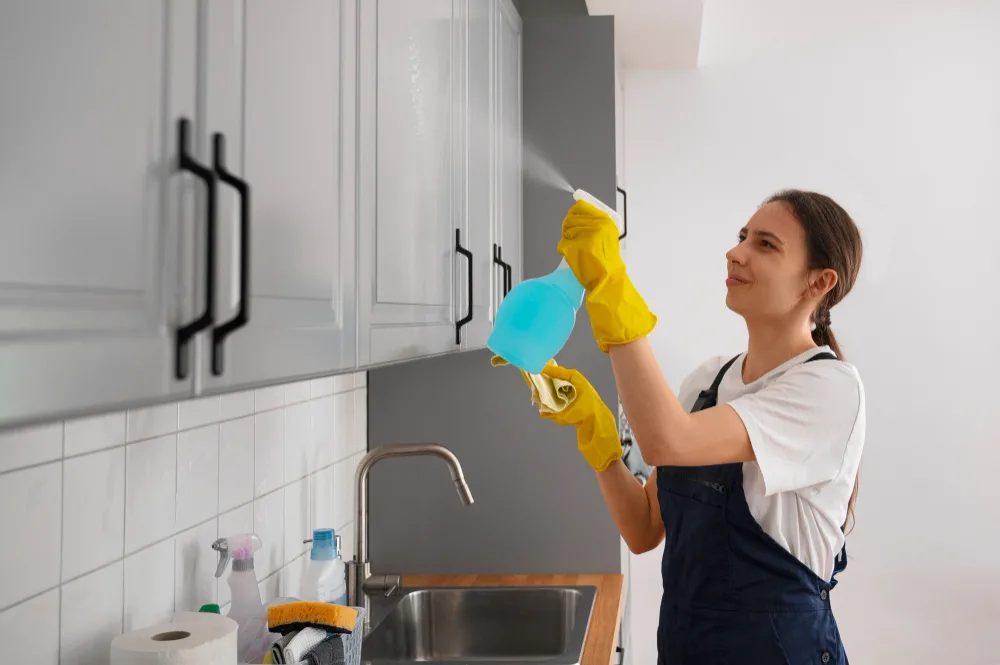
Credit: citymagazine.si
Sources Of Kitchen Grease
Kitchen greasecomes from fats and oils used in cooking. It sticks to surfaces and can cause stains and bad smells. Knowing the common types of grease helps in cleaning effectively.
- Animal fats:Butter, lard, and drippings from meat.
- Vegetable oils:Olive oil, canola oil, and sunflower oil.
- Cooking sprays:Aerosol oils that leave a thin greasy layer.
- Food residue:Grease mixed with leftover food bits.
Grease builds up mostly in these kitchen areas:
- Stovetop and burners– where food cooks and oils splatter.
- Range hood filters– trap grease from steam and smoke.
- Oven walls and racks– get sticky from spills and splashes.
- Countertops– especially near cooking zones.
- Sinks and drains– collect greasy water and scraps.

Credit: homesouq.qa
Essential Cleaning Supplies
Household ingredients like baking sodaand white vinegarhelp break down grease. Mix baking soda with water to form a paste. Apply it on greasy spots and let it sit for a few minutes before scrubbing. White vinegar can be sprayed directly on grease and wiped away easily. Dish soap is a gentle cleaner that cuts through grease effectively. Warm water helps dissolve grease faster.
| Specialized Cleaners | Use |
|---|---|
| Degreaser Sprays | Designed to dissolve heavy kitchen grease fast |
| Oven Cleaner | Works well on baked-on grease in ovens and grills |
| All-Purpose Cleaner | Good for daily grease removal on counters and appliances |
Prepping The Kitchen For Cleaning
Clear all items from countertops and stove tops. Remove dishes, utensils, and small appliances. Wipe away crumbs and loose dirt. Keeping surfaces free helps clean grease better.
Wear gloves to protect your hands from harsh cleaners. Open windows or use fans for fresh air. Avoid mixing cleaning chemicals to prevent harmful fumes.
Removing Grease From Surfaces
Grease buildupmakes kitchen surfaces sticky and dull. Use warm water mixed with mild dish soap to clean countertops and cabinets. Apply the solution with a soft cloth, then wipe dry to avoid water damage. For stubborn grease, a paste of baking soda and water works well. Test in a small spot first to protect finishes.
Appliances and fixturesoften collect grease in hard-to-reach places. Spray a vinegar and water mix or a gentle degreaser, let it sit for a few minutes, then scrub with a soft brush or sponge. Wipe clean with a damp cloth. Avoid abrasive cleaners that can scratch surfaces.
Walls and backsplashesnear the stove get greasy quickly. A mix of warm water and white vinegar cleans these areas effectively. Use a sponge or cloth to gently scrub the grease away. For tile backsplashes, a soft brush can help clean grout lines. Rinse with clean water and dry with a towel.
Cleaning Greasy Cookware
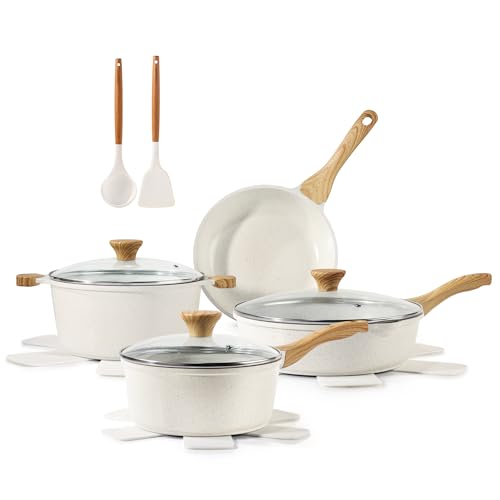
Pots and pans often hold thick layers of grease. Use hot water and dish soap to loosen the grease. Let the cookware soak for 15-20 minutes. Scrub with a soft sponge or brush to avoid scratches. For stubborn grease, sprinkle baking soda and scrub gently. Rinse with warm water and dry with a clean cloth.
Utensils and tools can also get greasy quickly. Wash them with warm, soapy water immediately after use. Use a brush to clean hard-to-reach spots. For metal tools, a mix of vinegar and water helps cut through grease. Dry utensils well to stop rust and keep them shiny.
Preventing Future Grease Build-up
Keeping your kitchen clean helps stop grease build-up. Wipe surfaces daily with a damp cloth and mild soap. Clean stove tops and hoods after cooking greasy meals. Use a degreaser or vinegar for stubborn spots.
Good air flow helps reduce grease in the air. Open windows while cooking to let smoke and steam out. Turn on the kitchen fan or exhaust hood to clear grease particles. This keeps surfaces cleaner for longer.
- Wipe counters and stove daily
- Use mild soap or vinegar for cleaning
- Open windows during and after cooking
- Run exhaust fans or range hoods
- Clean grease filters regularly
Eco-friendly Grease Cleaning Options
Discover eco-friendly ways to clean kitchen grease effectively. Use natural ingredients like baking soda and vinegar. They break down grease without harsh chemicals, keeping your kitchen safe and green.
Natural Cleaners
Vinegar and baking soda are powerful natural cleaners. Mix equal parts of vinegar and water. Spray it on greasy spots. Wait a few minutes. Use a cloth to wipe it off. Baking soda works great for tough stains. Sprinkle it on the stain. Add a little water to make a paste. Scrub gently with a brush. These cleaners are safe and non-toxic.
Reusable Cleaning Tools
Reusable cloths help save money and reduce waste. Microfiber cloths are excellent for cleaning. They pick up grease easily. Wash them after each use. Sponges are also good for scrubbing. Choose ones made from natural materials. These tools last longer and are better for the environment. Keep them clean and dry for the best results.
Credit: www.clean-wipe.com
Frequently Asked Questions
What Is The Best Way To Remove Kitchen Grease?
Use a mixture of hot water, dish soap, and vinegar. Apply it to greasy surfaces, scrub gently, then rinse. This method effectively breaks down grease without harsh chemicals.
How Often Should I Clean Kitchen Grease Buildup?
Clean kitchen grease weekly to prevent buildup. Regular cleaning keeps surfaces shiny and hygienic. It also reduces fire hazards and unpleasant odors in your kitchen.
Can Natural Ingredients Effectively Clean Kitchen Grease?
Yes, natural ingredients like vinegar, baking soda, and lemon are great. They cut through grease safely and are eco-friendly alternatives to chemical cleaners.
What Tools Help Remove Stubborn Kitchen Grease?
Use a scrub brush, microfiber cloth, and sponge. These tools help lift grease without damaging surfaces. Pair them with a good degreaser for best results.
Conclusion
Cleaning kitchen grease does not have to be hard. Use simple tools and gentle cleaners for best results. Regular cleaning keeps your kitchen fresh and safe. Grease buildup can cause bad smells and stains. Act quickly to stop grease from hardening.
A clean kitchen looks nice and works better. Keep these tips in mind for easy grease removal. Your kitchen will thank you with a brighter, cleaner look. Small efforts make a big difference every day.