Are you ready to turn your KitchenAid mixer into a pasta-making machine? Using the KitchenAid pasta attachment is easier than you think, and it can help you create fresh, homemade pasta right in your own kitchen.
Whether you want to impress your family with delicious fettuccine or enjoy classic spaghetti, this guide will walk you through every step. Keep reading, and you’ll discover simple tips and tricks that make pasta-making fun and stress-free. Your next pasta night is about to get a whole lot better!
Choosing The Right Pasta Attachment
Pasta attachmentscome in different types to make various pasta shapes. Some common ones are:
- Spaghettiattachment for thin, round pasta.
- Fettuccineattachment for flat, wide noodles.
- Lasagnaroller for smooth sheets.
- Rigatonicutter for tube-shaped pasta.
Each attachment fits a specific pasta style. Choose based on your favorite dish.
Compatibilitymatters. Most attachments fit KitchenAid stand mixers with a power hub. Check your mixer’s model to ensure it works with the attachment. Older or smaller mixers may not support all pasta tools.
| KitchenAid Mixer Model | Compatible Pasta Attachments |
|---|---|
| Artisan Series | All standard pasta attachments |
| Professional Series | All standard pasta attachments |
| Classic Series | Limited attachments, check model |
Preparing Pasta Dough
To prepare pasta dough, gather flour, eggs, and a pinch of salt. Use all-purpose flour or Italian 00 flour for best results. Break eggs into a bowl and mix with flour slowly. Salt adds flavor but don’t use too much.
Mixing and kneading are key. Stir ingredients gently until dough forms. Knead the dough on a clean surface for about 10 minutes. It should feel smooth and elastic, not sticky or dry.
The perfect dough has a soft yet firm texture. It should not stick to your hands or the table. If it’s too sticky, add a little flour. If it’s too dry, add a few drops of water. Let the dough rest for 30 minutes before using the pasta attachment.
Setting Up The Attachment
First, place the pasta attachment on the mixer’s power hub. Make sure the attachment fits tightly to avoid slipping during use. Secure it by tightening the knob until it feels firm.
Next, plug the attachment’s power cord into the mixer’s outlet. This lets the attachment work smoothly with the mixer motor.
- Turn the thickness dial to set pasta thickness.
- Start with the widest setting for thick pasta.
- Reduce thickness gradually for thinner pasta sheets.
- Adjust based on your recipe needs.
Credit: www.vevor.ca
Rolling And Cutting Pasta
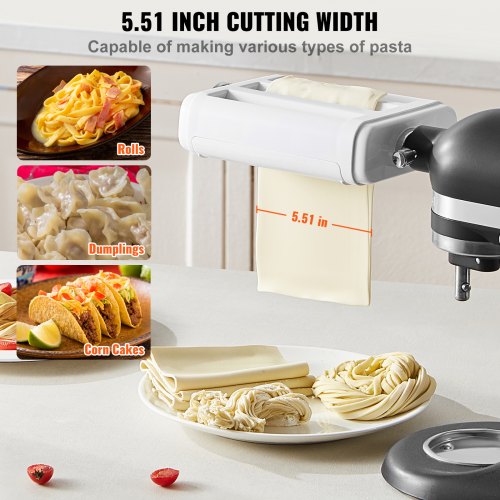
Feed the dough gently into the roller. Use a firm, steady push. Avoid forcing the dough too fast. Let the roller do the work. Adjust the thickness settings to get thin, even pasta sheets. Start with the widest setting, then move to thinner settings step by step.
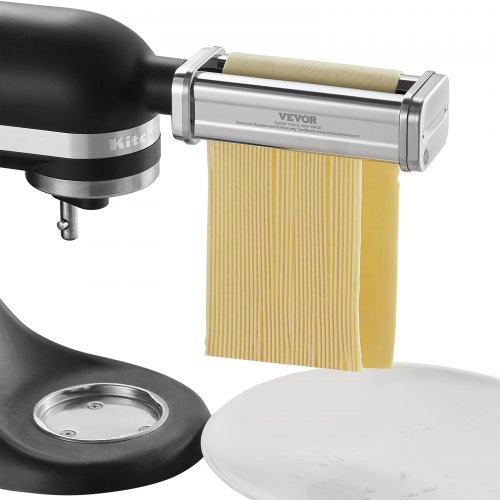
Select the cutting style by attaching the right cutter. The pasta attachment offers different cutters like fettuccine and spaghetti. Choose the cutter based on your recipe or preference. Make sure the cutter fits well before turning on the mixer.
Handle fresh pasta sheets with care. Dust them lightly with flour to stop sticking. Lay the sheets flat or hang them to dry slightly before cooking. Fresh pasta cooks faster than dry pasta. Use fresh sheets quickly for best taste and texture.
Cleaning And Maintenance
Detach the pasta attachment carefully from the mixer. Remove all parts that come off easily. This helps clean all areas well. Use warm water and mild soap to wash each part. Avoid using harsh cleaners or scrubbers that may damage the surface.
Dry all parts completely before putting them away. Moisture can cause rust or mold. Store the attachment in a dry, cool place. Keeping it in a box or cover can protect it from dust and dirt.
| Cleaning Tips | Storage Tips |
|---|---|
| Use mild soap and warm water. | Keep in a dry, cool place. |
| Remove all detachable parts. | Cover to prevent dust. |
| Dry parts fully before storing. | Avoid humid or wet areas. |
Troubleshooting Common Issues
Dough sticking to rollersoften happens if the dough is too wet. Try adding a little flour to the dough. Make sure the rollers are clean and dry before use. Avoid pressing the dough too hard against the rollers to prevent sticking.
Uneven pasta thicknessmay occur if the dough is not rolled evenly. Feed the dough slowly and keep a steady pace. Check that the rollers are set to the same thickness on both sides. If needed, roll the dough multiple times for a smooth result.
Attachment jammingcan happen due to dough buildup or incorrect assembly. Clean the attachment thoroughly after each use. Make sure all parts fit correctly and nothing blocks the rollers. Avoid forcing the handle if it feels stuck; instead, check for dough or debris causing the jam.
Creative Pasta Recipes
Italian pasta is loved by many. Start with simple spaghetti. Add some olive oil and garlic. Toss in cherry tomatoes and basil. Sprinkle with Parmesan cheese. This makes a tasty meal.
Gluten-free pasta is easy to make. Use rice flour or corn flour. Try adding zucchini noodles. Cook them lightly. Mix with pesto sauce for flavor. Top with grilled chicken for protein. Enjoy a healthy dish.
| Pasta Type | Best Sauce |
|---|---|
| Spaghetti | Tomato Basil |
| Fettuccine | Alfredo |
| Penne | Arrabbiata |
| Fusilli | Pesto |
Credit: www.vevor.ca
Credit: www.kitchenaid.ca
Frequently Asked Questions
How Do I Attach The Kitchenaid Pasta Maker?
To attach, lock the pasta roller or cutter onto the KitchenAid mixer hub. Tighten the clamp securely. Ensure the mixer is off during setup.
What Dough Consistency Is Best For Pasta Attachment?
Use firm, smooth dough without stickiness. Avoid overly wet dough to prevent sticking. Proper dough ensures even rolling and cutting.
How To Clean The Kitchenaid Pasta Attachment?
Avoid water. Use a dry brush or cloth to remove dough bits. Let it air dry completely before storing.
Can I Make Different Pasta Types With This Attachment?
Yes, use different rollers and cutters to make spaghetti, fettuccine, and lasagna sheets easily at home.
Conclusion
Using the KitchenAid pasta attachment makes pasta-making simple and fun. Attach it to your mixer, add dough, and start shaping fresh pasta easily. You can create different pasta types by changing the rollers. Clean it after use to keep it ready for next time.
Enjoy homemade pasta with your favorite sauce and share it with family or friends. This tool helps bring a taste of Italy right to your kitchen. Give it a try and enjoy delicious meals made by your own hands. Simple steps lead to tasty results.