Are you curious about how much water your kitchen faucet should deliver? Knowing the maximum flow rate for kitchen faucets can save you money, protect your plumbing, and improve your daily kitchen experience.
Whether you’re upgrading your sink or just want to understand your current setup better, this simple fact can make a big difference. Keep reading to discover what flow rate means, why it matters to you, and how to choose the right faucet that fits your needs perfectly.
Your kitchen—and your wallet—will thank you!

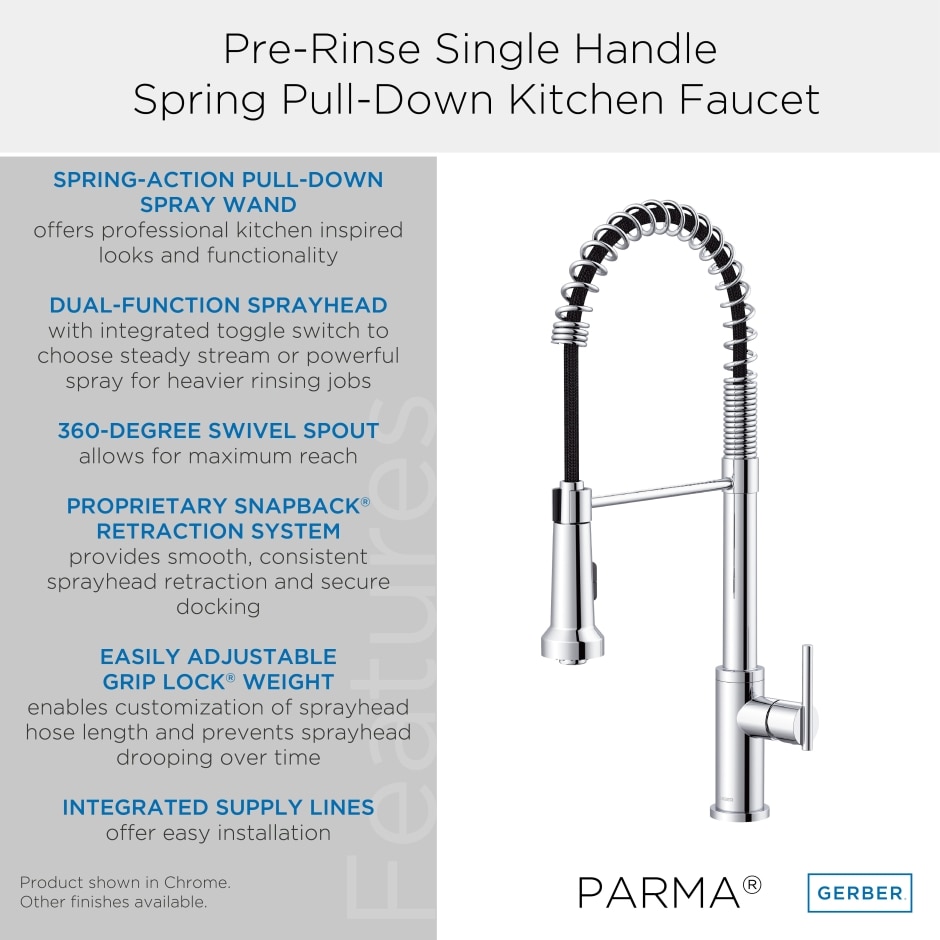
Credit: www.gerber-us.com
Flow Rate Basics
The flow ratemeasures how much water flows from a faucet. It is usually shown in gallons per minute (GPM). Kitchen faucets often have a maximum flow rate of 1.5 to 2.2 GPM. This means the faucet lets out 1.5 to 2.2 gallons of water every minute.
A lower flow rate saves waterand energy. Many places have rules that limit flow rates to 1.8 GPMor less. This helps reduce water waste and keeps bills low.
- Higher flow rate:Faster water flow, good for filling pots quickly.
- Lower flow rate:Saves water but may take longer for some tasks.
Most kitchen faucets balance flow rate for comfortand efficiency. Choose one that fits your needs and follows local rules.

Credit: www.amazon.com
Standard Flow Rates For Faucets
Standard flow ratesfor kitchen faucets usually range between 1.5 to 2.2 gallons per minute (GPM). This helps save water while still providing enough pressure for daily tasks. Some areas follow regulationsthat limit flow rates to 1.8 GPMor less.
Older faucets may have flow rates as high as 3.0 GPM. Newer models focus on water efficiency. Low flow rates reduce water waste and lower utility bills.
| Faucet Type | Typical Flow Rate (GPM) |
|---|---|
| Standard Kitchen Faucet | 1.5 – 2.2 |
| Older Faucets | 2.5 – 3.0 |
| WaterSense Certified Faucets | 1.5 or less |
Factors Affecting Flow Rate
Pipe sizeaffects how much water flows through. Bigger pipes allow more waterto pass easily. Longer pipes can reduce water flow because water loses pressure over distance. Shorter pipesusually mean better flow.
Water pressureis key. Higher pressure pushes water faster out of the faucet. Low pressure means slower flow. Pressure can change depending on your home’s plumbing and water source.
The faucet designalso matters. Some faucets have built-in restrictorsto save water. Others have wider openings that let more water through. The shape of the faucet head can change how water flows too.
Regulations And Standards
Kitchen faucets have specific flow rate limitsset by law. These rules help save water and energy. The maximum flow rateis usually measured in gallons per minute (GPM).
Most kitchen faucets in the United States must not exceed 2.2 GPM. Some newer models are even lower, like 1.8 GPM, to save more water.
These limits come from federal and state regulations. The Environmental Protection Agency (EPA)and other groups set these rules. They make sure faucets use water wisely.
Many faucets also have a WaterSense label. This means the faucet meets strict water-saving rules.
| Authority | Max Flow Rate | Notes |
|---|---|---|
| EPA WaterSense | 1.8 GPM | Must save 20% more water than standard |
| Federal Standard | 2.2 GPM | Maximum allowed for kitchen faucets |
| State Regulations | Varies (1.5 – 2.2 GPM) | Some states have stricter rules |
Choosing The Right Flow Rate
Choosing the right flow ratefor kitchen faucets helps balance water use and performance. A flow rate around 1.5 to 2.2 gallons per minute (GPM)is common. This range provides enough water for washing dishes and cooking without wasting too much water.
A higher flow rate means faster water flow but uses more water. A lower flow rate saves water but may reduce water pressure. The right balance keeps your kitchen efficient and comfortable.
Water conservationbenefits from choosing faucets with flow restrictors. These devices reduce water flow while keeping pressure steady. Saving water also lowers utility bills and helps the environment.
| Flow Rate (GPM) | Benefits | Drawbacks |
|---|---|---|
| 1.5 – 2.2 | Good balance of pressure and water saving | May feel less powerful for some tasks |
| Above 2.2 | Strong water flow, quick filling | Uses more water, less eco-friendly |
| Below 1.5 | Excellent water saving | Low pressure, may slow tasks |

Credit: www.ebay.com
Frequently Asked Questions
What Is The Standard Maximum Flow Rate For Kitchen Faucets?
The standard maximum flow rate for kitchen faucets is typically 2. 2 gallons per minute (GPM) at 60 psi.
Why Does Maximum Flow Rate Matter In Kitchen Faucets?
Maximum flow rate affects water usage and cleaning speed, balancing efficiency with water savings.
Can Lower Flow Rates Save Water Without Losing Performance?
Yes, lower flow rates like 1. 5 GPM save water and still provide good cleaning power.
Conclusion
Choosing the right maximum flow rate helps save water and energy. Most kitchen faucets flow between 1. 5 to 2. 2 gallons per minute. A balanced flow rate gives you good water pressure without wasting water. Remember, lower flow rates reduce bills and help the environment.
Check your faucet’s flow rate before buying or installing. This small step improves your kitchen’s efficiency. Simple choices make a big difference every day.