Have you ever needed to water your garden but didn’t want to carry heavy buckets from your kitchen? Connecting a garden hose to your kitchen sink can make watering plants, washing your car, or filling large containers much easier.
But if you’re not sure how to do it, the task might seem confusing or messy. Don’t worry—this guide will show you simple, step-by-step instructions to get your hose hooked up quickly and securely. Keep reading, and you’ll soon have a hassle-free way to bring water right where you need it.

Credit: www.amazon.com
Tools And Materials Needed
To connect a garden hose to the kitchen sink, gather the right tools and materials. This ensures a smooth setup without leaks or damage.
- Garden hosewith a standard connector
- Sink adapteror faucet connector
- Adjustable wrenchor pliers
- Teflon tapefor sealing threads
- Bucketto catch water during installation
- Clothto protect faucet from scratches
Check the faucet size before buying an adapter. Most kitchen faucets need a special adapter to fit garden hoses. Use Teflon tape on threads to stop leaks. Keep the cloth handy to avoid scratching the faucet while tightening.

Credit: www.amazon.com
Choosing The Right Adapter
Choosing the right adapter ensures a tight and leak-free fit. Check the sink’s faucet type first. Most kitchen faucets have a standard size, but some may need a special adapter.
Adapters come in different materials like plastic, brass, and stainless steel. Brass adapters are strong and last longer. Plastic ones are cheaper but may break easily.
Look for these key features in an adapter:
- Size compatibility:Must match your faucet and hose size.
- Material quality:Durable and resistant to rust or cracks.
- Easy installation:Should fit without tools or extra parts.
- Leak prevention:Includes rubber washers or seals.
Adapters with quick-connect fittings help attach and remove the hose fast. Choose one that suits your sink and garden hose for best results.
Preparing The Kitchen Sink Faucet
Turn off the water under the sink first. This stops leaks while working.
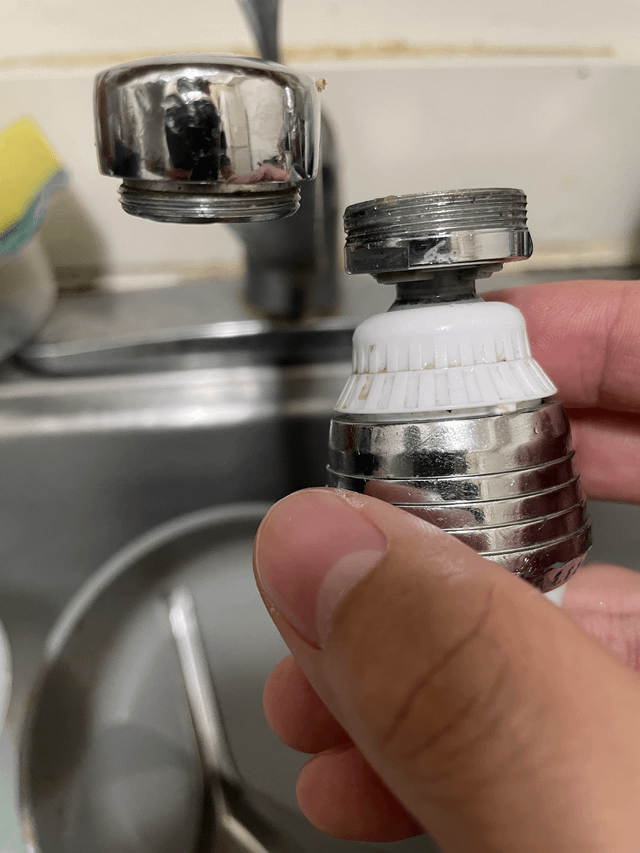
Remove the aerator from the faucet tip. This part twists off easily.
Check the faucet threads. Some faucets have male or female threads.
Choose the right adapter for your faucet type. It helps the hose fit well.
Clean the faucet threads gently. Dirt can stop the adapter from fitting tight.
Keep a towel nearby. It helps catch water drops during the process.
Attaching The Garden Hose
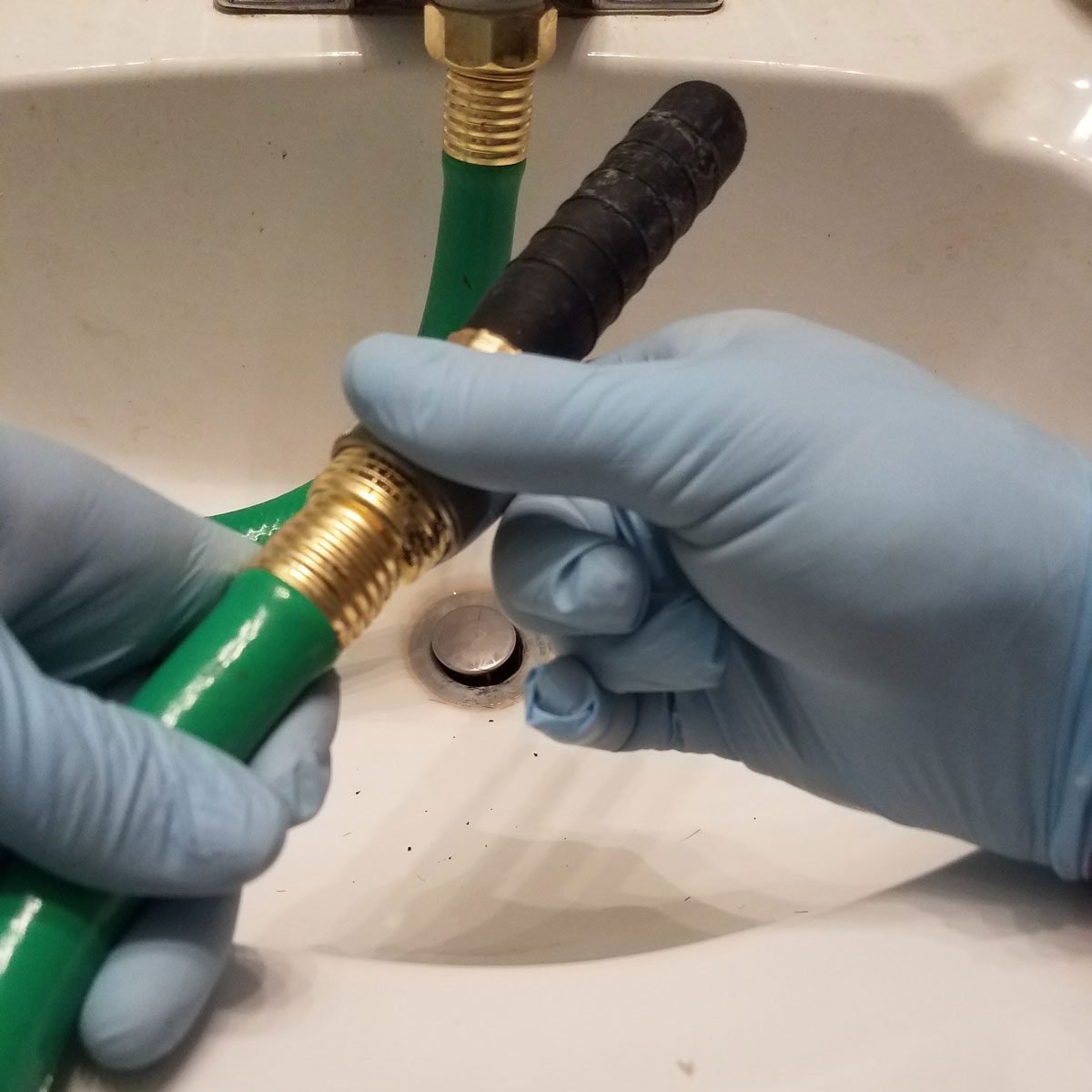
Attaching a garden hose to the kitchen sink needs a few tools and parts. A hose adapteris essential. This adapter fits the sink’s faucet and the garden hose end. Most kitchen faucets don’t fit garden hoses directly. The adapter changes the faucet’s shape to match the hose.
Start by removing the aeratorfrom the faucet tip. The aerator is the small mesh screen. Use pliers if it is tight. Screw the hose adapter onto the faucet threads. Make sure it fits snugly to avoid leaks.
- Check the adapter size to match faucet threads
- Use plumber’s tape on threads for a tighter seal
- Attach the garden hose to the adapter
- Tighten the hose connection with your hand or pliers
Turn on the water slowly to check for leaks. Tighten connections if water drips. This setup works best with a standard faucetthat has external threads.
Testing And Troubleshooting
Start by turning on the water slowly. Check if the hose connection is tight. Look for leaks around the sink and hose joint. A small drip can waste water and cause damage.
If water flow is weak, clean the faucet aerator. Dirt or debris can block water. Also, check if the hose is kinked or bent. Straighten it to allow smooth water flow.
Use a wrench to tighten any loose fittings. Avoid overtightening; it may cause damage. If leaks persist, try using plumber’s tape on threads for a better seal.
| Problem | Cause | Solution |
|---|---|---|
| Water leaks | Loose connection or damaged washer | Tighten fittings, replace washer if needed |
| Low water flow | Clogged aerator or kinked hose | Clean aerator, straighten hose |
| No water | Closed valve or blocked hose | Open valve, check hose for blockages |
Credit: www.familyhandyman.com
Frequently Asked Questions
How Do I Connect A Garden Hose To A Kitchen Sink?
Use a faucet adapter that fits your sink’s faucet. Screw it on tightly, then attach the garden hose.
Can I Use A Kitchen Sink For Outdoor Watering?
Yes, a kitchen sink can supply water outdoors with the right adapter and hose connection.
What Tools Do I Need To Attach A Hose To A Sink?
You need a faucet adapter, a garden hose, and possibly a wrench for a tight fit.
Conclusion
Connecting a garden hose to your kitchen sink saves time and effort. It lets you water plants or clean easily inside and outside your home. Follow simple steps for a tight, leak-free fit. Use the right adapter and check for leaks before use.
This small fix adds great convenience to your daily tasks. Give it a try and enjoy the benefits today. A few minutes of work can make a big difference.