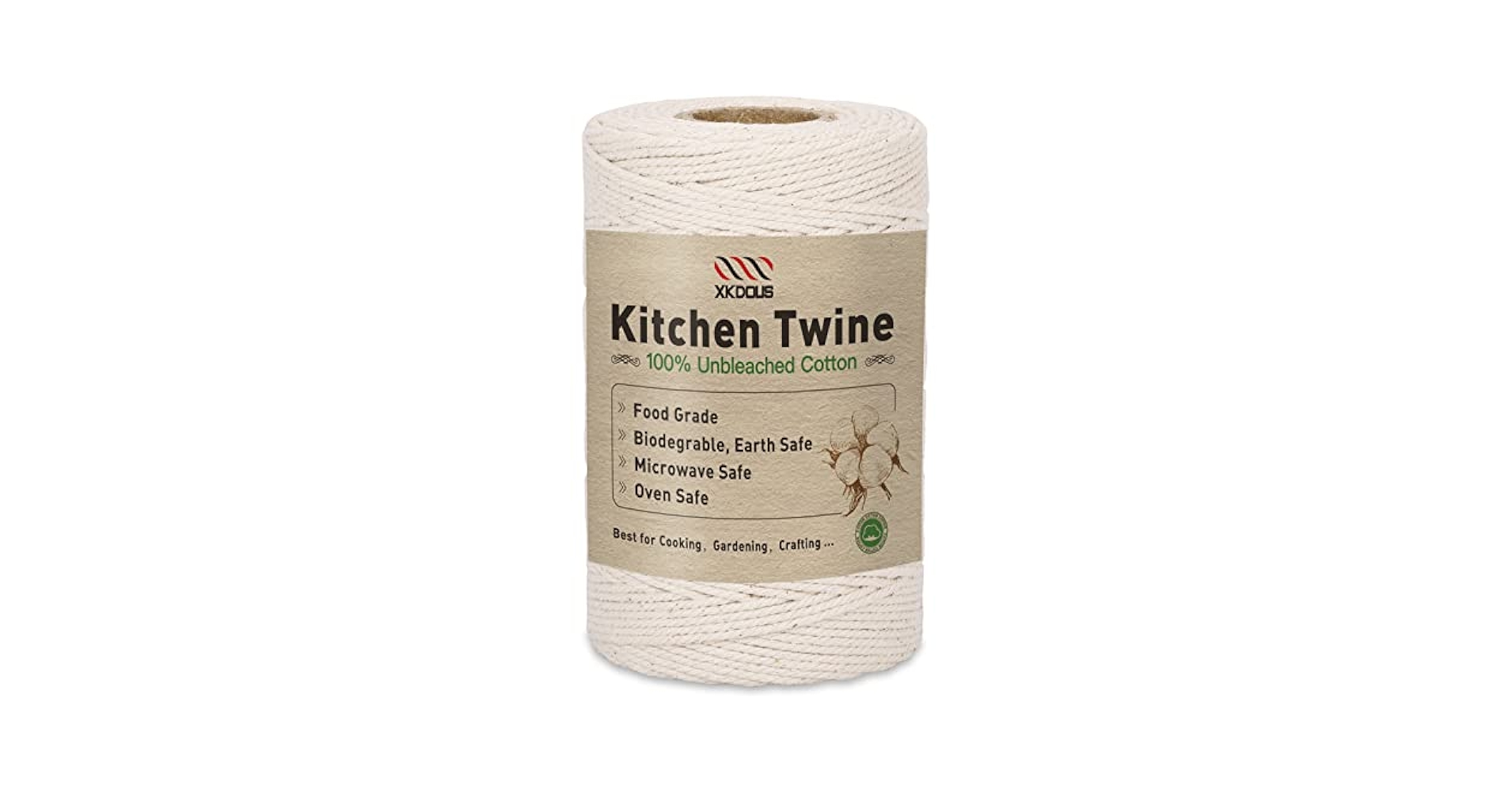
Have you ever wondered what that simple string in your kitchen drawer is really for? Kitchen twine might look plain, but it’s a secret weapon that can make your cooking easier and your meals tastier.
Whether you’re roasting a chicken, tying up herbs, or keeping stuffed foods neatly wrapped, kitchen twine helps you cook like a pro. Keep reading to discover how this small tool can transform your cooking and why you’ll want to have it on hand every time you step into the kitchen.
Purpose Of Kitchen Twine
Kitchen twineholds food items tightly during cooking. It helps keep shapes intact, like roasts or stuffed meats. Twine also ensures even cooking by holding food together.
It is useful for:
- Tying herbs and spices for easy removal
- Securing rolled meats or poultry
- Holding stuffed vegetables or fish
- Trussing poultry to keep legs and wings close
Using twine improves presentation and helps food cook evenly. It is made from safe, heat-resistant cotton or linen.
Common Materials Used
Kitchen twine is made from different materials. The choice depends on strength and safety.
- Cotton:The most common material. It is strong and heat resistant.
- Linen:A natural fiber. It is sturdy and safe for cooking.
- Hemp:Eco-friendly and strong. It can handle heavy foods.
- Jute:A rough fiber. Good for tying but may leave fibers behind.
All these materials are safe to use in ovens or pots. Avoid synthetic twine as it can melt.
How To Use Kitchen Twine
Kitchen twinehelps keep food shapes neat while cooking. It holds meat, poultry, and vegetables tightly. Tying food with twine keeps stuffing inside and cooks evenly.
Choose a clean, food-safe twine made of cotton or linen. Avoid synthetic twine as it can melt or catch fire.
- Cut a length long enough to wrap around your food.
- Wrap twine snugly but not too tight to avoid cutting into food.
- Tie a secure knot or bow to hold the shape during cooking.
- Remove the twine after cooking before serving.
Use twine for trussing poultry, tying roasts, or bundling herbs. It helps keep flavors and juices locked in. Twine is easy to use and makes cooking cleaner and neater.

Credit: www.amazon.com
Tips For Choosing Quality Twine
Choose twine made from natural fiberslike cotton or linen. These are safe for food use and easy to tie. Avoid synthetic twine as it may melt or release toxins when heated.
Check the thicknessof the twine. It should be strong enough to hold meat or vegetables but not too thick to damage food.
Look for twine that is heat-resistantand can handle oven temperatures. This ensures it won’t burn or break during cooking.
Buy twine that is unbleachedand free from dyes or chemicals. This keeps your food safe and natural tasting.
- Strong and durable
- Food-safe and natural
- Heat-resistant
- Unbleached and chemical-free
Alternatives To Kitchen Twine
Kitchen twine helps hold food together while cooking. If it is not available, there are other options.
- Butcher’s twine:Similar to kitchen twine and safe for cooking.
- Silicone bands:Heat-resistant and reusable for tying food.
- Metal skewers:Good for holding meat or vegetables in place.
- Vegetable strips:Use strips of onion, leek, or celery to tie food naturally.
- Aluminum foil:Can be twisted and shaped to hold food tightly.
Avoid using string or thread that is not food-safe. It might melt or release harmful chemicals.
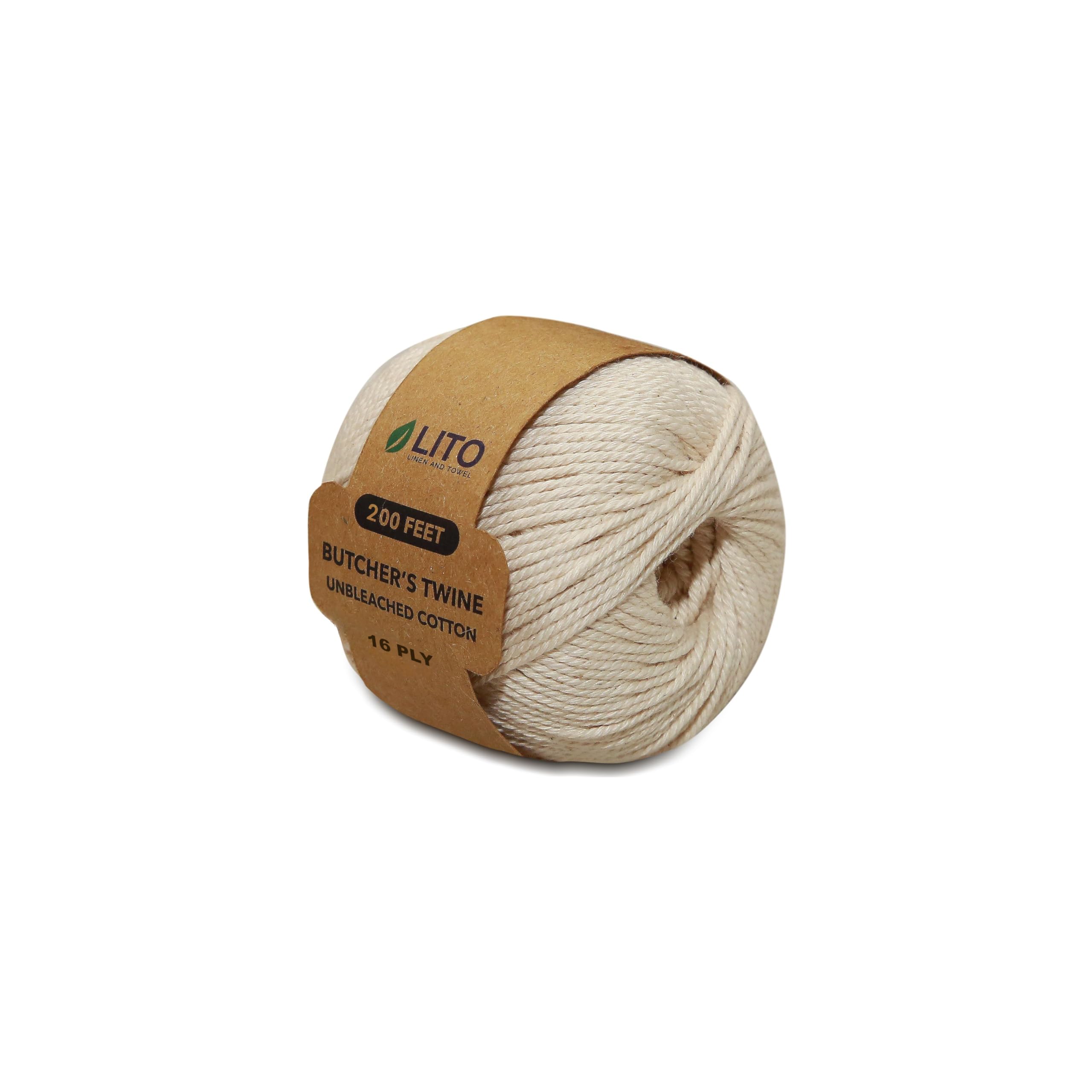
Credit: www.amazon.com

Credit: www.amazon.com
Frequently Asked Questions
What Is Kitchen Twine Used For In Cooking?
Kitchen twine ties food items together for even cooking and better shape.
Is Kitchen Twine Safe For Food Use?
Yes, kitchen twine is made from food-safe materials like cotton.
Can Kitchen Twine Be Reused After Cooking?
No, kitchen twine should be discarded after one use for hygiene.
Conclusion
Kitchen twine is a simple tool that helps in cooking tasks. It keeps food secure and cooks evenly. Using it is easy and safe for the kitchen. Anyone can tie meat, vegetables, or herbs neatly with twine. It saves time and makes food look better.
Keep some kitchen twine handy for your cooking needs. It’s a small item that makes a big difference in the kitchen. Try it next time you cook and see the benefits yourself.