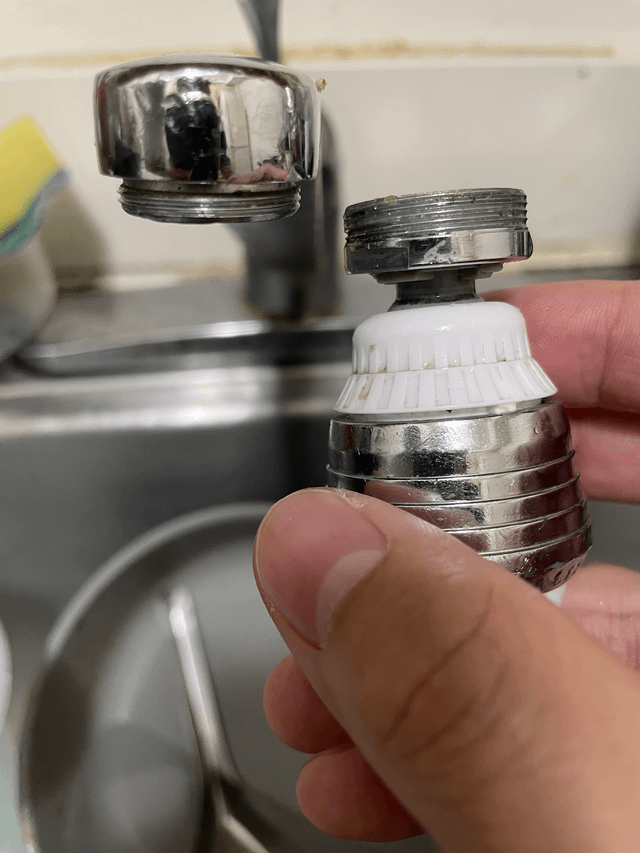
Are you tired of struggling with messy water connections under your kitchen sink? Connecting a water hose might seem tricky, but it doesn’t have to be.
With the right steps, you can easily set it up yourself and save time and money. In this guide, you’ll discover simple tips and clear instructions that make the whole process smooth and stress-free. Keep reading, and you’ll be surprised at how quickly you can get your water hose connected like a pro.
Tools And Materials Needed
Gathering the right tools and materialsis key to connecting a water hose to your kitchen sink. You will need a wrenchto tighten fittings securely. A screwdrivermay be required to remove or adjust parts. Use plumber’s tapeto seal connections and prevent leaks.
The water hose should have a compatible connectorfor the sink faucet or valve. Sometimes, an adapteris necessary to fit different sizes. A bucketor towel helps catch water during installation.
- Wrench (adjustable or fixed)
- Screwdriver (flat or Phillips)
- Plumber’s tape (Teflon tape)
- Water hose with proper connector
- Adapter (if needed)
- Bucket or towel

Credit: www.amazon.com
Locate The Water Supply Valve
First, find the water supply valveunder the kitchen sink. It is usually a small, round or oval knob. Sometimes it looks like a lever.
Turn the valve clockwiseto close it. This stops water flow to the sink. If no valve is visible, check the wall behind the sink or under the cabinet.
Make sure the valve is fully closed before attaching the hose. This prevents water leaks or spills.
If the valve is hard to turn, use a cloth for grip. Avoid using too much force to prevent damage.
Turn Off The Water Supply
Locate the main water valve under the kitchen sink. Turn the valve clockwise to shut off the water supply. This prevents water from flowing while connecting the hose.
Check if the water has stopped by turning on the faucet. No water should come out. If water still flows, turn the valve tighter or find the main shut-off valve for the house.
Turning off the water supply helps avoid leaks and water damage. Always double-check before starting work on the sink plumbing.

Credit: www.amazon.com
Prepare The Hose And Sink Connection
Start by wiping the sink faucet with a clean cloth. This removes dirt and debris that might block the connection. Make sure the faucet is dry before moving forward.
Next, check the hose connector for any damage or dirt. A clean connector ensures a tight fit and prevents leaks. If the connector has a rubber washer, confirm it is in good condition.
Attach the hose connector to the faucet by twisting it gently but firmly. Avoid using too much force, as this can cause damage. Hand-tighten the connector until it feels secure.
Check the connection by gently pulling on the hose. It should not come loose or wiggle excessively.
Connect The Hose To The Faucet
First, attach the water hose to the faucet’s threaded end. Make sure the hose fits snugly over the faucet. Use a wrench to tighten the connection gently, avoiding too much force to prevent damage.
Secure the connection by placing a hose clamp around the joint. Tighten the clamp with a screwdriver until it feels firm but not overly tight. This stops water from leaking out.
Turn on the water slowly and watch the connection point closely. Look for any drips or water escaping. If there is a leak, tighten the clamp a bit more or check the hose placement. Fix leaks quickly to avoid water waste.
Turn On The Water And Test
Turn on the water supply slowly to avoid sudden pressure. Watch the hose connection carefully. Look for any drips or leaksaround the connection points.
Check under the sink and around the hose end. A small drip means the connection might be loose. Tighten the connector slightly with a wrench or by hand. Avoid over-tightening to prevent damage.
After adjusting, wait a few minutes and check again. Confirm there are no leaks before using the sink. A secure connection keeps water flowing properly and avoids damage.
Tips For Maintenance And Safety
Check the hose and sink connection for leaks regularly. Tighten any loose fittings to prevent water damage. Use a washersor rubber gaskets to create a tight seal. Avoid overtightening; it can damage the hose or sink.
Turn off the water supply before connecting or disconnecting the hose. This stops sudden water bursts and keeps you safe. Keep the hose away from sharp edges or hot surfaces to avoid damage. Store the hose in a cool, dry place when not in use to extend its life.
- Inspect hose for cracks or wear every few months.
- Replace damaged hoses immediately to prevent leaks.
- Use hose clamps for secure connections.
- Keep the area around the sink dry and clean.

Credit: www.sinkple.com
Frequently Asked Questions
How Do I Connect A Water Hose To A Kitchen Sink?
To connect a water hose, first turn off the water supply. Attach a hose adapter to the sink faucet. Secure the hose to the adapter tightly to prevent leaks. Turn the water back on and check for any drips or leaks.
What Tools Are Needed To Attach A Hose To Sink?
You typically need a wrench, a hose adapter, and plumber’s tape. The wrench helps tighten connections securely. Plumber’s tape ensures a leak-proof seal between fittings. Make sure your hose adapter matches the faucet size for a proper fit.
Can I Connect Any Water Hose To My Kitchen Sink?
Not all hoses fit every kitchen sink faucet. Check the faucet’s threading and size before buying a hose. Use a compatible hose adapter for your faucet type. This ensures a secure, leak-free connection and proper water flow.
How Do I Prevent Leaks When Connecting A Water Hose?
Use plumber’s tape on all threaded connections. Tighten fittings with a wrench but avoid over-tightening. Check connections after turning on water. Replace any worn washers or damaged parts to maintain a leak-free setup.
Conclusion
Connecting a water hose to your kitchen sink is easy. With the right tools and steps, anyone can do it. First, gather your supplies. Make sure the adapter fits your faucet. Attach the hose securely. Turn on the water gently.
Check for leaks. If all is well, you’re ready to go. This simple task saves time and effort. Water your garden or wash your car without hassle. Enjoy the convenience this solution offers. Remember to remove the hose after use.
This keeps your kitchen tidy and efficient. Happy gardening or cleaning!