Is your kitchen faucet spraying water unevenly or dripping constantly? The problem might be a worn-out aerator.
Replacing the aerator is a simple fix that can save you money and stop annoying leaks. In this guide, you’ll learn exactly how to replace the aerator on your kitchen faucet—step by step, with no confusing jargon. Keep reading, and you’ll have your faucet working like new in no time.
Tools And Materials Needed
A wrench, a new aerator, and a cloth are needed for the replacement. Having these ready makes the process quick and easy.
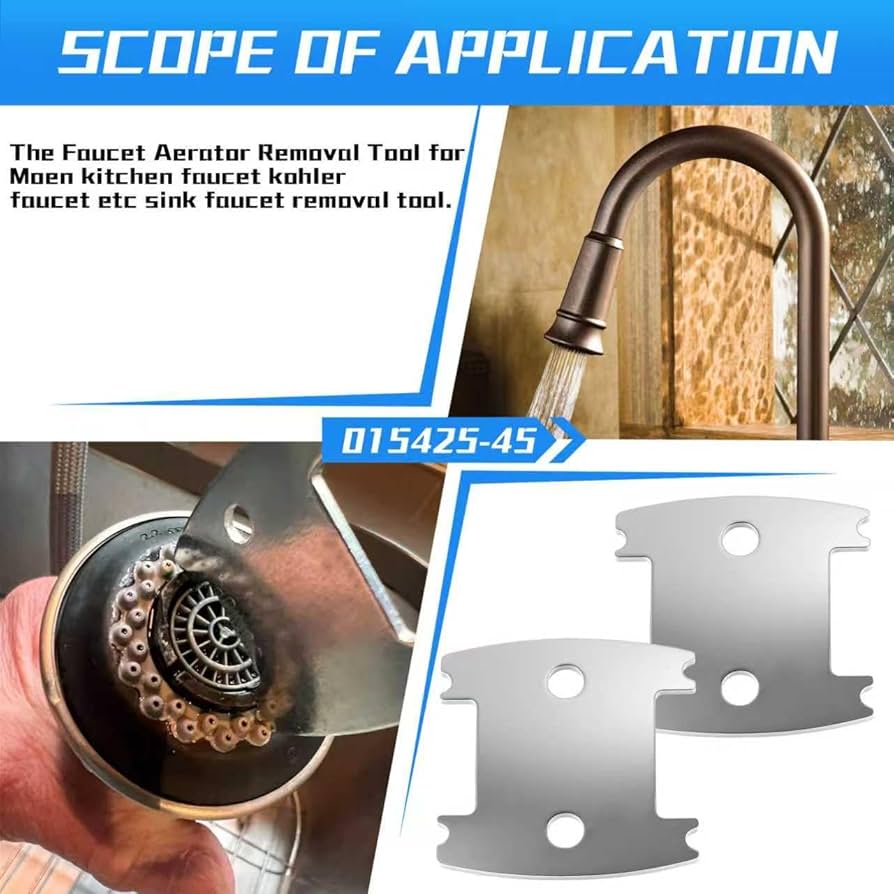
- Adjustable wrenchto loosen and tighten the aerator.
- Plierswith soft jaws to avoid scratching the faucet.
- Replacement aeratormatching faucet size and thread type.
- Cloth or tapeto protect the faucet finish.
- Bucket or towelto catch water drips.
- Small brushor old toothbrush to clean the aerator area.
- Glovesfor hand protection if needed.
Locate The Aerator
The aeratoris a small device at the end of your kitchen faucet. It controls the water flow and saves water. To find it, look at the faucet’s spout tip. It usually looks like a small round piece with tiny holes.
Some aerators can be seen easily. Others may be hidden under a decorative cap. If you cannot spot it, use your fingers to feel around the faucet tip. The aerator will be the part you can unscrew.
- Check if the aerator has a visible edge or slot.
- Use a cloth or rubber grip to avoid scratches when unscrewing.
- Turn it counterclockwise to remove the aerator.
Knowing where the aerator is helps in easy replacement. It is usually at the very end of the faucet spout.
Remove The Old Aerator
Unscrew the old aerator from the faucet tip by turning it counterclockwise. Use pliers if it is tight, but protect the finish with a cloth. Remove any debris before installing the new aerator.
Using Hands
First, try turning the aerator counterclockwise with your hands. Grip it firmly. If it feels stuck, don’t force it. Avoid scratching the faucet. Wet your fingers for better grip. This can help loosen it.Using Pliers Safely
Wrap a cloth around the aerator. This protects the finish. Use a pair of pliers gently. Turn counterclockwise. Apply even pressure. Avoid squeezing too hard. Check if the aerator loosens. If stuck, try again carefully. Once it’s loose, remove it by hand. `Clean The Faucet Tip
The faucet tip can collect dirt and minerals over time. This can cause water flow to slow or spray unevenly. Cleaning the tip helps keep water flow smooth and strong.
First, twist the aerator counterclockwise to remove it. Use a cloth if it is tight. After removal, check for debris or buildup inside.
Soak the aerator in white vinegar for 15-30 minutes. Vinegar helps dissolve mineral deposits. After soaking, use an old toothbrush to scrub gently. This removes any leftover dirt.
Rinse the aerator with clean water before putting it back. Make sure the rubber washer is in good shape. Replace the washer if it looks worn out.
- Remove aerator carefully
- Soak in vinegar to dissolve minerals
- Scrub gently with toothbrush
- Rinse well with water
- Check and replace washer if needed
Choose The Right Replacement Aerator
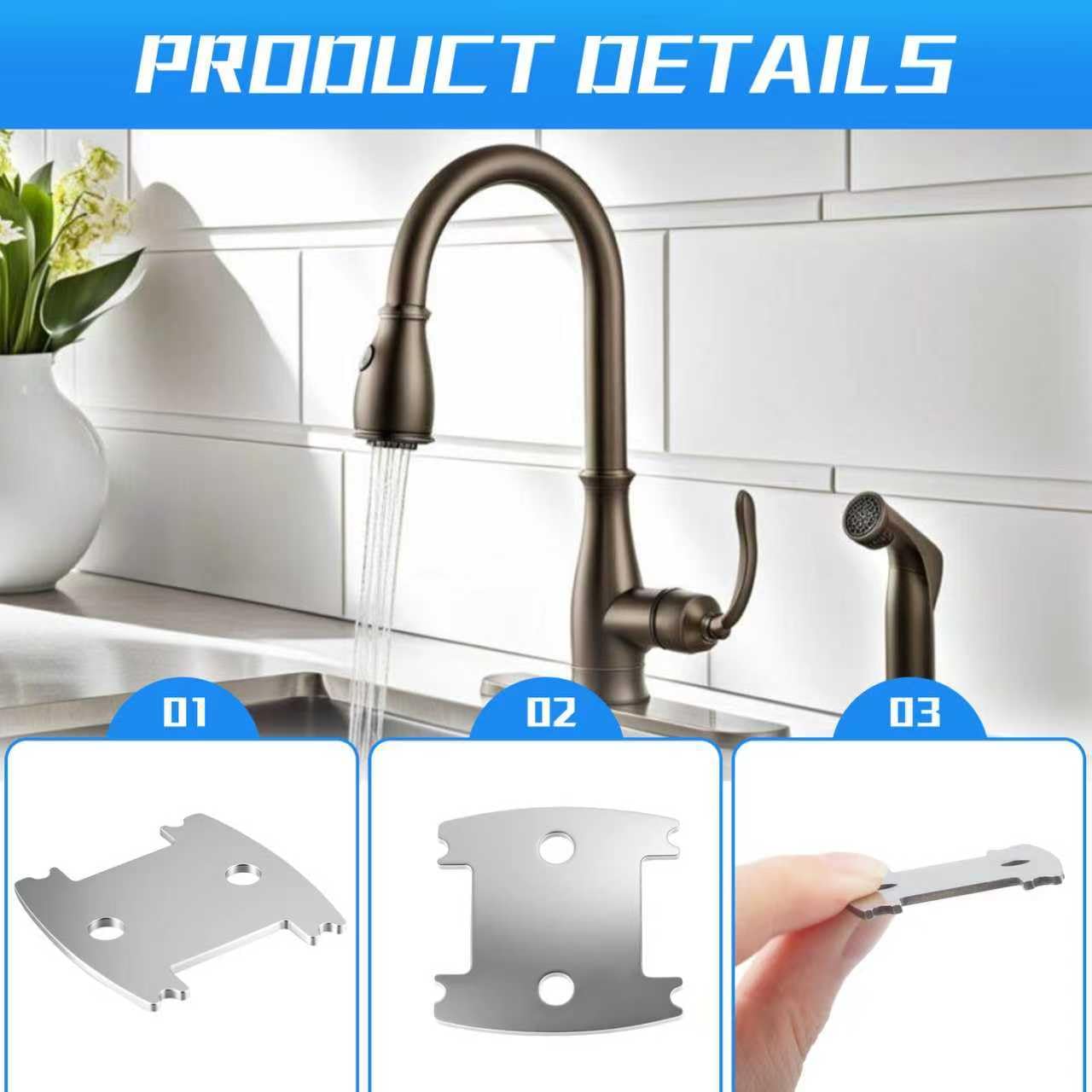
Choosing the right replacement aeratoris key for your kitchen faucet. The thread sizemust match the faucet’s connection exactly. Common thread sizes include 15/16″-27 for standard faucets and 55/64″-27 for newer models. Using the wrong size can cause leaks or poor fit.
Flow rate affects water pressure and usage. Aerators come in different flow rates, like 1.5 or 2.2 gallons per minute (GPM). Pick a flow rate that balances water savingand good water pressure. Low flow rates save water but may reduce faucet power.
| Thread Size | Common Use | Flow Rate (GPM) |
|---|---|---|
| 15/16″-27 | Standard Faucets | 1.5 to 2.2 |
| 55/64″-27 | Newer Faucets | 1.5 to 2.2 |
Credit: www.amazon.ca
Install The New Aerator
Place the new aerator onto the faucet’s spout carefully. Turn it clockwise using your fingers only. Tighten the aerator until it feels snug and secure.
Avoid over-tightening.It can damage the threads or the aerator itself. Over-tightened aerators may cause leaks or make future removal difficult.
- Hand tighten only, no tools needed.
- Check the aerator is straight on the spout.
- If it leaks, tighten slightly more by hand.
- Stop tightening as soon as resistance is felt.
Test For Leaks And Proper Flow
Turn the water on slowly after replacing the aerator. Watch for any drips or leaksaround the connection. A small leak can mean the aerator is not tightened properly or the washer is misplaced.
Check the water flow carefully. The stream should be steady and smooth. If the flow is weak or uneven, clean the aerator screen again. Sometimes debris blocks water flow.
- Ensure the aerator is aligned correctlybefore tightening.
- Use a cloth or rubber grip to avoid scratching the faucet.
- Tighten the aerator just enough to stop leaks but do not over-tighten.
Make sure water flows straight without splashing. This means the aerator works well. If leaks or flow problems stay, check the aerator parts again or try a new one.

Credit: www.reddit.com
Maintenance Tips For Aerators
Regularly clean your kitchen faucet aerator to keep water flow smooth. Mineral buildup can block water and reduce pressure. Unscrew the aerator gently and soak it in vinegar for about 30 minutes. Use a small brush to remove dirt and debris. Rinse thoroughly before reattaching. Check the aerator for cracks or damage during cleaning. Replace it if you find any signs of wear. Tighten the aerator by hand to avoid stripping the threads. Avoid using pliers directly on the aerator as it may cause damage. Keep a spare aerator at home for quick replacement. This simple maintenance keeps your faucet working well and saves water.

Credit: www.reddit.com
Frequently Asked Questions
How Do I Remove A Kitchen Faucet Aerator?
To remove a kitchen faucet aerator, twist it counterclockwise by hand or use pliers with a cloth. Be gentle to avoid damage. If stuck, apply vinegar to loosen mineral deposits before removing.
What Tools Are Needed To Replace A Faucet Aerator?
You only need adjustable pliers or a wrench and a cloth to protect the aerator. Sometimes no tools are required if it’s hand-tightened. Vinegar helps loosen mineral buildup if needed.
How Often Should I Replace My Kitchen Faucet Aerator?
Replace your kitchen faucet aerator every 6 to 12 months. Frequent replacement ensures clean water flow and prevents clogs from mineral deposits and debris buildup.
Can A Clogged Aerator Cause Low Water Pressure?
Yes, a clogged aerator restricts water flow, causing low water pressure. Cleaning or replacing the aerator restores proper water pressure quickly and efficiently.
Conclusion
Replacing a kitchen faucet aerator is quick and simple. You only need a few tools and a bit of care. Clean the parts well before installing the new aerator. Doing this helps water flow better and saves water too. Check for leaks after replacement to ensure a tight fit.
This small fix can improve your faucet’s performance a lot. Try it yourself and enjoy smoother water flow every day.