Is your kitchen sink draining slowly or not at all? A clogged drain pipe can turn simple tasks like washing dishes into a frustrating mess.
But don’t worry—you don’t have to call a plumber right away. You can fix it yourself with a few easy steps. You’ll discover simple, effective ways to unclog your kitchen drain pipe fast. By the end, you’ll have your sink flowing smoothly again, saving you time, money, and stress.
Let’s get started!

Credit: www.youtube.com
Common Causes Of Kitchen Drain Clogs
Grease sticks to pipes and hardens over time. It blocks water flow. Food bits can get stuck with grease. This forms a clog. Avoid pouring grease down the sink. Scrape plates before washing.
Small items can fall into the drain. They block the pipe quickly. Toys or utensils may cause clogs. Keep sink area clear. Use a strainer to catch objects.
Soap scum builds up with water minerals. It forms a thick layer inside pipes. Water flow slows down. Clean sink regularly to prevent soap scum. Use hot water to dissolve scum.

Credit: www.drano.com
Tools And Materials Needed
Basic household toolsneeded include a plunger, pipe wrench, bucket, and gloves. These help loosen and remove blockages safely. A flashlight helps see inside pipes clearly.
Natural cleaning ingredientssuch as baking soda, vinegar, and hot water can clear minor clogs. Mix baking soda and vinegar, pour down the drain, then flush with hot water. These are safe for pipes and the environment.
| Chemical Drain Cleaners | Use | Precautions |
|---|---|---|
| Caustic Cleaners | Break grease and hair clogs | Wear gloves, avoid skin contact |
| Oxidizing Cleaners | Clear organic matter | Use in well-ventilated area |
| Enzyme Cleaners | Safe for pipes, digest waste | Take longer to work |
Simple Diy Methods To Clear A Clog
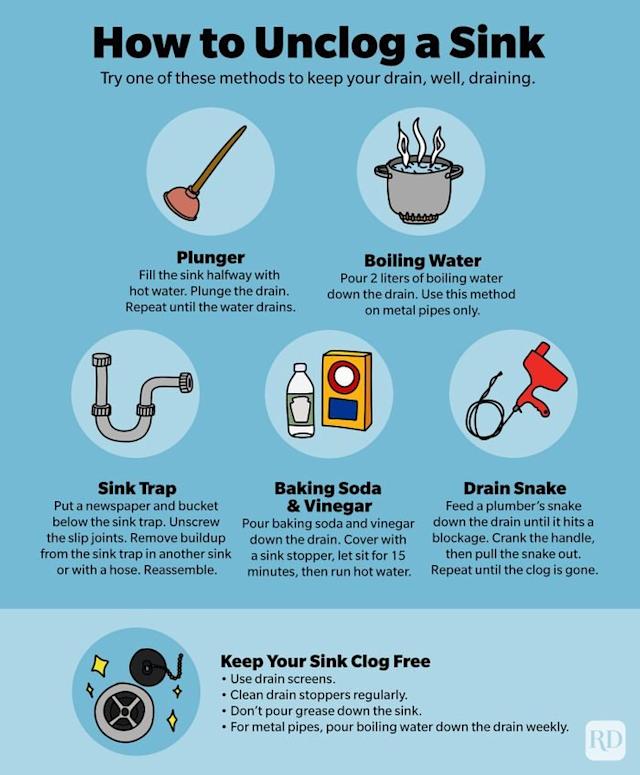
Pouring boiling waterdown the drain can help clear simple clogs. It melts grease and loosens debris. Repeat this process a few times for better results.
Mix baking sodaand vinegarto create a fizzy reaction. Pour half a cup of baking soda into the drain, then add half a cup of vinegar. Let it sit for 15 minutes. Flush with hot water to clear the clog.
A plungercreates suction to dislodge blockages. Cover the drain with the plunger and push down firmly. Pull up quickly to break up the clog. Repeat as needed until water drains smoothly.

Credit: www.youtube.com
Using A Drain Snake Or Auger
Choosing the right drain snakedepends on the clog type and pipe size. A manual hand augerworks well for small clogs and narrow pipes. For tougher blockages or wider pipes, an electric drain snakeis better. Length matters too; longer snakes reach deep clogs. Flexible cables fit curved pipes better. Some snakes have special tips for grabbing debris.
Follow this guide for using a drain snake safely and effectively:
- Wear gloves to protect your hands.
- Remove the drain cover or stopper.
- Insert the snake slowly into the drain.
- Turn the handle clockwise to push forward.
- When you feel resistance, rotate to break the clog.
- Pull out the snake carefully, removing debris.
- Run hot water to clear any loose bits.
Cleaning The P-trap
The P-trapis a U-shaped pipe under the sink. It holds water to stop sewer gases from coming up. To find it, look below the kitchen sink. The pipe connects the sink drain to the wall pipe.
Before removing the P-trap, place a bucket underneath. This catches water and debris that may spill out. Use a wrench or your hands to loosen the slip nuts. Turn them counterclockwise carefully.
Once removed, check inside the P-trap for clogs. Clean it with a brush or cloth. Remove any hair, grease, or food stuck inside. Rinse the pipe with water to clear debris.
After cleaning, reattach the P-trap. Tighten the slip nuts by hand or wrench. Run water to check for leaks and smooth flow.
Preventing Future Clogs
Always throw food scraps in the trash, not the sink. Grease and oil should never go down the drain. They stick to pipes and cause blockages. Use cold water when washing dishes to keep grease solid. Avoid flushing coffee grounds, eggshells, or fibrous vegetables like celery. These items can clog your pipes quickly.
Regularly pour a mixture of hot water and baking soda down the drain. This helps clear small buildup. Check drains for slow water flow as a sign of clogging. Clean drains once a month with natural cleaners to keep pipes clear.
Strainers catch food and debris before they enter pipes. Install them in all kitchen drains. Clean strainers daily to prevent buildup. Use sink guards to block larger items and hair. These simple tools save you from tough clogs.
When To Call A Professional
Severe blockagescause slow draining or standing water in the sink. Foul smells or gurgling sounds come from drains. Water may back up into other drains. These signs show the clog is deep and tough to clear.
Calling a professional plumber offers many benefits. Experts have the right tools to remove stubborn clogs quickly. They can inspect pipes for damage or leaks. This helps avoid future plumbing problems. Professionals also save time and reduce the risk of pipe damage from DIY attempts.
Frequently Asked Questions
How Do I Safely Unclog A Kitchen Drain Pipe?
To safely unclog a kitchen drain, use a plunger or a drain snake first. Avoid harsh chemicals that can damage pipes. Boiling water can help dissolve grease clogs. Always wear gloves and ensure proper ventilation during the process.
What Household Items Can Unclog Kitchen Drains?
Baking soda and vinegar work well together to unclog drains naturally. Pour half a cup of baking soda, then half a cup of vinegar. Let it sit for 15 minutes, then flush with hot water. This method is eco-friendly and effective for minor clogs.
How Often Should I Clean My Kitchen Drain Pipe?
Clean your kitchen drain pipe every 1-2 months to prevent buildup. Regular maintenance stops grease and food waste from causing blockages. Use natural cleaners or boiling water for routine cleaning to keep pipes clear and smelling fresh.
When Should I Call A Professional Plumber?
Call a plumber if the clog persists after home remedies or worsens. Also, seek help if multiple drains are blocked or if you notice leaks. Professional tools can safely clear tough clogs and prevent pipe damage.
Conclusion
Unclogging a kitchen drain pipe is easier than it seems. You can try simple tools like a plunger or a drain snake. Natural solutions like baking soda and vinegar also help. Regular cleaning prevents future clogs. Take care of your sink to avoid big problems later.
Stay patient and follow steps carefully. Your kitchen will work smoothly again in no time. Simple actions save time and money. Keep your drain clear and enjoy a clean kitchen daily.