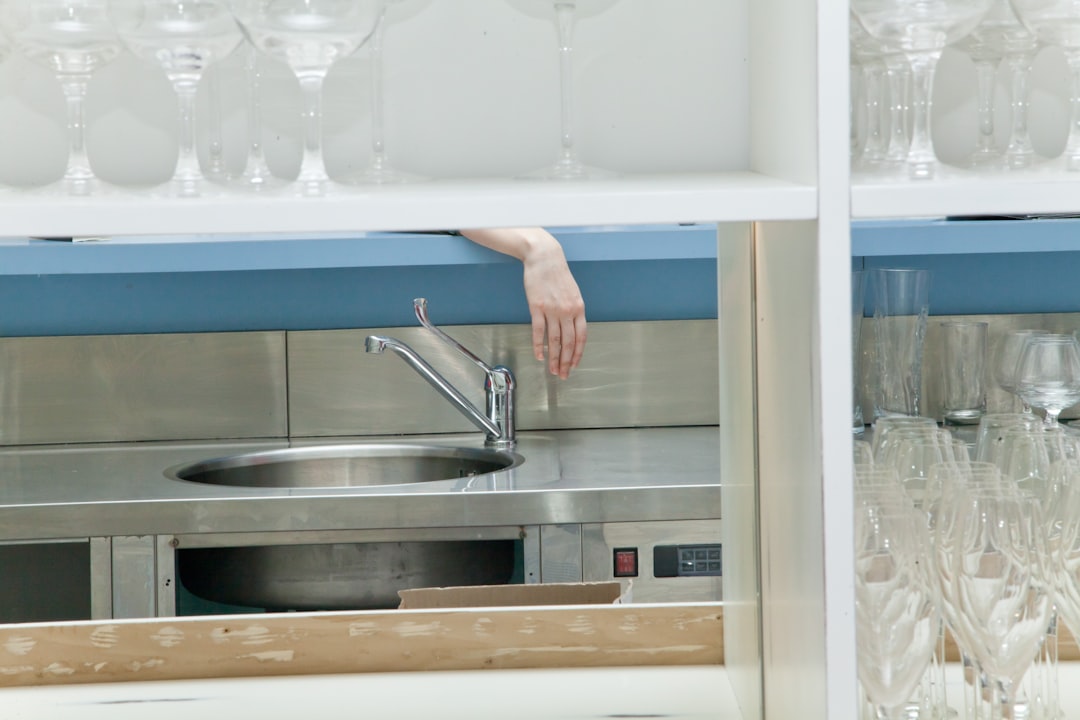
You’ve been there: standing over your kitchen sink, frustrated as water stubbornly refuses to drain. It’s a common problem, but fortunately, it’s one you can solve without calling in the pros.
Imagine the satisfaction of watching that water swirl away, knowing you fixed it yourself. In this guide, you’ll discover simple and effective methods to unclog your kitchen sink, using items you likely already have at home. Whether it’s grease buildup or food remnants causing the blockage, you’ll find practical solutions here.
Ready to say goodbye to that pesky clog and hello to a smoothly running kitchen? Let’s dive in!
Identifying The Cause
Kitchen sinks can clog for many reasons. Food scraps are common culprits. Grease is another problem. It hardens and blocks pipes. Soap residue can also build up. Foreign objects might accidentally fall in. Mineral deposits are found in hard water areas. These can restrict water flow.
Listen for gurgling noises. Slow draining water is a clue. Water backing up is a clear sign. Check for unpleasant smells. A blocked sink can smell bad. Use a flashlight to look inside the drain.
Understanding these causes helps fix the problem. Once identified, solutions are easier. Keep sinks clean to prevent clogs. Regular maintenance helps too. Be mindful of what goes down the drain.
Simple Home Remedies
Pour half a cup of baking sodadown the drain. Add half a cup of vinegarnext. A fizzing sound means it’s working. Wait for 15 minutes. Rinse with hot water to clear the clog.
Boil a pot of water. Carefully pour it down the sink. The hot water helps clear grease and dirt. Repeat if needed to make sure the sink is clear.
Mix half a cup of saltwith half a cup of baking soda. Pour the mixture into the drain. Let it sit for a few hours. Flush it with hot water to help the sink drain better.
Place a plungerover the sink drain. Push and pull the plunger quickly. This helps to loosen and remove the clog. Repeat if the first try doesn’t clear the blockage.
Using A Plunger
First, fill the sink with enough water. It should cover the plunger cup. Place the plunger over the drain. Make sure the seal is tight. Push down and pull up quickly. Repeat this several times. Watch for the water to drain. If it starts to drain, keep plunging.
Sometimes, the blockage is stubborn. Try using more force. Be careful not to splash water everywhere. If the water drains, the sink is unclogged. If not, other methods may be needed. A plunger is a great first tool. It is simple and effective. Many clogs clear with just a plunger.
Chemical Cleaners
Using chemical cleaners can help unclog kitchen sinks. These cleaners are available in many stores. They work by dissolving the blockage in the pipes.
Alwaysread the label before use. Some chemicals can be harmful. Ensure the kitchen is well-ventilated. This means opening windows or using a fan.
- Pour the cleaner into the sink.
- Wait for the time stated on the bottle.
- Rinse with hot water.
Do not mix different chemicals together. This can be dangerous. Only use one cleaner at a time.
If the sink remains clogged, try other methods. Chemical cleaners may not work for every blockage. Consider calling a plumber if needed.
Removing The P-trap
To unclog a kitchen sink, removing the P-trap is often needed. The P-trap is that curved pipe under your sink. It holds water and stops sewer gas. A clogged P-trap can cause slow draining. First, place a bucket under the P-trap. This catches any water or debris. Then, use a wrench to loosen the nuts on each end. Carefully remove the P-trap. Check inside for trapped food or grease. Clean it with warm water and a brush. Make sure it’s clear of any blockages. Reattach the P-trap tightly. Test the sink by running water. Check for any leaks. Tighten if necessary. This simple step can often solve your problem.
Preventive Measures
Keep your kitchen sink clean to avoid clogs. Use a sink strainer to catch food bits. Empty the strainer often to keep water flowing. Avoid pouring grease down the drain. It can harden and block pipes. Instead, collect it in a container and throw it away.
Run hot water after each use to clear small debris. Add baking soda and vinegar weekly for a fresh smell. This mix can help keep pipes clear. Use a plunger gently if water drains slowly. It can push light clogs away.
Teach everyone in your home these tips. Simple habits prevent big problems. Keep the sink area tidy and clean. This helps a lot in keeping your sink clog-free.
Frequently Asked Questions
What Causes Kitchen Sinks To Clog?
Kitchen sinks often clog due to food particles, grease, or soap scum buildup. Over time, these substances accumulate in the pipes, restricting water flow. Regular cleaning and mindful disposal of waste can help prevent this issue.
How Can I Naturally Unclog My Sink?
To naturally unclog your sink, use a mixture of baking soda and vinegar. Pour half a cup of each down the drain, wait 15 minutes, then flush with hot water. This combination helps dissolve mild clogs effectively.
Can Boiling Water Unclog My Sink?
Yes, boiling water can help unclog a sink. It is especially effective for grease or soap clogs. Slowly pour boiling water down the drain to break down the buildup and improve water flow.
Is Using A Plunger Effective For Kitchen Sinks?
Using a plunger is effective for unclogging kitchen sinks. Ensure there’s enough water to cover the plunger’s base, then plunge vigorously to dislodge the clog. This method is quick and often solves minor blockages.
Conclusion
Unclogging a kitchen sink can seem daunting. But it’s manageable. Start with simple solutions like boiling water. If that doesn’t work, try a plunger or baking soda. Chemical cleaners are a last resort. Always take safety precautions when using them.
Regular maintenance helps prevent clogs. Clean your drains monthly. Dispose of grease properly to avoid build-up. With these tips, you can keep your sink flowing freely. A clear sink means a happy kitchen. Enjoy stress-free cooking and cleaning. Remember, a little upkeep goes a long way.
Your sink will thank you!