Is your kitchen sink refusing to drain, leaving you with a frustrating pool of water and a looming sense of dread? You’re not alone.
A clogged kitchen sink can disrupt your daily routine and make even the simplest tasks feel overwhelming. But don’t worry—there’s a solution within your reach. Imagine the satisfaction of watching that stubborn water finally swirl down the drain, restoring order to your kitchen once again.
In this guide, you’ll discover simple and effective ways to unclog your kitchen sink, using tools and techniques you might already have at home. Let’s dive in and get your sink back to working smoothly, so you can focus on what truly matters—enjoying your time in the kitchen.
Common Causes
Many things can block a kitchen sink. Food scraps are a big reason. People often wash dishes without removing food. These small bits clog pipes over time.
Grease from cooking can also create problems. When hot, grease flows easily. But it hardens as it cools. This forms thick layers inside the pipes.
Soap scum is another culprit. It builds up slowly and catches other debris. This makes the clog worse.
Sometimes, small objects fall into the sink. These can be bottle caps or jewelry. They block water and create a mess.
Vegetable peels are tricky. They might seem harmless. But they can wrap around the pipe bends.
- Food scraps
- Grease buildup
- Soap scum
- Small objects
- Vegetable peels

Credit: sierracoolslv.com
Essential Tools
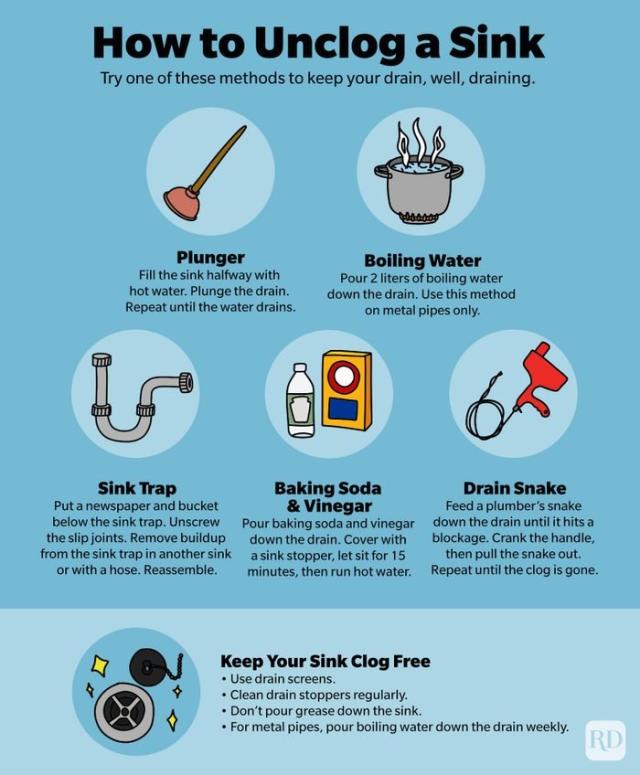
To unclog a kitchen sink, gather a few basic tools. You will need a plunger, a drain snake, and a bucket. These tools are simple and easy to use. A plunger helps push the clog away. A drain snake reaches deep into pipes. A bucket catches water spills.
Rubber gloveskeep your hands clean. They are important for safety. A wrenchmight be useful too. It helps open pipe connections. These tools make the job easier and cleaner.
Natural Solutions
Baking soda and vinegar can effectively unclog a kitchen sink. Pour baking soda down the drain, followed by vinegar. Wait a few minutes, then flush with hot water to clear the blockage naturally.
Baking Soda And Vinegar
Start by pouring hot water down the sink. Add half a cup of baking soda. Let it sit for a few minutes. Pour a cup of vinegarnext. Cover the drain and wait for 10 minutes. Flush with hot water again. This helps clear minor clogs.
Salt And Hot Water
Pour half a cup of saltinto the drain. Add boiling water slowly. Let it sit for some minutes. The salt helps break down grease and food. Rinse with more hot water. This method is simple and effective.
Using A Plunger
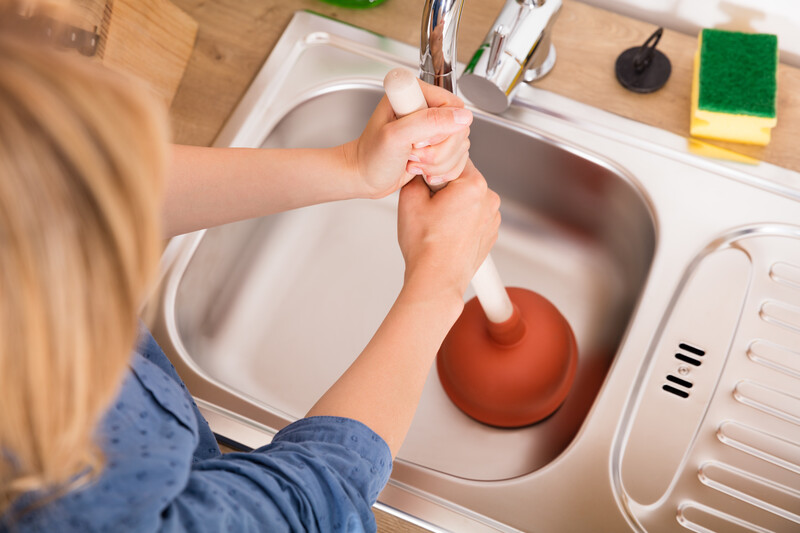
Fill the sink with warm water. Cover the drain completely with the plunger cup. Push down firmly and then pull up quickly. Repeat this motion several times. Listen for a gurgling sound. This means the clog is moving. Be patient and keep trying.
If water drains slowly, try again. Sometimes clogs are stubborn. Let the water settle first. Refill the sink with warm water. Use the plunger again with strong pushes. It’s okay to take breaks. Don’t give up too quickly.
Clearing The P-trap
Clearing the P-Trap can effectively unclog a kitchen sink. Disconnect the curved pipe under the sink to remove debris. Ensure you have a bucket ready to catch any water that spills out.
Removing The P-trap
Place a bucket under the sink. This catches any water spills. Turn the nuts on the trap. Use your hands or a wrench. Carefully remove the trap. Watch for debris and water. Keep all removed parts safe.
Cleaning The P-trap
Check inside the trap for clogs. Use a brush to clean it. Scrub thoroughly. Rinse with warm water. Ensure all debris is gone. This helps water flow smoothly.
Reinstalling The P-trap
Place the trap back under the sink. Align it properly. Tighten the nuts securely. Use a wrench if needed. Make sure it’s snug. Check for leaks after installation.
Credit: www.aol.com
Using A Drain Snake
A drain snake clears kitchen sink clogs effectively. Insert it into the drain, twist, and pull out debris. This tool tackles stubborn blockages without chemicals, making it environmentally friendly and easy to use.
Inserting The Snake
The drain snake is a long, flexible tool. Carefully insert the snake into the sink drain. Twist and push gently, moving it deeper. The snake will bend through pipes. Stop if you feel resistance. This might be the clog.Removing The Clog
Slowly pull the snake back out of the drain. Check for debris on the snake. If you see anything, it might be the clog. Clean the snake and try again if needed. Run water to see if the sink drains. Repeat until water flows freely. `Chemical Drain Cleaners
Chemical drain cleaners can quickly clear a clogged kitchen sink. These powerful solutions dissolve stubborn blockages caused by food and grease. Always use them with caution and follow the instructions carefully for safety.
Choosing The Right Cleaner
Picking the right cleaner is key. Look for a non-toxic option. Some cleaners are stronger but can harm pipes. Read the labels carefully. Check if it’s safe for your sink type. Avoid mixing different cleaners. This can be dangerous. A cleaner with enzymes works slowly but gently. It eats away the clog over time. Always have a backup plan if it doesn’t work.
Safety Precautions
Using chemicals needs care. Always wear gloves and goggles. Protect your skin and eyes. Keep the area ventilated. Open windows or use a fan. Do not inhale the fumes. Keep pets and kids away when using cleaners. Never use a plunger after pouring chemicals. It can splash and burn. If in doubt, call a professional for help.
Credit: www.homeserve.com
Preventing Future Clogs
Regular maintenancekeeps your sink healthy. Pour hot water weekly. It helps dissolve grease. Use a mixture of baking soda and vinegar monthly. This keeps pipes clear. Inspect the sink drain cover often. Remove trapped debris. It prevents blockages. Clean the garbage disposal with ice cubes. It sharpens blades and removes odors.
Dispose of kitchen wasteproperly. Avoid pouring oil or grease down the drain. It hardens and causes clogs. Use a separate container for grease. Throw it in the trash. Do not put large food scraps in the sink. Compost them instead. Use a mesh strainer in the sink. It catches small particles.
When To Call A Professional
Sometimes, fixing the sink yourself won’t work. The clog might be too deep. Pipes can be tricky and need expert hands. Water might start leaking or pipes might break. This can cause bigger problems. It’s better to call an expert then.
If you notice bad smells coming from the sink, it’s a sign. Unusual noises when water drains also mean trouble. A professional can solve these issues easily. They use special tools and know what to do. Safety is important, and experts are trained for this job.
Ignoring these signs can lead to expensive repairs. It’s best to act fast. Get help when things get tough. Your sink will be fixed properly and quickly.
Frequently Asked Questions
What Causes Kitchen Sink Clogs?
Kitchen sink clogs are often caused by food scraps, grease, and soap residue. Over time, these substances accumulate and block the drain. Regular cleaning and mindful disposal of waste can help prevent clogs. Using a sink strainer can also effectively catch debris and reduce the risk of blockages.
Can Boiling Water Unclog A Sink?
Boiling water can help dissolve grease and soap residue in the drain. Pour slowly to avoid damaging pipes. If the clog persists, consider using a plunger or drain snake for stubborn blockages. Regular maintenance is essential to keep the kitchen sink flowing smoothly.
How Do You Use A Plunger Effectively?
To use a plunger effectively, first seal the overflow hole with a wet cloth. Ensure there’s enough water in the sink to cover the plunger cup. Position the plunger over the drain and pump vigorously. This creates suction to dislodge the clog, restoring proper drainage.
Are Chemical Drain Cleaners Safe?
Chemical drain cleaners can be effective but may damage pipes if used excessively. They can also be harmful to the environment. Opt for eco-friendly alternatives and use chemicals sparingly. For persistent clogs, mechanical methods like a drain snake or professional assistance are recommended.
Conclusion
A clogged kitchen sink can be stressful. Luckily, solutions are simple. First, try using baking soda and vinegar. This natural remedy often works. If not, a plunger may help. Push and pull to break the clog. Still stuck? Consider a plumbing snake.
It reaches deeper blockages. Regular cleaning prevents future problems. So, keep the sink free of grease and food scraps. Remember, patience is key. Solutions take time. Follow these steps and enjoy a clear sink. Your kitchen will thank you. Happy unclogging!