Is your kitchen sink refusing to cooperate, leaving you with a frustrating pool of water that just won’t go away? You’re not alone.
Dealing with a clogged sink is a common but annoying problem that can disrupt your daily routine. Imagine trying to prepare a meal or clean up after dinner, only to be halted by a stubborn blockage. But here’s the good news: you don’t need to be a plumbing expert to tackle this issue.
With a few simple techniques, you can get your sink back to its free-flowing glory. Ready to discover how to unclog your kitchen sink and reclaim your kitchen space? Let’s dive in and explore easy, effective solutions that you can try today. Your sink—and sanity—will thank you!
Credit: www.aol.com
Common Causes Of Clogged Sinks
Food scraps, grease, and soap residue often block kitchen sinks. Hair and small objects can contribute too. Regular cleaning helps prevent clogs.
Food Residue Buildup
Small bits of food can block the drain. Rice, pasta, and vegetables are common culprits. They expand when wet. Over time, the buildup grows. It creates a stubborn clog. Regular cleaning can help prevent this issue.
Grease And Oil Accumulation
Grease and oil harden over time. They stick to the pipe walls. This makes it hard for water to flow. As more grease gathers, the clog worsens. Avoid pouring grease down the sink. Use a container to dispose of it instead.
Foreign Objects
Sometimes, objects fall into the sink. Small toys, utensils, or plastic items can cause problems. They block the water path. Removing them can be tricky. Preventive measures work best. Use a sink strainer to catch items before they enter the drain.
Essential Tools And Materials
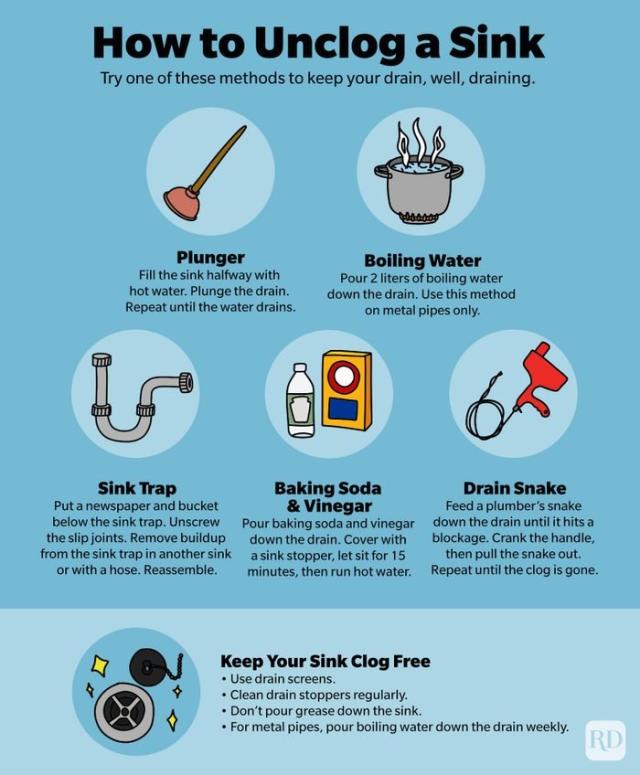
A plungeris a simple tool. It helps clear clogs. Fill the sink with water. Cover the drain with the plunger. Push up and down quickly. This creates suction. It can loosen the clog.
A drain snakeis long and flexible. It reaches deep into pipes. Push the snake into the drain. Twist it to catch the blockage. Pull it out slowly. This method helps with stubborn clogs.
Mix baking sodaand vinegar. Pour baking soda into the drain. Add vinegar next. It will fizz and bubble. Wait a few minutes. Rinse with hot water. This can break down clogs naturally.
A wrenchhelps loosen pipe joints. Place a bucketunder the sink. Use the wrench to open the pipes. Let the water flow into the bucket. Remove any debris blocking the pipe.
Safety Precautions
Wearing protective gear is important to stay safe. Rubber gloves keep your hands clean. Safety goggles protect your eyes from splashes. Old clothes are good for messy jobs. Closed shoes keep your feet safe. Gear helps prevent accidents.
Proper ventilation keeps the air fresh. Open windows before starting. Fans can help move air around. Ventilation stops bad smells from staying. Fresh air makes work easier and safer. Always make sure the room is well aired.

Credit: www.popularmechanics.com
Using A Plunger
A plunger can effectively unclog a kitchen sink. Ensure the sink is partially filled with water. Position the plunger over the drain, and create a tight seal. Push and pull the plunger vigorously to dislodge the clog. Repeat until water drains smoothly.
Proper Plunging Technique
Place the plunger over the sink drain. Ensure it covers the hole completely. Use firm, steady pushes to create suction. Water should cover the plunger. This helps form a tight seal. Push down and pull up quickly. Repeat several times. Check if water drains. If not, try again.
When To Use A Plunger
A plunger works for minor clogs. Use it when water drains slowly. Also useful when food bits clog the drain. Avoid using a plunger for tough clogs. If water stands still, a plunger might help. Try it before using other methods.
Applying Baking Soda And Vinegar
First, gather baking sodaand vinegar. Use a small cup for measuring. Take half a cup of baking soda. Pour it down the sink drain. Next, measure a cup of vinegar. Slowly pour vinegar over the baking soda. Watch the fizzing action. It’s fun and safe!
Let the mixture sit for 15 minutes. This helps break the clog. You might hear some bubbling sounds. That’s normal. Boil some water while waiting. After 15 minutes, pour hot water down the drain. This clears the mixture and loosens the clog. If needed, repeat the process. Always ensure safety with hot water.
Using A Drain Snake
A drain snake can effectively unclog a kitchen sink. Insert it into the drain and twist gently. As the snake moves, it will break up the debris causing the blockage, allowing water to flow freely.
Inserting The Snake
Push the drain snake gently into the sink hole. Turn the handle slowly to guide it further. If it gets stuck, try to wiggle it. Feel the snake moving through the pipes. Keep turning until you reach the blockage. Be patient; this might take a few tries.
Removing The Blockage
Once you reach the blockage, turn the handle firmly. This helps grab the debris. Pull the snake back slowly. Check if the debris comes out with the snake. Clean the snake after use. Repeat if the sink is still clogged.
Cleaning The P-trap
Cleaning the P-Trap is essential for unclogging a kitchen sink. Remove the trap below the sink, empty debris, and clean thoroughly. This simple step can restore smooth drainage quickly.
Detaching The P-trap
First, place a bucket under the sink. This will catch any water. Turn the nuts on the P-trap. Use your hands or a wrench if tight. Slowly pull the P-trap away from the pipes. Be careful not to spill water. Keep all parts safe. You will need them later.Removing Debris
Check inside the P-trap. Look for debris or gunk. Use a cloth or old toothbrush. Clean the inside gently. Remove all dirt and grime. Rinse the P-trap with warm water. Ensure it is free of blockages. This allows water to flow smoothly. Put the P-trap back in place. Tighten the nuts firmly. Test the sink for leaks. If none, you are done! `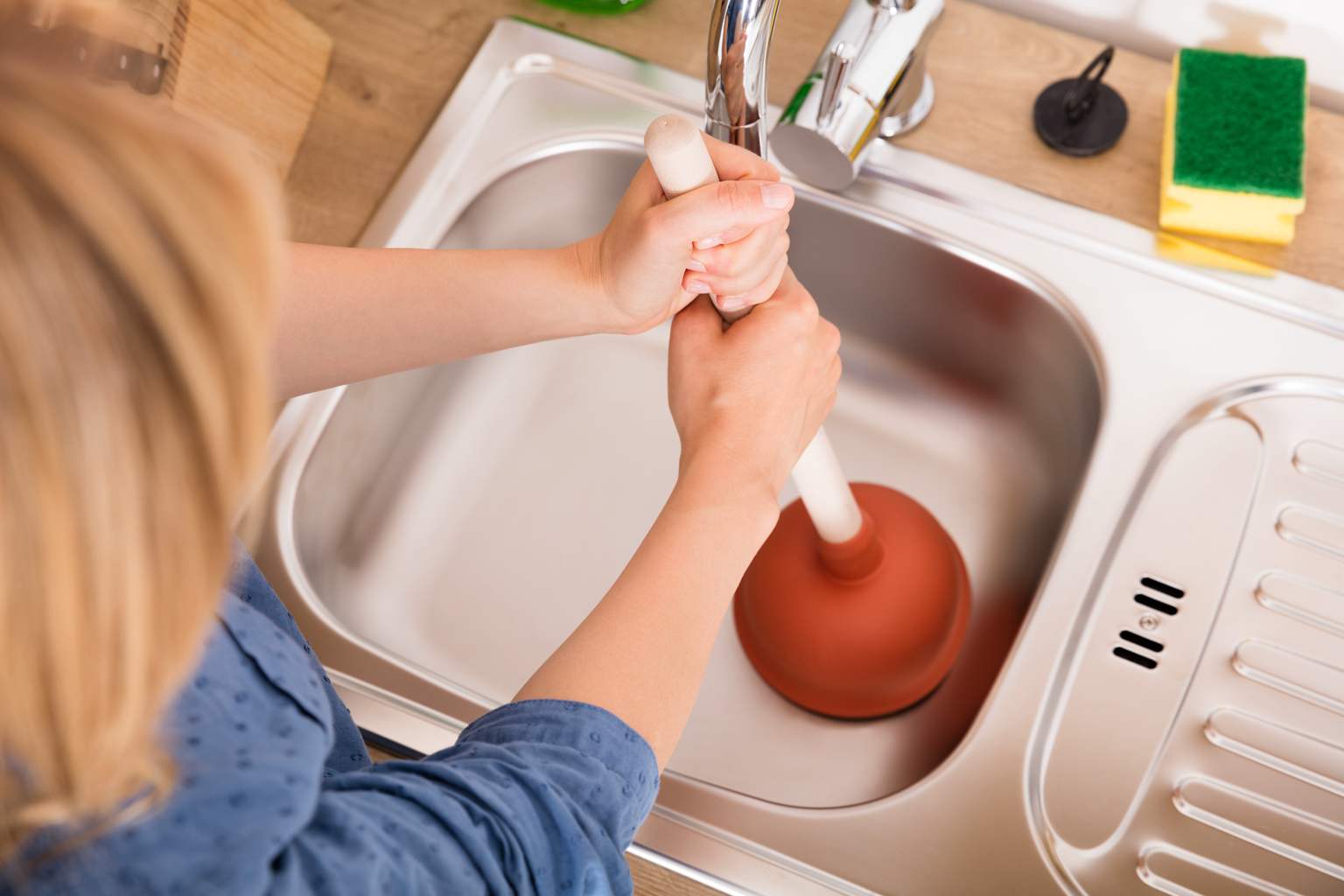
Credit: www.cmu.fr
Preventing Future Clogs
Regularly clean your kitchen sink with hot water and baking soda to prevent future clogs. Dispose of food waste properly and avoid pouring grease down the drain. Use a sink strainer to catch debris before it enters the pipes.
Regular Maintenance Tips
Perform regular checks to keep your sink clean. Use a drain cover to catch food bits. Rinse the sink with hot water weekly. Pour half a cup of baking soda into the drain. Follow with a cup of vinegar. Wait for 10 minutes. Rinse again with hot water. This keeps the pipes clear and fresh. Clean the sink strainer often. Remove any trapped debris. Keep the drain area tidy. These steps help prevent clogs.
Proper Disposal Practices
Avoid pouring grease into the sink. It hardens and blocks pipes. Use a jar to store used oil. Throw it away later. Do not put coffee grounds down the drain. They can cause build-ups. Dispose of them in the trash. Chop large food scraps before washing dishes. This prevents them from entering the drain. Use the trash bin for leftovers. Keep harmful items out of your sink. This ensures smooth water flow.
When To Call A Professional
Sometimes, kitchen sinks get stubborn clogs. These clogs resist all efforts. Using a plunger or baking soda doesn’t work. Water stays stuck in the sink. It’s frustrating and messy. This is when experts are needed. They have special tools and skills. They can solve the problem quickly. Professionals ensure the sink works properly. They keep the kitchen clean and safe.
Some problems are deep inside the pipes. Old pipes might have cracks or breaks. These issues cause frequent clogs. Fixing them requires special knowledge. Regular tools can’t reach these problems. A professional plumber can inspect pipes. They find hidden issues inside. They repair or replace broken parts. This prevents more clogs in the future. Hiring a plumber saves time and worry.
Frequently Asked Questions
What Causes A Kitchen Sink To Clog?
A kitchen sink usually clogs due to food particles, grease, or soap residue. Over time, these materials accumulate in the pipes, obstructing water flow. Regular cleaning and mindful disposal of waste can help prevent clogs and maintain smooth drainage.
How Can I Unclog My Kitchen Sink Naturally?
You can unclog your kitchen sink using baking soda and vinegar. Pour half a cup of baking soda followed by half a cup of vinegar down the drain. Let it sit for 15 minutes. Rinse with hot water to clear the blockage naturally and effectively.
Is A Plunger Effective For Kitchen Sinks?
Yes, a plunger can effectively unclog kitchen sinks. Ensure there’s enough water to cover the plunger’s cup. Create a tight seal over the drain and push forcefully several times. This can dislodge minor blockages and restore proper drainage.
How Often Should I Clean My Sink Pipes?
Cleaning sink pipes every month can prevent clogs. Regular maintenance helps remove buildup of grease and residue. Use natural cleaners like baking soda and vinegar to keep the pipes clean and functioning smoothly.
Conclusion
Clearing a clogged kitchen sink is simpler than it seems. Start by identifying the problem. Then use a plunger or baking soda and vinegar. These are effective, easy methods. For stubborn clogs, try a plumber’s snake. Remember to maintain your sink regularly.
This helps prevent future blockages. Clean your drain with hot water monthly. Avoid pouring grease down the sink. These tips keep your kitchen running smoothly. Clogged sinks can be frustrating. But, with patience and the right tools, you can tackle them effectively.
Stay proactive and enjoy a hassle-free kitchen.