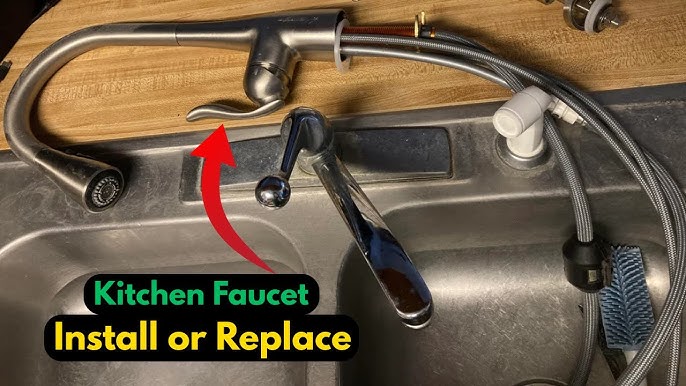
Are you ready to transform your kitchen without breaking the bank? Installing a new faucet might just be the perfect solution.
It’s one of those DIY projects that not only saves you money but also gives you the satisfaction of a job well done. Plus, who doesn’t love the idea of upgrading their kitchen with their own hands? In this guide, we’ll walk you through each step of installing a kitchen faucet, ensuring you have all the tips and tricks you need for a seamless experience.
Whether you’re a seasoned DIY enthusiast or a first-timer, you’ll find this process easier than you might think. Ready to roll up your sleeves and dive in? Let’s get started!
Tools And Materials Needed
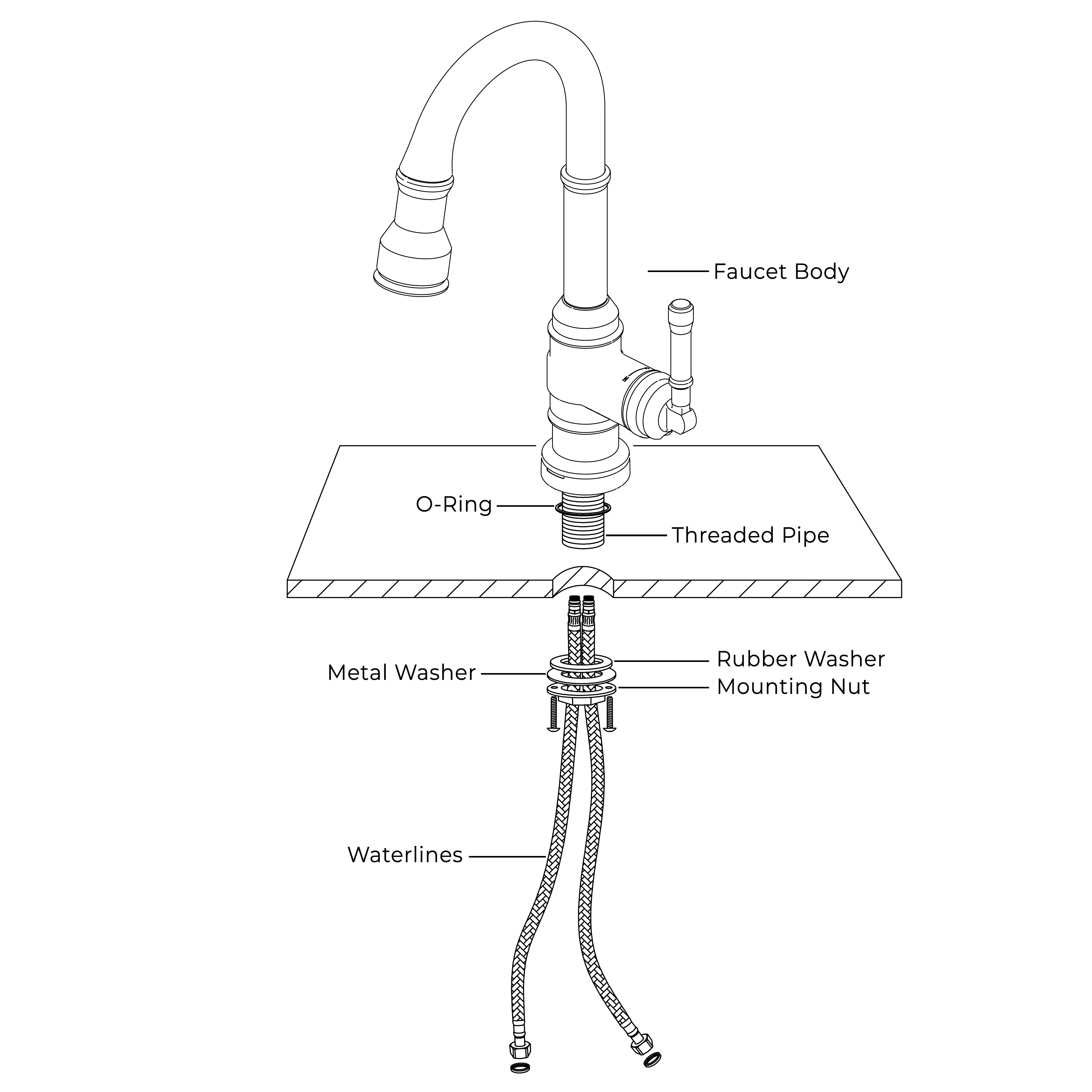
Installing a kitchen faucet requires several tools and materials. A wrenchis necessary to tighten and loosen nuts. A screwdriverhelps with any screws involved. Plumber’s tapeprevents leaks by sealing threads tightly. An adjustable pliersis useful for gripping and turning.
You will need a bucketto catch water during installation. A clean clothis handy for wiping surfaces. Use a new faucetthat fits your sink. Make sure to have a gasketfor sealing connections. Gather all these items before starting work.
Credit: www.fontanashowers.com
Choosing The Right Faucet
Think about the stylethat matches your kitchen. Consider single-handleor double-handlefaucets. Single handles are easyto use. Double handles offer better temperature control. Check the finishlike chrome or stainless steel. It should matchyour kitchen decor.
Look for faucets with a high arc. They provide more spacefor washing big pots. Consider a pull-down sprayer. It’s useful for cleaning dishes. Check the installation type. Some faucets need one hole, others need more. Make sure your sink has the right numberof holes.
Think about the cost. Choose a faucet that fits your budget. Check the warrantyfor peace of mind. A good warranty means less worryabout repairs.
Removing The Old Faucet
Begin by turning off the water supply. Carefully disconnect the old faucet from the sink. Remove any mounting hardware to free the faucet, ensuring no damage to the surrounding area.
Turning Off Water Supply
First, locate the water valves under the sink. Turn them clockwise to stop water. Check if water flow has stopped by turning on the faucet.
Disconnecting Water Lines
Use a wrench to loosen the nuts connecting the water lines. Carefully remove the lines from the faucet. Place a bucket under the sink to catch any water.
Removing Mounting Nuts
Find the mounting nuts holding the faucet. Use a basin wrench to loosen these nuts. Once loose, gently lift the old faucet away. Clean the area before installing a new one.

Credit: www.youtube.com
Preparing The Sink Area
First, clear items around the sink. Wipe the surface with a damp cloth. This removes dust and grime. Use a gentle cleaner for tough spots. Scrub gently with a soft brush. Rinse with water and dry with a towel. This makes the area ready for work. Clean areas look better and are safer.
Inspect the sink for any leaks. Check all pipes and connections. Look for rust or cracks. If you find damage, repair it first. Tighten loose fittings to stop leaks. Ensure everything is secure. This prevents future problems. A good check keeps your sink in great shape. Always fix issues before installing the faucet.
Installing The New Faucet
Installing a new faucet in the kitchen enhances functionality and style. Begin by turning off the water supply. Remove the old faucet, ensuring the area is clean. Position the new faucet, securing it firmly. Connect the water supply lines and check for leaks.
Enjoy your improved kitchen setup.
Positioning The Faucet
Place the faucet into the hole on the sink. Ensure it sits straight and secure. Adjust until it feels balanced. Check alignment with sink edge. Make sure everything is tight.
Securing With Mounting Nuts
Use the mounting nuts underneath the sink. Turn nuts clockwise to tighten. Ensure the faucet stays firm. Do not over-tighten. Check the faucet stability again. It should not wobble.
Connecting Water Lines
- Attach hot water line to faucet.
- Connect cold water line next.
- Ensure connections are snug and secure.
- Turn on water valves.
- Check for any leaks.
- Make sure water flows smoothly.
Testing The Installation
Ensure the faucet is securely fitted and no leaks are present. Turn on the water supply and check each connection. Verify smooth water flow and proper function of the faucet handle.
Turning On Water Supply
Turn the water supply back on slowly. This ensures pressure doesn’t build up. Listen for any unusual noises. These could indicate a problem. Make sure faucets are off before turning water on.
Checking For Leaks
Inspect all connections for leaks. Use a flashlight to check hard-to-see areas. Tighten any loose connections with a wrench. Look for drips under the sink. Leaks can cause damage over time.
Adjusting Water Flow
Turn the faucet on and test water flow. Adjust the handles for desired temperature. Ensure the water flows smoothly. Check hot and cold settings. Proper flow means installation is successful.
Troubleshooting Common Issues
Installing a kitchen faucet can be tricky, but common issues often involve leaks or improper fitting. Ensure tight connections and check washers to prevent water seepage. Follow instructions carefully to avoid misalignment and ensure smooth operation.
Dealing With Leaks
Leakscan be a big problem in the kitchen. Tighten the connections with a wrench. Make sure the washers are not worn out. Replace them if they are. Check for any cracks or breaks in the faucet. If found, it might need replacement. Always ensure the faucet is turned off properly.Resolving Low Water Pressure
Low water pressure can make tasks harder. Check the aerator for any clogs. Clean it gently using a brush. Ensure the valves are fully open. Look for any kinks in the supply line. Straighten them to allow better flow.Handling Unstable Faucet
An unstable faucet can be annoying. Tighten the mounting nuts under the sink. Use a wrench for better grip. Ensure the base is secure. If it wobbles, add more support underneath. Check if any parts are loose. Tighten them to keep the faucet steady. `
Credit: www.amazon.com
Maintenance Tips
Installing a kitchen faucet requires basic tools and patience. Begin by turning off the water supply. Remove the old faucet and clean the area. Position the new faucet and secure it in place. Connect water lines and check for leaks.
Test the faucet to ensure proper function.
Regular Cleaning
Regular cleaning keeps your kitchen faucet shiny. Use a soft cloth and mild soap. Rinse with warm water. Dry with a clean towel. Avoid using harsh chemicals. They can damage the finish.
Preventing Mineral Buildup
Mineral buildup can clog your faucet. Use vinegar to clean mineral deposits. Soak a cloth in vinegar. Wrap it around the faucet. Leave it for a few hours. Rinse with water. This keeps water flowing smoothly.
When To Seek Professional Help
Some problems need expert help. If the faucet leaks, call a plumber. Strange noises can mean trouble. Water pressure issues also need a professional. Fixing these problems quickly prevents bigger issues.
Frequently Asked Questions
How To Choose The Right Kitchen Faucet?
Choosing the right faucet involves considering the sink size, style, and functionality. Opt for a faucet that complements your kitchen decor. Consider features like pull-down sprayers or touchless operation. Ensure the faucet’s reach and spout height fit your sink. Always check for quality materials and a reliable brand for durability.
What Tools Are Needed To Install A Kitchen Faucet?
To install a kitchen faucet, you’ll need an adjustable wrench, basin wrench, and plumber’s tape. Additionally, have a bucket or towel ready for any water spills. A flashlight can be helpful in dark areas under the sink. Always ensure your tools are in good condition for a smooth installation process.
How Long Does It Take To Install A Faucet?
Installing a kitchen faucet typically takes one to two hours. This depends on your experience and the faucet type. Preparation and gathering the right tools beforehand can save time. Ensure you follow the manufacturer’s instructions carefully for a smooth installation.
Having a helper can also speed up the process.
Can I Install A Faucet Without A Plumber?
Yes, you can install a kitchen faucet without a plumber. Follow the detailed instructions provided with the faucet. Ensure you have the necessary tools and turn off the water supply before starting. If you’re unsure, watching a tutorial can help.
However, for complex issues, consulting a professional is advisable.
Conclusion
Installing a kitchen faucet can be simple and rewarding. First, gather all necessary tools and materials. Follow the instructions carefully for a smooth process. Secure the faucet tightly to prevent leaks. Test the faucet after installation. Check for any drips or loose parts.
Enjoy your new kitchen faucet and its fresh look. Regular maintenance will keep it working well for years. Feel confident with this DIY task. Save money and learn valuable skills. Share your experience with friends and family. Encourage others to try home improvements.
Improve your home one step at a time.