Caulking a kitchen sink is important. It helps prevent leaks. Water can damage your kitchen. Let’s learn how to do it.
What You Need
Before you start, gather your tools. You will need:
- Caulk gun
- Silicone caulk
- Rag or cloth
- Scissors or utility knife
- Masking tape
- Sponge
- Bucket of water
Once you have these, you are ready to begin.
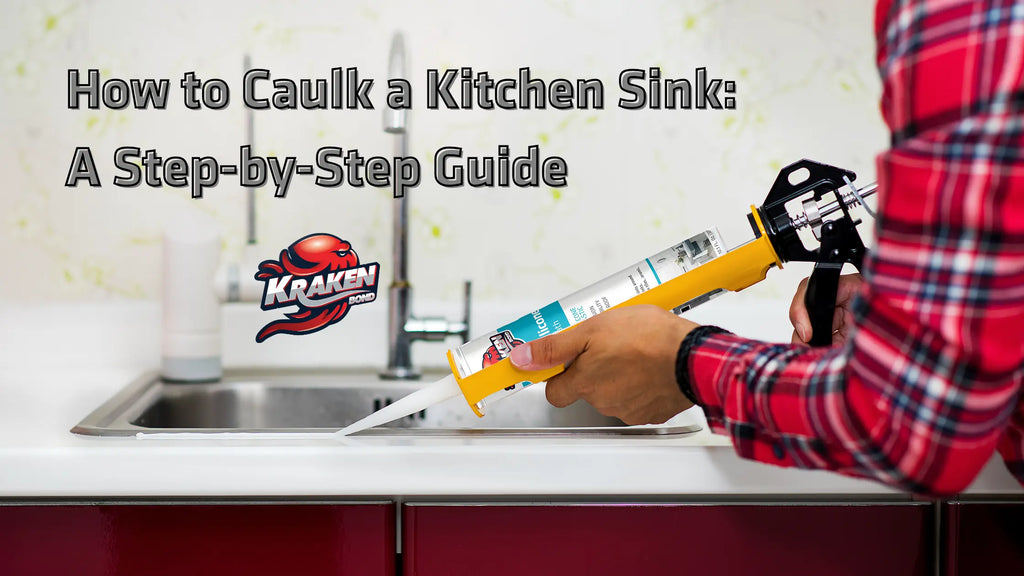
Credit: krakenbond.net
Step 1: Remove Old Caulk
The first step is removing old caulk. Old caulk can look dirty. It can also crack. Use a utility knife or scissors. Carefully cut along the edges. Pull the old caulk away.
Be gentle. You do not want to scratch the sink. If some caulk is hard to remove, use a rag. Dampen the rag with water. Rub the old caulk until it loosens.
Step 2: Clean the Area
Cleaning is important. It helps new caulk stick well. Use a sponge and water. Scrub the sink edges where the old caulk was.
Make sure there is no dirt. If the area is clean, dry it with a cloth. Wet surfaces can make caulk hard to apply.
Step 3: Prepare the Caulk Gun
Preparing the caulk gun is easy. First, cut the tip of the caulk tube. Use scissors or a knife. The hole should be small. This helps control the flow of caulk.
Next, load the tube into the caulk gun. Follow the instructions on the gun. You are now ready to caulk.
Step 4: Apply Masking Tape
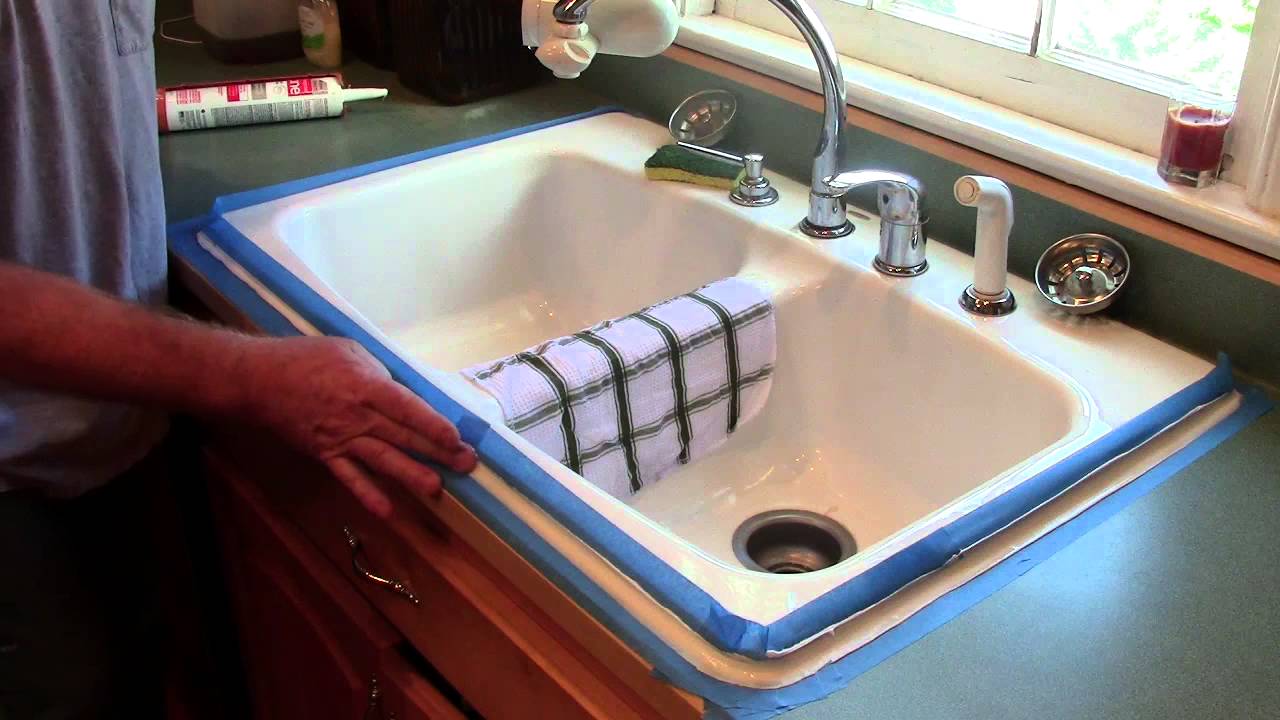
Masking tape helps keep caulk neat. Apply it along the edges of the sink. Leave a small gap where you want the caulk to go.
This gap should be around 1/4 inch wide. It will guide you while applying caulk.
Step 5: Caulk the Sink
Now it’s time to caulk. Hold the caulk gun at a 45-degree angle. Squeeze the trigger gently. Move slowly along the sink edge. Try to keep a steady pace.
Fill the gap between the masking tape. Make sure the caulk is even. If you make a mistake, don’t worry. You can fix it later.
Step 6: Smooth the Caulk
Smoothing caulk makes it look nice. Wet your finger with water. Use it to gently press the caulk. Move along the edge to smooth it out.
Be careful not to press too hard. You want the caulk to stay in place. This step makes your work look professional.
Step 7: Remove Masking Tape
Once the caulk is smooth, remove the tape. Pull it away slowly. This prevents smudging the caulk.
If you notice any uneven spots, use your finger to fix them. Keep it neat and tidy.
Step 8: Let It Dry
Caulk needs time to dry. This can take up to 24 hours. Avoid using the sink during this time.
Check the packaging for drying times. Once dry, your sink is ready to use.
Why Caulk a Sink?
Caulking a sink prevents leaks. Water can damage kitchen counters. Caulk keeps water where it belongs.
It also stops mold from growing. Mold can be harmful. Keeping your sink caulked helps keep your kitchen clean.
Credit: www.youtube.com
How Often to Caulk?
Check your sink every year. Look for cracks or gaps. If you see them, it’s time to caulk again.
Doing this keeps your kitchen safe. It also helps you avoid costly repairs.
Common Mistakes
Some mistakes can happen. Here are a few to avoid:
- Using too much caulk
- Not cleaning old caulk
- Skipping masking tape
- Rushing the job
Take your time. Follow the steps. Your sink will look great.
Tips for Success
Here are some tips:
- Practice on a small area first
- Read caulk instructions
- Keep your tools clean
- Work in good lighting
These tips help make caulking easier. They also make your work look better.
Frequently Asked Questions
What Tools Do I Need To Caulk A Kitchen Sink?
You need a caulking gun, caulk, and a utility knife.
How Do I Remove Old Caulk From A Sink?
Use a utility knife or caulk remover tool. Scrape gently.
Can I Use Any Caulk For My Kitchen Sink?
Use kitchen and bath silicone caulk. It’s waterproof and mold-resistant.
How Often Should I Replace Sink Caulk?
Replace when it cracks or peels. Check annually.
Conclusion
Caulking a kitchen sink is simple. With the right tools, anyone can do it. Follow these steps for a clean, leak-free sink.
Remember to check your sink regularly. Happy caulking!