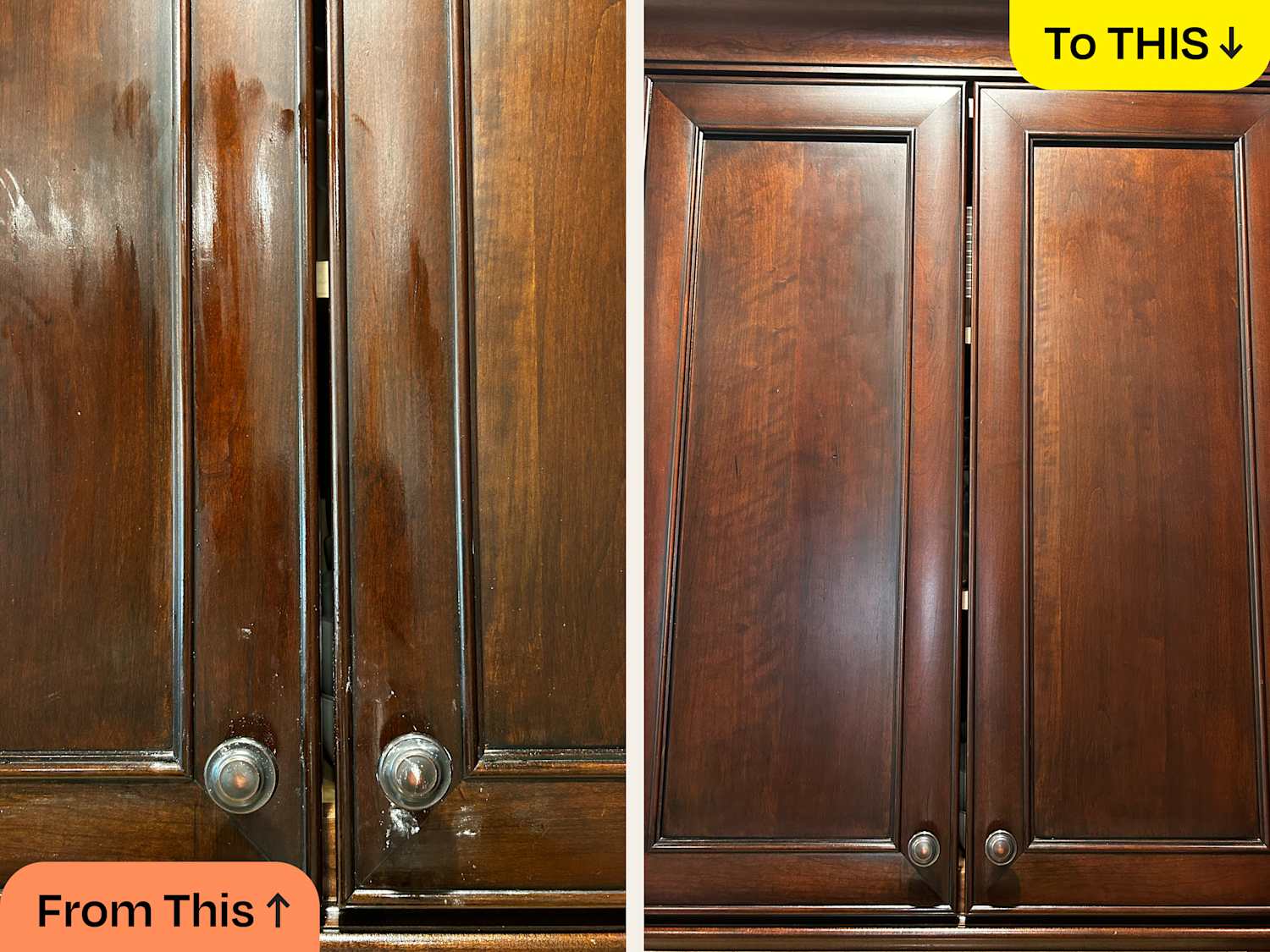
Are your wooden kitchen cabinets looking a little too shiny, and not in the way you’d like? Grease buildup can make your kitchen look dull and uninviting.
Over time, this greasy grime can stick stubbornly to your beautiful wooden surfaces, making them appear worn and tired. But don’t worry; there’s a solution! Imagine the satisfaction of walking into your kitchen and seeing cabinets that look as good as new, gleaming with a warm, natural glow.
You’re about to discover simple, effective methods to tackle the toughest grease, restoring your cabinets to their former glory. Stick around to learn these easy techniques and transform your kitchen into a space you’ll love showing off.

Credit: www.reddit.com
Preparation Steps
Find all the needed supplies. You need soap, water, and a soft cloth. A bucket will help mix them. Use vinegar and baking soda for tough grease.
Take out everything from the cabinets. Store dishes and food safely. This makes cleaning easier. You won’t miss any spot.
Cover the floor with a cloth or newspaper. Place towels on the countertops. This stops spills and messes. Keep your kitchen clean.
Credit: houseoutlook.com
Choosing The Right Cleaner
Selecting the right cleaner for greasy wooden kitchen cabinets is crucial. Mild dish soap mixed with warm water often works best. Avoid harsh chemicals to protect the wood’s finish.
Natural Cleaning Solutions
Using natural cleaners is safe for wood and the environment. Vinegar mixed with water can cut through grease. Lemon juice adds a fresh scent while cleaning. Baking soda gently scrubs away grime without scratching. Essential oils like tea tree can add an extra cleaning boost. Always test on a small area first.Commercial Degreasers
Commercial degreasers are powerful and effective on greasy cabinets. Read labels to ensure they’re safe for wood. Some products may contain harsh chemicals. Always wear gloves when using these cleaners. Follow instructions for best results. Rinse surfaces to remove any residue left behind.Diy Cleaning Recipes
Make a simple cleaner with items at home. Mix dish soap with warm water for a gentle cleaner. Add a splash of vinegar for extra power. For tough stains, combine baking soda and water into a paste. Apply and scrub gently. Wipe clean with a damp cloth. `Cleaning Techniques
Use a damp cloth for small grease spots. Add a drop of dish soapto the cloth. Rub gently to avoid scratching the wood. Rinse the cloth in warm water. Wipe again to remove soap residue. Dry the area with a clean, dry cloth.
Mix vinegarand water in a spray bottle. Spray the solution on the cabinet surfaces. Let it sit for a few minutes. Scrub using a soft brush or sponge. Rinse with a damp cloth. Dry thoroughly to prevent water damage.
Apply baking sodapaste on tough grease spots. Make the paste with baking soda and water. Let it sit for 10 minutes. Scrub gently with a brush. Wipe off with a damp cloth. Dry the cabinet with a clean towel.

Credit: www.reddit.com
Finishing Touches
Start by dusting off cabinets with a dry cloth. Mix mild soap with warm water to wipe away grease. Finish by drying with a clean towel to prevent moisture damage.
Rinsing And Drying
Use clean water to rinse the cabinets. Remove soap residue completely. Dry the surface with a soft cloth. Ensure no water spots remain. This prevents damage to wood.
Polishing For Shine
Choose a wood polish suitable for kitchen cabinets. Apply with a clean cloth. Rub in small circles for best results. Buff to a shine with another cloth. This makes cabinets gleam beautifully.
Applying Protective Coating
Use a protective coating for wood surfaces. This guards against future grease build-up. Apply evenly across the cabinet surface. Let it dry properly. This prolongs the life of the wood.
Maintenance Tips
Clean greasy wooden kitchen cabinets by mixing vinegar and water. Use a soft cloth to wipe surfaces gently. Finish by drying with a clean towel to prevent streaks.
Regular Cleaning Routine
Wipe cabinets with a damp cloth every week. Use mild soap and water. Avoid harsh chemicals that damage the wood. Dry with a clean towel to prevent water spots. Regular cleaning keeps cabinets looking new.
Preventing Grease Buildup
Cooking creates sticky, oily layers on cabinets. Use a grease-cutting cleaner monthly. Spray cleaner on a soft cloth. Gently wipe all cabinet surfaces. Focus on handles and edges. This stops grease from sticking.
Using Kitchen Ventilation
Turn on the kitchen fan while cooking. It pulls steam and grease away. Open windows for extra airflow. Fresh air helps keep the kitchen clean. This makes cleaning easier and faster.
Common Mistakes
Rubbing too hard can damage wood cabinets. Using harsh chemicals might strip the finish. Forgetting to dry cabinets can lead to moisture damage.
Avoiding Harsh Chemicals
Many people use strong chemicals on wooden cabinets. This can damage them. Wood needs gentle care. Choose mild soap or vinegar. These are safer for wood. Avoid bleach or ammonia. They harm the wood’s finish. Always read labels before using products.
Protecting Cabinet Finish
Cabinet finish is delicate. Scrubbing too hard can ruin it. Use a soft cloth. Gently wipe the surface. Avoid steel wool or rough pads. They scratch and dull the finish. A gentle touch is best for wood.
Proper Rinsing Techniques
Rinsing is important. Soap residue can harm wood. Use clean water to rinse. Wipe with a damp cloth. Dry cabinets well after cleaning. Water spots are bad for wood. Finish by drying with a soft towel.
Frequently Asked Questions
How To Remove Grease From Wooden Cabinets?
To remove grease from wooden cabinets, use a mixture of vinegar and water. Apply with a soft cloth, gently scrub, and then wipe clean. Avoid harsh chemicals, as they can damage the wood. Regular maintenance will prevent build-up.
Can I Use Baking Soda On Wood Cabinets?
Yes, baking soda is safe for wood cabinets. Mix it with water to form a paste. Apply gently using a soft cloth, then wipe clean. Baking soda effectively removes stains without causing damage to the wood surface.
What’s The Best Cleaner For Greasy Cabinets?
A mixture of dish soap and warm water is effective for greasy cabinets. Dish soap cuts through grease without harming the wood. Use a soft cloth to apply, then rinse with clean water. Dry thoroughly to prevent water damage.
Are Vinegar And Water Safe For Wood?
Yes, vinegar and water are safe for wood. They effectively clean without harsh chemicals. Mix equal parts vinegar and water, apply with a soft cloth, and wipe clean. Avoid soaking the wood to prevent damage.
Conclusion
Keeping wooden kitchen cabinets clean is simple. Regular maintenance prevents grease buildup. Use gentle cleaners for everyday grime. Vinegar and baking soda work wonders on stubborn spots. Always dry cabinets after cleaning. This prevents moisture damage. Remember to check cabinet hinges and handles.
They need cleaning too. A clean kitchen feels welcoming and fresh. Your efforts make cooking enjoyable. Clean cabinets enhance your kitchen’s beauty. Keep them shining with regular care. A little time spent now saves trouble later. Enjoy your tidy, grease-free kitchen space.