Your kitchen is the heart of your home, and nothing transforms it faster than a fresh coat of paint on your cabinets. Imagine walking into a kitchen that feels brand new, with vibrant colors that breathe life into your space.
Repainting your kitchen cabinets is not just a cost-effective way to update your home; it’s also a satisfying DIY project that you can tackle with confidence. But where do you start? What are the secrets to achieving that smooth, professional finish you crave?
This guide is designed with you in mind, offering step-by-step instructions and insider tips to help you revitalize your kitchen with ease. Ready to give your kitchen the makeover it deserves? Keep reading to discover how simple it is to repaint your kitchen cabinets and turn your culinary space into a masterpiece.
Preparing Your Space
Creating a clutter-free environment is crucial for repainting kitchen cabinets. Remove items, cover surfaces, and ensure proper ventilation. These steps help achieve a smooth and professional finish.
Clearing The Area
Move all items away from the cabinets. This includes dishes, food, and decorations. Use boxes or bags to store them safely. Ensure nothing is left inside the cabinets. It’s important for a smooth process. This step prevents damage to your belongings.
Protecting Surfaces
Cover countertops with plastic or old sheets. Tape the edges securely to hold them in place. Floors should also be covered to avoid paint spills. Use newspapers or drop cloths for this. Protecting surfaces keeps your kitchen clean. It saves time on cleaning later.
Choosing The Right Paint
Selecting the right paint is crucial for kitchen cabinets. Opt for durable, easy-to-clean finishes. Consider semi-gloss or satin for a smooth, washable surface.
Types Of Paint
Picking the right paint is important. There are many types to consider. Oil-based paintsoffer a smooth finish. They are also very durable. Water-based paintsdry quickly. They have less smell. They are easy to clean up. Chalk paintsgive a vintage look. They need a wax finish to protect them. Always read the paint label carefully. It tells you how to use it. Choose what suits your needs best.
Color Selection
Color can change how a room feels. Light colorsmake a kitchen look bigger. They are bright and cheerful. Dark colorsadd a cozy feel. They are elegant and bold. Think about the rest of your home. Choose a color that matches well. Don’t forget to test a small area first. This helps you see the color in your light.
Gathering Essential Tools
Gathering essential tools is the first step to repaint your kitchen cabinets. Ensure you have sandpaper, a paintbrush, paint, and primer. Proper tools make the job easier and ensure a smooth finish.
Brushes And Rollers
Choose high-quality brushes for smooth strokes. Small brushes help for corners. Use foam rollers for even paint layers. Foam rollers work well on flat surfaces. Synthetic bristles are good for latex paint. Natural bristles suit oil-based paints. Keep extra brushes handy for touch-ups.
Sanding Equipment
Use sandpaper to smooth cabinet surfaces. Start with coarse grit and finish with fine grit. An electric sander saves time. Sanding blocks are great for small areas. Dust masks protect lungs from dust. Vacuum away dust before painting. Sanding ensures paint sticks well.
Removing Cabinet Doors And Hardware
Begin by carefully removing cabinet doors and hardware. This ensures a smooth surface for repainting. Organize the pieces for easy reassembly.
Labeling And Storage
Remove each cabinet door carefully. Use a pencil to mark each door. Write a number or letter on the inside edge. This helps you know where each door belongs. Store the doors in a safe place. Stack them on a flat surface. Use cloth or foam between each door. This prevents scratches.
Handling Hinges And Knobs
Use a screwdriver to take off the hinges. Keep screws in a small container. This way, you won’t lose them. Knobs need gentle handling. Unscrew each knob slowly. Place all knobs in a separate bag. Label the bag with the cabinet name. This keeps everything organized.
Cleaning And Sanding Surfaces
Preparing kitchen cabinets for repainting begins with cleaning and sanding surfaces. Remove grime and old paint layers. Smooth the surface with sandpaper for a fresh start.
Degreasing Cabinets
Grease builds up on kitchen cabinets over time. Use a degreasing cleaner to remove this. Spray the cleaner on the cabinet surfaces. Wipe with a clean cloth. Pay extra attention to corners and handles. Rinse with water after cleaning. Dry the surface well before sanding.
Sanding Techniques
Sanding makes surfaces smooth for painting. Start with medium-grit sandpaper. Rub gently along the grain of the wood. Switch to fine-grit sandpaper for a smoother finish. Always sand evenly to avoid scratches. Use a damp cloth to remove dust after sanding.

Credit: kitchenmakeovers.co.uk
Applying Primer
Applying Primer Ensure smooth and lasting paint by applying primer to your kitchen cabinets. This step covers imperfections and prepares the surface for paint. Allow it to dry completely before moving to the next step.
Choosing A Primer
Picking the right primer is very important. Oil-based primers work well for wood cabinets. Water-based primers dry faster but may not stick well. Shellac primers are great for stains. Check the primer label for best results. Make sure it’s compatible with your paint.
Proper Application
Clean cabinets before applying primer. Use a soft cloth to remove dust. Apply primer with a good brush or roller. Use even strokes for smooth coverage. Start from the inside and work out. Let the primer dry completely. Drying time is often on the label. Sand lightly if needed. This helps the paint stick better.
Painting The Cabinets
Refreshing kitchen cabinets with a new coat of paint can transform the room’s atmosphere. Begin by cleaning and sanding the surfaces for a smooth finish. Choose a suitable primer and paint to ensure durability and vibrancy.
First Coat Techniques
Apply a thin coat of paint to each cabinet. Use a small brush for corners and edges. A roller works well for flat areas. Make sure to cover all surfaces evenly. Let the first coat dry completely. It usually takes a few hours. Check for any missed spots or streaks. If needed, gently sand rough patches. This helps the next coat stick better. Always paint in a well-ventilated area.
Adding Additional Coats
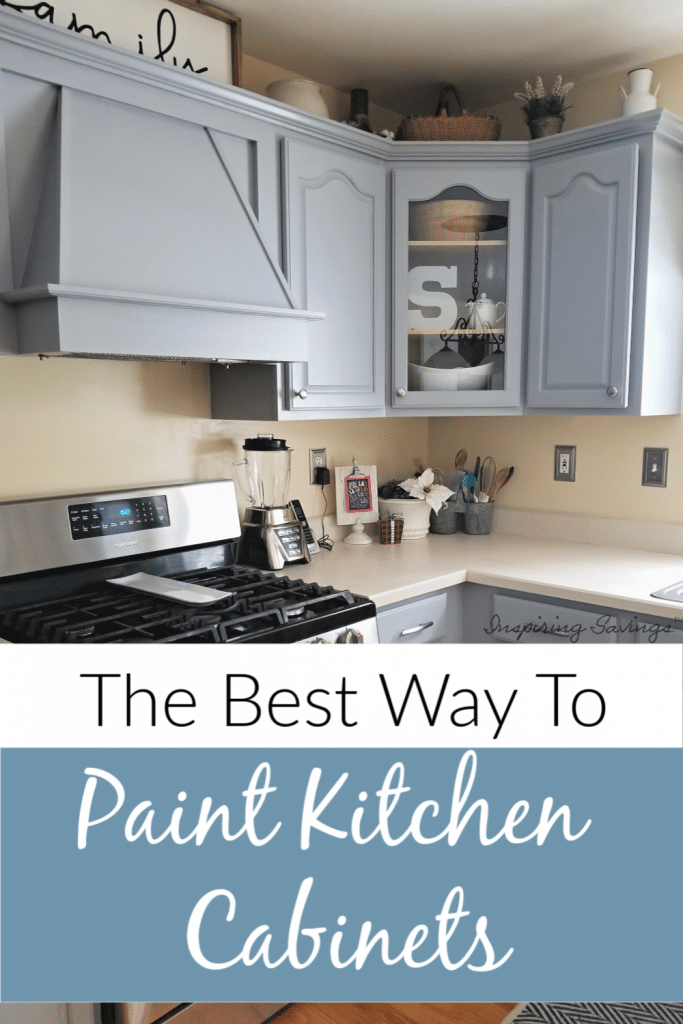
Once the first coat dries, apply a second coat. This ensures a smooth, even finish. Use the same techniques as before. Check for any drips or thick spots. Lightly sand between coats if needed. Two or three coats are usually enough. Each coat adds more color and protection. Make sure cabinets are dry before use.
Credit: www.inspiringsavings.com
Reassembling The Cabinets
Reassembling the Cabinets After painting, ensure the cabinets are completely dry. Carefully reattach doors and hardware for a neat finish. Use a screwdriver to secure hinges and handles tightly.
Reattaching Doors
First, find the correct door for each cabinet. Place the door in its spot. Use a screwdriver to tighten the hinges. Ensure the door is straight. Adjust if needed. Check if the door opens smoothly. If not, adjust the hinges again. Repeat this for all doors. Be patient and careful. This step is important.
Securing Hardware
Gather all the hardware pieces. These include knobs and handles. Align each piece with its hole. Use a screwdriver to attach them. Make sure they are tight. Loose hardware can cause problems. Check each piece once attached. Give them a little tug. Ensure they are secure. A well-done job makes the cabinets look nice. It also makes them easy to use.
Finishing Touches
Add new handles and knobs to give your kitchen cabinets a fresh look. Use a topcoat for long-lasting shine and protection.
Inspecting The Paint Job
Check the cabinets for splotchesor uneven spots. Make sure the paint is smoothand even. Look carefully at all corners and edges. Fix any dripsor imperfections. Use a small brush for touch-ups. Let the cabinets dry completely.
Adding Protective Coatings
Apply a clear coat to protect the paint. Choose a non-yellowingfinish. Use a good qualitybrush or roller. Apply in thin layers for best results. Let each layer dry before adding another. Check for bubblesor streaksand fix them.

Credit: www.chismbrothers.com
Maintenance Tips
Refreshing kitchen cabinets can be simple with the right steps. Begin by removing hardware and cleaning surfaces. Sand lightly, apply primer, and choose a durable paint for a fresh look.
Cleaning Recommendations
Use a soft cloth to wipe the cabinets. Avoid using harsh chemicals. Mild soap and water work best for daily cleaning. Dry with a clean towel after washing. Do not let water sit on the surface. Grease can build up over time. A mix of vinegar and water helps remove grease. Gently scrub in a circular motion. Always clean spills quickly to prevent damage.
Handling Repairs
Check for loose hinges or handles. Tighten screws if needed. Small scratches may appear over time. Use a touch-up pen to fix them. For deeper scratches, use wood filler. Sand the area gently after filling. Apply matching paint for a smooth look. Inspect for peeling paint regularly. Repaint small areas if necessary. This keeps cabinets looking new.
Frequently Asked Questions
What Is The Best Paint For Kitchen Cabinets?
Choosing the right paint is crucial for durability. Opt for a high-quality acrylic or alkyd paint. These types offer excellent adhesion and a smooth finish. Semi-gloss or satin finishes are ideal. They resist stains and are easy to clean, making them perfect for kitchen environments.
How To Prepare Cabinets For Repainting?
Preparation is key for a smooth finish. Start by removing doors and hardware. Clean surfaces with a degreaser to remove grime. Sand lightly to create a smooth surface for paint adhesion. Apply a primer to ensure the paint sticks properly.
This prevents chipping and peeling.
How Long Does Cabinet Paint Last?
With proper preparation and quality materials, cabinet paint can last up to 10 years. Regular cleaning helps maintain the finish. Avoid harsh chemicals that can damage the paint. Repainting when you notice wear will keep cabinets looking fresh and new.
Can I Paint Cabinets Without Sanding?
Yes, you can paint without sanding by using a deglosser. Deglossers roughen the surface for paint adhesion. They’re ideal for cabinets with intricate details. Ensure to clean thoroughly before applying primer and paint. This method saves time and effort while achieving a smooth finish.
Conclusion
Repainting kitchen cabinets can transform your space. It’s cost-effective and fun. First, gather your materials. Sand the surfaces. Apply primer for a smooth finish. Choose your paint color wisely. Use steady strokes for even coverage. Let it dry completely. Reattach hardware carefully.
Enjoy your refreshed kitchen look. The process may take time, but it’s worth the effort. You save money and gain satisfaction. Your kitchen will feel new again. Ready to start your project? Dive in and create a vibrant kitchen space.
Happy painting!