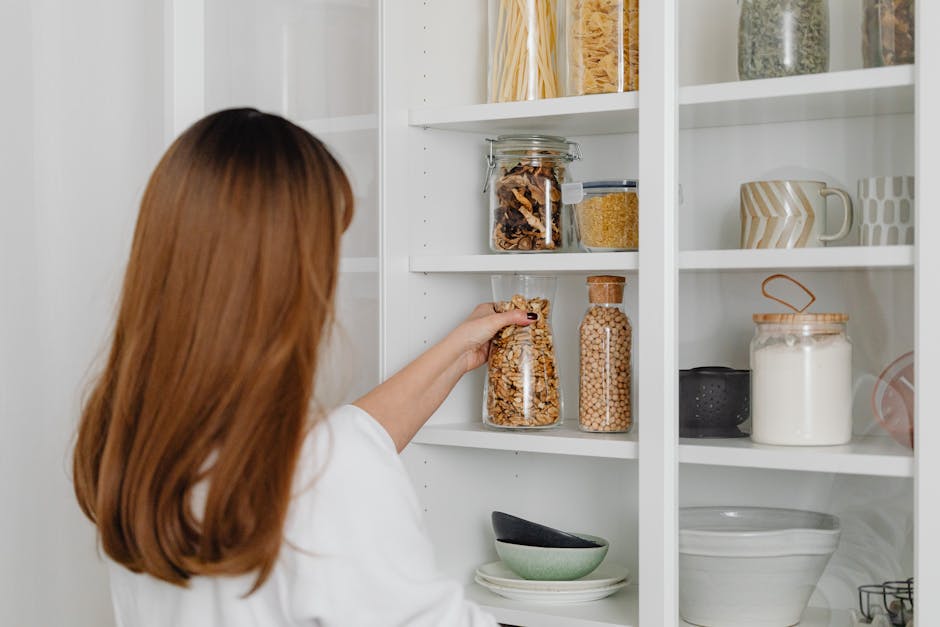
Imagine opening your kitchen pantry and feeling a wave of calmness instead of chaos. Picture neatly arranged shelves where everything is easy to find and within reach.
Sounds like a dream, right? But it can be your reality. If you’ve ever felt overwhelmed by the clutter in your pantry, you’re not alone. Many people struggle with organizing their kitchen spaces. But what if there was a way to transform your pantry into a haven of order?
By learning how to arrange your kitchen pantry effectively, you not only save time but also reduce stress and make cooking more enjoyable. This guide will reveal simple steps to turn your pantry into a well-organized space that caters to your needs. With these tips, you’ll discover how to maximize space, maintain order, and even enhance your culinary creativity. Ready to take control and create a pantry that works for you? Keep reading to unlock the secrets to a perfectly arranged kitchen pantry.
Assessing Pantry Space
Start by measuring the pantry area. Use a tape measure for accuracy. Write down the width, depth, and height. Identify the storage needs. What items do you use most? Create a list. Group similar items together. This helps in organizing later. Consider shelving options. Adjustable shelves offer flexibility. Think about baskets or bins. They keep small items tidy. Use transparent containers. This makes finding things easy. Check for unused space. Corners or high shelves can store less-used items. Evaluate lighting. Good lighting improves visibility. A bright pantry is easier to navigate. Organize items by frequency of use. Prioritize accessibility for daily items. Store seasonal items higher up. Label containers for quick identification. Clear labels save time. Plan the layout before buying organizers. This ensures everything fits well.

Credit: www.houseofharveyblog.com
Categorizing Food Items
Start by sorting all food items into groups. Place all canstogether. Gather all dry goodslike pasta and rice. Keep snacksin one area. Put baking suppliestogether. Group all spicesin a small box. Use baskets for fruitsand vegetables.
Label each section clearly. This helps find items quickly. Use small containers for loose items. It keeps them neat. Store heavy items at the bottom. Lighter items go on top. Regularly check for expired items. Remove them to make space. Keep a small list of what you have. Update it often. This helps with shopping.
Choosing Storage Solutions
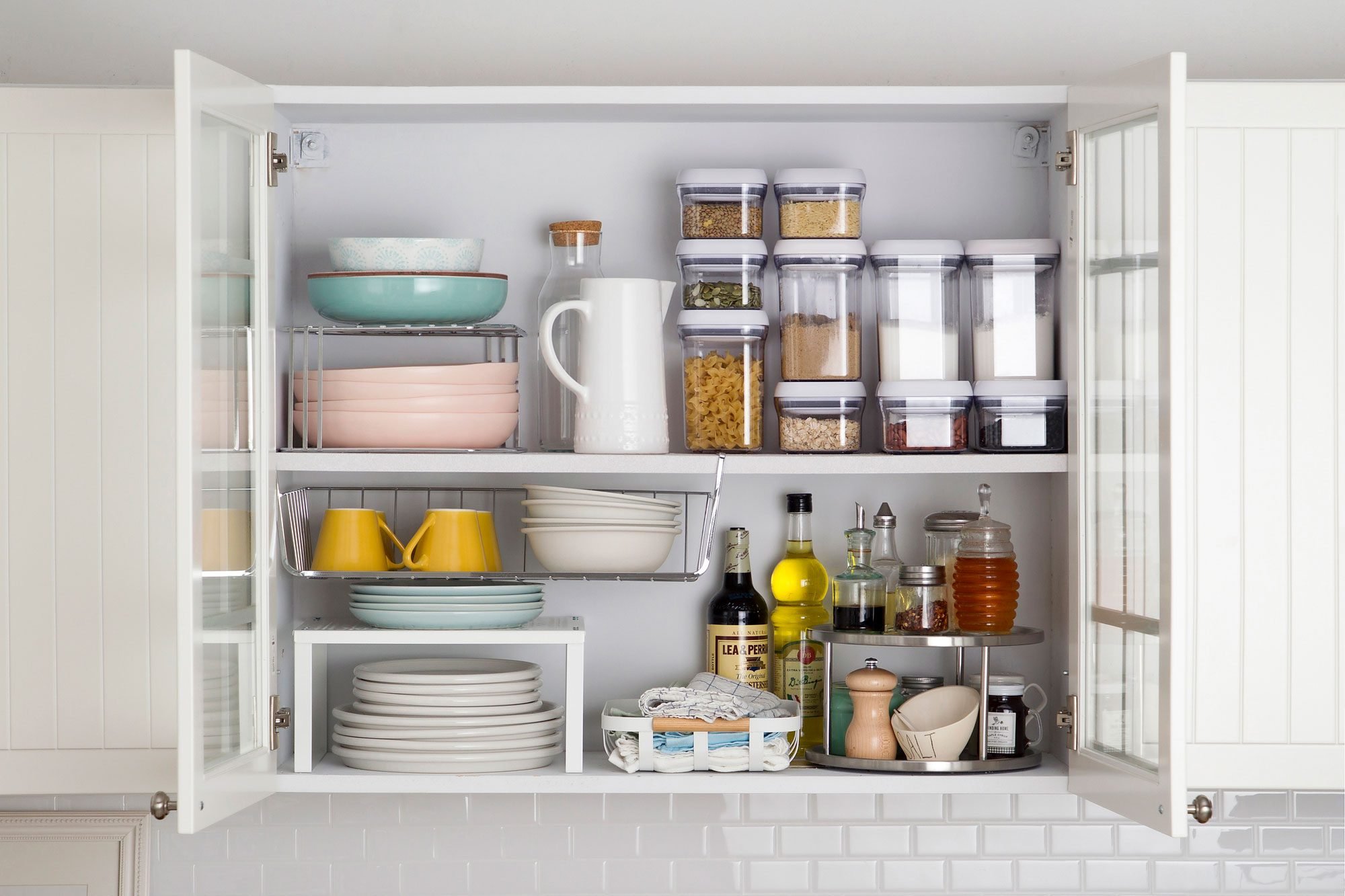
Bins and baskets keep things tidy. They help group similar items. Choose sturdy baskets for heavy items. Use smaller bins for snacks. Label each bin for easy finding.
Clear containers show what’s inside. They prevent food from spoiling. Stack them to save space. Use different sizes for different foods. Label them with dates.
Lazy Susans spin around for easy reach. Ideal for corner spaces. Use them for jars and cans. They keep things neat. Choose a size that fits your shelf.
Labeling And Organizing
Labeling and organizing transform your kitchen pantry into a neat space. Group similar items together for easy access. Use clear labels on containers to identify contents quickly.
Labeling Techniques
Labelinghelps find items easily. Use large, clear labels. Stick them on jars and containers. Use bold colors for visibility. Labels should be waterproof. Use chalk markers on reusable labels. Label shelves for proper placement. Group similar items together. Labels make a pantry look neat.
Shelf Organization
Organize shelves by item type. Place snacks on one shelf. Store cans together on another. Use baskets for small items. Stack boxes for more space. Keep taller items at the back. Store heavy items on lower shelves. Use clear bins for visibility. This keeps the pantry tidy and easy to use.
Maximizing Shelf Space
Use vertical space to store more items. Stack containers on top of each other. Install shelves that reach the ceiling. This creates more room for supplies. Place seldom-used items on higher shelves. Keep everyday items at eye level. This makes them easy to reach. Use tall containers for pasta and cereal. They fit better in tight spaces.
Door racks hold many small items. Hang them on the pantry door. Use racks for spices, jars, and snacks. This keeps them organized and neat. Ensure the door can close with the rack. Check the door’s strength for heavy items. Adjust the shelf height for taller items. This makes every inch useful.
Incorporating A Rotation System
Organizing a pantry needs a smart rotation system. This helps in using older items first. Place new groceries at the back. Always bring older items to the front. This method keeps food fresh and reduces waste.
Check expiration dates regularly. This helps in planning meals better. Keep a list of items you need to use soon. This list helps in planning recipes. A rotation system also saves money by avoiding expired items.
Label shelves clearly. Use labels to identify each section. This makes finding items easy. Teach family members to follow the system. Everyone should know where things go. This keeps the pantry neat and organized.
Maintaining Pantry Organization
Organize your kitchen pantry by grouping similar items together. Use clear containers for easy identification. Place frequently used items at eye level for quick access.
Regular Cleaning
Regular cleaning keeps your pantry tidy and fresh. Wipe shelves every month. Use a damp cloth to remove dust. Check for crumbs or spills often. They can attract pests. Keep a small trash bin nearby. Dispose of expired items promptly.
Updating Inventory
Updating inventory helps track your pantry items. Keep a list of all supplies. Write down what you buy. Cross off what you use. This prevents overbuying and waste. Always know what’s in stock. Create a shopping list from your inventory. Save time and money at the store.

Credit: food52.com
Credit: www.rd.com
Frequently Asked Questions
What Is The Best Way To Organize A Pantry?
Start by grouping similar items together, like grains, canned goods, and snacks. Use clear containers for visibility and add labels for easy identification. Store frequently used items at eye level. This method maximizes space and efficiency, making meal prep smoother.
How Do I Maximize Small Pantry Space?
Utilize vertical space with stackable shelves and over-the-door organizers. Use baskets for loose items and clear bins for visibility. Rotate older items to the front to prevent expiration. Clever organization helps you make the most of limited space.
How Often Should I Clean My Pantry?
Aim to clean your pantry every three to six months. Regular cleaning prevents pests and keeps your pantry organized. During cleaning, check expiration dates and discard expired products. This routine ensures a fresh, efficient kitchen space.
What Containers Are Best For Pantry Storage?
Opt for airtight, clear containers to keep food fresh and visible. Glass or BPA-free plastic containers are ideal. Choose stackable designs to save space. Proper containers protect your ingredients and prolong shelf life, making organization simple.
Conclusion
Arranging your kitchen pantry can simplify meal prep. A tidy pantry saves time. It also reduces food waste. Group similar items together. Use clear containers for easy access. Label everything for quick identification. Keep frequently used items at the front.
Store heavy items on lower shelves. Regularly check expiration dates. Donate items you won’t use. A well-organized pantry keeps your kitchen efficient. Enjoy cooking in a clutter-free space. It makes a big difference daily. A little effort now rewards you later.
Happy organizing!