Are you planning a kitchen makeover but unsure how to tackle the cabinet installation? Installing kitchen cabinets might seem daunting, but with the right guidance, you can transform your kitchen space with confidence and ease.
Imagine the satisfaction of stepping back and admiring a job well done, knowing you’ve added both functionality and value to your home. We’ll walk you through the simple, step-by-step process of installing your kitchen cabinets. Whether you’re a seasoned DIY enthusiast or a complete novice, you’ll find useful tips and tricks to ensure a smooth and successful installation.
Ready to roll up your sleeves and get started? Let’s dive in and turn your kitchen dreams into reality!

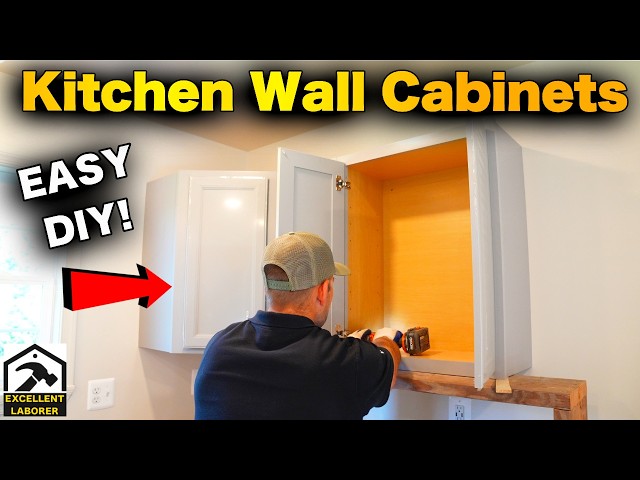
Credit: www.youtube.com
Preparation Steps
Begin by collecting all the tools you need. A drill, level, and measuring tape are essential. You also need a screwdriver and hammer. A pencil for marking spots is useful. Don’t forget screws and anchors for the walls. Keep all tools within reach for easy access.
Use a measuring tape to check the space. Measure the width, height, and depth. Write down all the measurements clearly. Check that the floor and walls are level. Uneven surfaces can cause issues. If needed, make adjustments before installing.
Choosing Cabinet Style
Kitchen cabinets come in many materials. Wood is a popular choice. It gives a warm, classic look. Metal cabinets are sleek and modern. They are easy to clean. Laminate is budget-friendly and available in many colors. It resists stains and scratches. Glass cabinets add elegance but need regular cleaning. Choose a material that suits your style and needs.
The finish of your cabinets affects the look. Glossy finishes are shiny and bright. They reflect light well. Matte finishes are smooth and subtle. They hide fingerprints and scratches. Choose a color that complements your kitchen. White is timeless and makes spaces look bigger. Dark colors add depth and sophistication. Natural wood tones bring warmth and coziness. Make sure your cabinet color matches your kitchen theme.
Removing Old Cabinets
Carefully remove old cabinets to start installing new kitchen cabinets. Use a screwdriver to detach screws and gently take down the cabinets. Clean the area, ensuring it’s ready for the new installation.
Disconnect Plumbing And Electrical
Turn off water and electricity before starting. Carefully remove pipes and wires. Label each part for easy reinstallation. Use caution with sharp tools and edges. Avoid damaging walls or floors.
Careful Demolition Techniques
Use a crowbar to pry cabinets gently. Work slowly to prevent accidents. Keep screws and hinges in a safe place. Dispose of old materials responsibly. Protect surrounding areas from debris.

Credit: www.familyhandyman.com
Installing Upper Cabinets
Align cabinets with a level and mark positions on the wall. Secure them with screws into wall studs. Use shims to adjust for any uneven areas, ensuring cabinets are straight and level.
Find Studs
Use a stud finder to locate the wall studs. Mark the positions of each stud lightly with a pencil. This will help you know where to drill later. Keep your marks visible while you work. Make sure you have the right tools ready. A level and a drill are important.
Secure Cabinet Frames
Hold the cabinet frame against the wall. Align it with the marked studs. Use screws to attach the cabinet to the wall studs. Tighten each screw firmly. Ensure the cabinet is level and sturdy. Check with a level tool. Adjust if needed to keep it straight. Safety is important, so be careful.
Installing Lower Cabinets
Lower cabinets must be in line with upper cabinets. Use a level for accurate alignment. This helps keep everything straight. Check measurements twice to avoid mistakes. Cabinet corners should match the upper ones. Proper alignment makes kitchens look neat.
Secure cabinets to the floor using screws. They must be firmly attached for safety. Use brackets to connect cabinets to walls. This prevents them from tipping over. Make sure all screws are tight. Double-check connections for stability. Proper attachment keeps cabinets safe and sturdy.

Credit: www.create-enjoy.com
Adding Countertops
Installing kitchen cabinets involves precise measurements for countertop placement. Ensure that cabinets are level and securely anchored before adding countertops. Proper alignment guarantees smooth installation and aesthetic appeal.
Select Countertop Material
Choose a materialthat suits your kitchen. Granite is strong and beautiful. Laminate is affordable and easy to clean. Wood adds warmth to your kitchen. Each material has its own advantagesand looks. Think about your budget and style before choosing.
Ensure Proper Fit
Measure your cabinets carefully. Countertops must fit right on them. Use a measuring tape for accuracy. Check the length and width twice. Make sure edges are even. If unsure, ask for help from an expert. A good fit makes your kitchen look neat and tidy.
Final Touches
Ensure cabinet doors and hardware align properly for a polished look. Securely fasten cabinets to the wall studs. Seal edges with caulk to prevent moisture damage.
Install Cabinet Hardware
Time to add the cabinet hardware. Pick handles that match your kitchen style. Use a ruler to measure where the handles go. Drill holes for screws in the right spots. Attach handles tightly with screws. Check if they feel firm and don’t wobble.
Adjust Hinges And Doors
Make sure cabinet doors open and close well. If doors don’t close right, adjust the hinges. Use a screwdriver to fix loose hinges. Tighten them until doors hang straight. Test by opening and closing the doors. They should move smoothly.
Cleaning Up
Installing kitchen cabinets involves careful planning and precise measurements. Secure cabinets to the wall studs for stability. Ensure alignment and balance by using a level throughout the process.
Dispose Of Debris
After installing cabinets, there will be lots of debris. Wood scraps, packaging, and old materials need removal. Use a strong trash bag for small pieces. Bigger parts may need special disposal. Check local rules for big trash. Keep the work area clean. This prevents accidents and keeps your home tidy.
Clean And Polish Surfaces
New cabinets should look shiny and clean. Use a soft cloth to wipe them. Avoid harsh chemicals; they might damage surfaces. A mild soap mixed with water works well. Dry the cabinets with a clean towel. Polish if needed for extra shine. Happy cleaning!
Frequently Asked Questions
What Tools Are Needed For Cabinet Installation?
To install kitchen cabinets, gather essential tools like a drill, screwdriver, level, tape measure, and stud finder. You’ll also need clamps, a pencil for marking, and safety gear like goggles. Having all tools ready ensures a smooth installation process and helps avoid delays or mistakes.
How Do I Prepare My Kitchen Space?
Start by clearing the kitchen area and removing old cabinets, if necessary. Check walls for imperfections and ensure they’re level. Measure the space accurately to fit new cabinets. Preparing your kitchen properly is crucial for a successful cabinet installation and helps avoid unnecessary adjustments later.
Can I Install Cabinets Myself?
Yes, you can install cabinets with some DIY skills and patience. Follow detailed instructions and safety guidelines. If unsure, consider professional help for complex installations. Doing it yourself can save costs, but ensure you have the right tools and confidence in your abilities.
How Long Does Cabinet Installation Take?
Cabinet installation typically takes 1 to 3 days, depending on complexity and size. Smaller projects might be quicker, while larger kitchens may require more time. Planning and preparation can reduce delays. Always factor in additional time for unforeseen issues or adjustments during installation.
Conclusion
Installing kitchen cabinets can be simple with the right steps. Measure accurately before starting. Gather all necessary tools and materials. Follow instructions closely for a smooth process. Secure cabinets tightly for safety and longevity. Double-check alignment for a professional look.
Clean up the area when finished. Enjoy your new kitchen space! Share your experience with friends. Your kitchen deserves a fresh, functional touch. Take pride in your handiwork. Feel free to ask for help if needed. Happy cabinet installation!