Is your kitchen pantry a chaotic jumble of cans, boxes, and bags? Do you find yourself rummaging through cluttered shelves every time you need an ingredient?
You’re not alone, and the good news is, there’s a solution! Organizing your kitchen pantry can transform not only your cooking experience but also your daily routine. Imagine opening those pantry doors to find everything neatly arranged, easy to locate, and inviting to use.
You deserve a kitchen that works for you, not against you. In this guide, we’ll unravel simple, effective strategies to declutter and organize your pantry, making it a space that sparks joy and efficiency. Get ready to discover how a few tweaks can lead to a more harmonious kitchen life.
Assessing Pantry Needs
Understand what your family eats often. List the items you use daily. Check expiry dates and throw away old food. Organize food into categories like cans, grains, or snacks. This helps you know what you have.
Space is key in a pantry. Measure shelves and decide how much you can store. Use baskets or containers to keep similar items together. Labels help to find things quickly. Ensure you can see everything at a glance.
Think about how often you buy groceries. Weekly shoppers need more space. Monthly shoppers need more storage. Adjust shelves to fit larger boxes or bottles. Keep pantry tidy and neat.

Credit: food52.com
Sorting And Decluttering
Check all food labels for expiration dates. Throw away expired items immediately. Keep a trash bag nearby for easy disposal. This keeps the pantry fresh and safe. Do this every few months to maintain order. A clean pantry makes cooking fun!
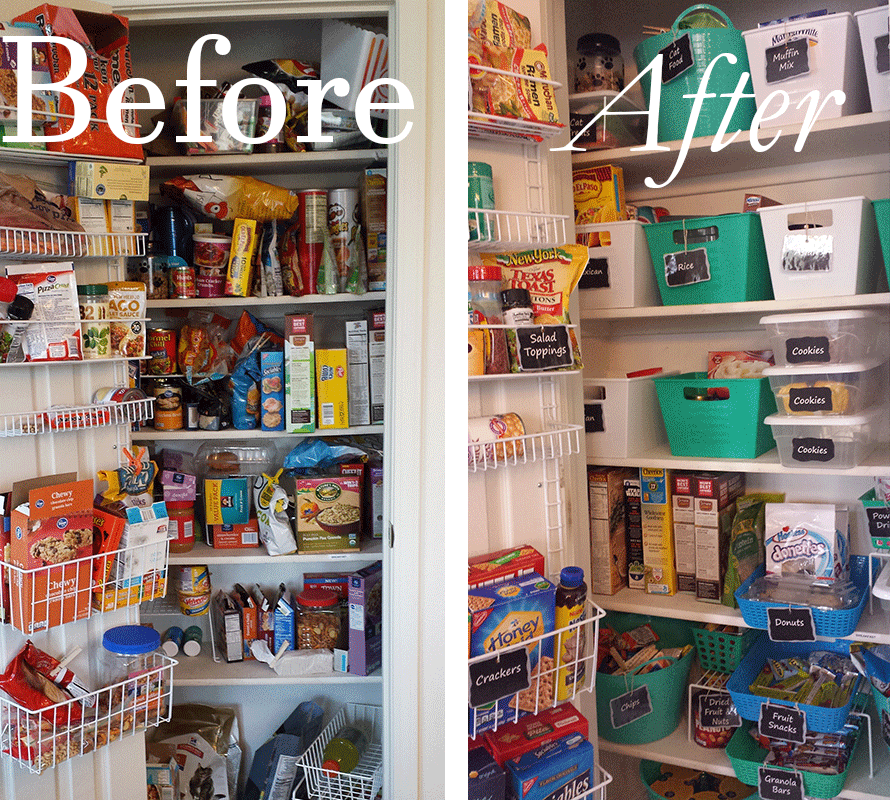
Put similar items together for easy access. Place canned goods in one area. Store snacks on another shelf. Group spices and baking supplies separately. This helps find items quickly when cooking. Use clear containers to see contents easily. Label them for extra clarity. Keep everything tidy and organized.
Choosing Storage Solutions
Organize your kitchen pantry by selecting storage solutions that maximize space and enhance accessibility. Utilize clear containers and labels for easy identification and efficient use. Arrange items by frequency of use, placing daily essentials at eye level for quick access.
Containers And Bins
Use clear containers for easy visibility. Label each container with names. Stackable bins save space and keep items organized. Choose airtight containers for dry goods. This keeps food fresh longer. Consider using bins with handles for easy access. These make it simple to pull out items quickly.
Shelving Options
Adjustable shelves fit different sized items. Consider wire shelves for better ventilation. This helps in keeping food fresh. Install sliding shelves for easy reach. Use corner shelves to maximize space. Place heavy items on lower shelves for safety. Use shelf dividers to separate different items.
Labeling For Efficiency
Labels help find things fast. Use sticky labelsfor jars. They are easy to place and remove. Chalk labelsare reusable. Write with chalk, then wipe off. Color-coded labelsmake sorting easy. Red for spices, blue for grains. Pre-printed labelssave time. Common items already written.
Put labels where kids can see. Place them on the front of jars. Use clear words that are easy to read. Make sure labels face outward. This helps in finding things fast. Organize similar items together. Place cans with cans, jars with jars. Keep labels neat and tidy. This makes the pantry look nice.
Creating A Maintenance Plan
Creating a maintenance plan for organizing your kitchen pantry involves sorting items by category and frequency of use. Regularly check for expired goods and rearrange shelves to keep everything accessible. A tidy pantry helps streamline meal prep and reduces clutter.
Regular Inventory Checks
Make a list of items in the pantry. Check this list often. Write down what needs restocking. Remove expired food from shelves. Keep track of food amounts. This helps avoid buying too much or too little.
Seasonal Clean-ups
Clear out pantry shelves each season. Dust and wipe surfaces to keep them clean. Look for damaged packages. Throw away stale food. Reorganize items based on seasonal needs. Keep things fresh and tidy.
Maximizing Space
Use shelves to stack items in the pantry. This helps save space. Tall containers fit well on these shelves. You can store grains, pasta, or cereals in them. Stackable bins are also a good idea. They let you see what’s inside. Use them for snacks or canned food. Place the heaviest items at the bottom. This makes it safe and easy to reach.
Hang hooks on the pantry doors. These can hold measuring cups or spoons. Magnetic strips on walls can store spice jars. This keeps them easy to grab. Use a pegboard on a wall. It can hold kitchen tools like scissors or peelers. Door racks are useful too. They can store bottles or small jars. This makes finding things quicker and easier.
Incorporating Technology
Pantry apps help keep track of what is inside. They can remind you of expiration dates. Many apps suggest recipes based on ingredients. Easy to use and very helpful. Some apps can sync with your shopping list. This saves time and reduces waste. You can even share lists with family members. This way everyone stays updated.
- Use clear bins to see contents easily.
- Label shelves and containers for quick identification.
- Install adjustable shelves for flexibility.
- Use stackable storage to maximize space.
- Store items in categories for easy access.
- Keep frequently used items at eye level.

Credit: food52.com
Sustainable Practices
Smart organization of your kitchen pantry can promote sustainable practices. Use glass jars and bins for bulk storage to reduce waste. Label everything clearly to minimize food spoilage and encourage efficient use of ingredients.
Eco-friendly Products
Choosing eco-friendly products helps the planet. Use reusable containers for storing food. Glass jars can keep grains fresh. Cloth bags are great for snacks. Avoid plastic and opt for biodegradable options. Bamboo utensils are another green choice. They are durable and safe.
Reducing Food Waste
Organize your pantry to reduce food waste. Label items with purchase dates. This helps track freshness. Keep older items in front. Use clear containers to see contents easily. Plan meals to use all ingredients. Donate excess food to local shelters. Compost scraps instead of trashing them.
Credit: medium.com
Frequently Asked Questions
How Do I Maximize Pantry Space?
Maximize pantry space by using clear containers for storage. Install adjustable shelves and use stackable bins. Utilize door racks for additional storage. Label everything for easy access. Incorporate lazy Susans for corner spaces. Consider hanging baskets for lightweight items. Regularly declutter to maintain organization and avoid overstocking.
What Pantry Items Should Be Stored Together?
Store similar items like baking goods, canned foods, and snacks together. Group spices and seasonings in one area. Keep grains and pasta near each other. Separate breakfast items like cereals and oats. This categorization helps in quickly locating items and maintaining a tidy pantry.
How Often Should I Clean My Pantry?
Clean your pantry every three to six months. Regular cleaning helps prevent expired food buildup. It also deters pests and maintains hygiene. Remove all items, wipe down shelves, and check for expired products. Reorganize items efficiently to keep the pantry tidy and functional.
What Containers Are Best For Pantry Storage?
Choose clear, airtight containers for pantry storage. These maintain food freshness and allow easy visibility. Stackable containers save space and enhance organization. Use glass jars for grains and pasta. Consider labeled bins for snacks and smaller items. Efficient containers help streamline your pantry’s appearance.
Conclusion
Organizing your kitchen pantry brings clarity and ease. Clean shelves make finding items simple. Label jars for quick access. Group similar items together. Use baskets for loose snacks. Rotate older food to the front. Keep a list of essentials. This saves time shopping.
Regularly check expiration dates. A tidy pantry is a happy pantry. It helps in meal planning too. Your kitchen feels more welcoming. Enjoy cooking without the clutter. Remember, a well-organized space boosts efficiency. Keep it neat and functional. Now, your pantry is ready to serve you better.