Are you ready to elevate your camping experience with delicious meals cooked right in the heart of nature? Packing the perfect camp kitchen can transform your outdoor adventure from a basic survival trip to a culinary delight.
Imagine waking up to the smell of freshly brewed coffee or ending your day with a hearty stew under the stars. Getting your camp kitchen right is the secret ingredient to make this happen. In this guide, you’ll discover the essential items you need, clever packing strategies, and hacks to save space and time.
Whether you’re a seasoned camper or a first-timer, you’ll find practical tips to make your camping meals easy and enjoyable. By the end, you’ll be equipped to pack a camp kitchen that meets your needs, ensuring you’re prepared for any meal you want to whip up. Get ready to unlock the secrets to delicious outdoor cooking and make your camping trip unforgettable.
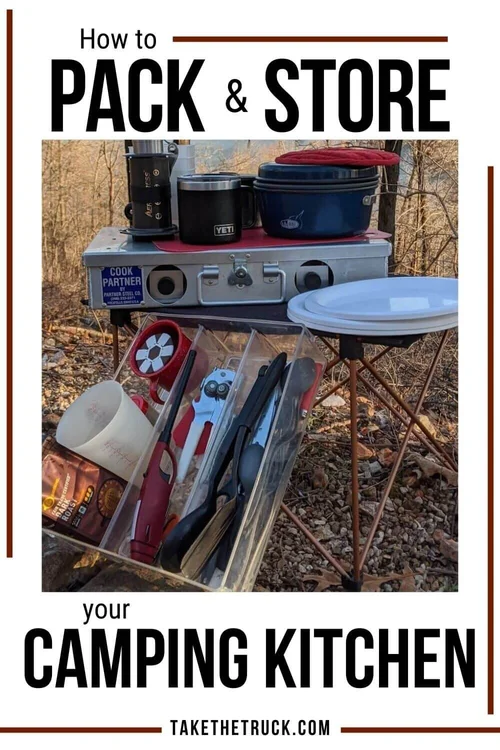
Credit: www.takethetruck.com
Choosing Essential Gear
Picking the right stove is key for camp cooking. Small stoves are easy to carry. Gas stoves are good for quick meals. Wood stoves work well if you have time. Choose one based on your cooking needs.
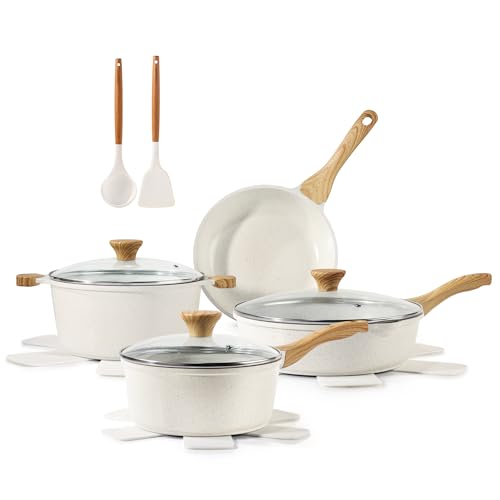
Lightweight pots and pans make cooking easier. Non-stick pans are great for simple cleaning. Consider collapsible cookware for saving space. Always pick durable items that last long.
Bring a set of basic utensils like spoons, forks, and knives. Compact tools such as a bottle opener can be helpful. A cutting board is useful for meal prep. Don’t forget a small whisk for mixing.
- Use airtight containers to keep food fresh.
- Sealable bags are great for snacks.
- Coolers keep drinks and perishables cold.
- Pack items in stackable containers for space-saving.
Organizing The Kitchen
Use stackable containers to save space. Foldable items are great too. Collapsible bowls and cups fit well in bags. Store small items inside larger ones. This saves space and keeps things tidy. Hang utensils on hooks or clips. It prevents clutter on surfaces.
Pack heavy items at the bottom. Keep lighter things on top. Separate food from tools. This makes it easy to find items. Use clear bags to see contents quickly. Wrap fragile items in soft cloths. It avoids breaking during transport.
Use labels on containers. Write names of items inside. This helps to find things fast. Keep an inventory list. Know what you have packed. Check items before leaving. It prevents forgetting important things.
Food And Meal Planning
Organize your camp kitchen efficiently by using lightweight, stackable containers. Opt for multi-purpose utensils to save space and reduce clutter. Prioritize airtight bags for preserving food freshness and minimizing waste.
Menu Creation
Choose meals that are easy to cook. Think about cooking time and equipment. Pick foods that your family loves. Include breakfast, lunch, and dinner options. Add snacks for energy. Write down each meal on paper. This helps you remember.
Prepping Ingredients
Wash and chop veggies at home. Measure spices and put them in small bags. Pre-cook some foods like rice or pasta. This saves time at the campsite. Store ingredients in clear containers. Label each container for easy finding.
Packing Perishable Items
Use a cooler for foods that spoil. Add ice packs or frozen bottles. Keep meats and dairy separate. Check the cooler often to make sure it stays cold. Don’t open the cooler too much. This keeps the cold inside.
Safety And Hygiene
Ensure clean utensils to prevent contamination. Store perishables in a cooler to keep them fresh. Use airtight containers for dry goods, avoiding pests and moisture.
Proper Food Storage
Keep food fresh and safe. Use airtight containers. Store perishables in a cooler. Maintain temperature below 40°F. Separate raw and cooked foods. Avoid cross-contamination.
Cleaning Supplies
Pack essential cleaning items. Bring biodegradable soap. Include a sponge and towel. Use sanitizing wipes for quick clean-ups. Keep everything neat and tidy.
Waste Management
Dispose of waste properly. Use trash bags for garbage. Separate recyclables if possible. Do not leave food scraps behind. Protect nature and wildlife.
Weather Considerations
Warm clothes keep you cozy in the cold. Wear layers to stay warm. Wool socks and gloves protect your hands and feet. Bring a hat to cover your head. Use a sleeping bag for chilly nights. Pack extra blankets just in case. Keep food and drinks from freezing. Use insulated containers to store them.
Rain can make camping hard. Pack waterproof gear to stay dry. Use a tarp over your tent. This keeps rain out. Put a mat at the tent’s entrance. It stops mud from coming in. Seal food in plastic bags. This keeps it from getting wet. Always carry a rain jacket.
Sunny days need special care. A hat shades your face and neck. Drink lots of water to stay hydrated. Use sunscreen to protect your skin. Take breaks in the shade. Keep food in coolers with ice. Store perishables properly to avoid spoilage.
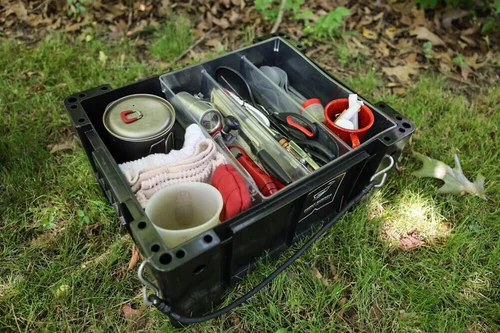
Credit: www.takethetruck.com
Tips For Efficient Setup
Organize kitchen gear in clear bins for easy access. Pack essentials like pots, pans, and utensils first. Keep food items separate in labeled containers for quick retrieval.
Quick Assembly Tricks
Use a portable tablefor a quick setup. Keep all essential tools in one grab-and-go bag. Place frequently used items on top for easy access. Use color-coded bags to find things fast. Roll utensilsin a cloth for easy storage.
Organizational Hacks
Label containers with big letters. Use stackable boxes to save space. Hang pots on hooks for easy reach. Store similar items together. Keep spices in small bottles to save room. Use a checklist to remember everything.
Time-saving Tips
Pre-chop veggies at home. Prepare sauces in advance. Use reusable plates to reduce trash. Keep a multi-toolhandy for quick fixes. Choose meals with few ingredientsto cook fast.

Credit: www.youtube.com
Frequently Asked Questions
What Essentials Are Needed For A Camp Kitchen?
A camp kitchen needs essentials like a portable stove, pots, pans, and utensils. Don’t forget a cooler for perishables and a water filter. Consider including a cutting board, biodegradable soap, and a scrubber. Ensure to pack lightweight, durable items for easy transportation and efficient cooking in the wild.
How Do I Organize Camp Kitchen Gear?
Organize camp kitchen gear by using clear, stackable bins or bags. Label each container for easy access to items. Prioritize frequently used items on top. Keep sharp objects sheathed and pack heavier items at the bottom. Maintain cleanliness by separating clean and dirty items.
This system enhances efficiency and safety.
How Do I Pack Food For Camping Trips?
Pack food in resealable bags or lightweight containers to minimize waste. Choose non-perishable, high-energy foods like nuts, dried fruits, and jerky. Pre-portion meals for convenience and keep perishables in a cooler. Ensure to pack a balanced diet, considering dietary needs, to fuel your outdoor adventures efficiently.
What Is The Best Way To Clean Camp Cookware?
The best way to clean camp cookware is by using biodegradable soap. Scrub with a sponge or brush and rinse thoroughly with clean water. Dispose of waste water 200 feet away from any water source. This method ensures hygiene while respecting the natural environment, enhancing your camping experience.
Conclusion
Packing a camp kitchen takes planning and care. Start with essentials. Bring lightweight cookware. Choose compact utensils. Keep food fresh with coolers. Organize items in clear containers. Use a checklist to avoid forgetting items. Clean as you go to maintain hygiene.
Prioritize safety with fire extinguishers and first-aid kits. A well-packed kitchen enhances your camping experience. Enjoy cooking outdoors with ease. Remember, simplicity is key. Happy camping!